
The modern electric vehicle landscape demands robust infrastructure. Consequently, the 320kw EV charging station is emerging as a critical solution. It directly addresses the need for extreme speed and high throughput. Therefore, it represents a truly future-proof investment for busy locations.
Meeting the Demand for Speed
Drivers today value their time immensely. Traditional chargers often cause frustrating delays. However, the 320kw EV charging station drastically reduces charging times. For instance, it can add hundreds of kilometers of range in minutes. This speed is essential for highway rest stops and busy urban hubs. Furthermore, it significantly improves customer turnover and satisfaction. Ultimately, faster charging means more vehicles served daily.
Scalability for Growing EV Fleets
The global EV fleet is expanding rapidly. Moreover, new models consistently feature larger batteries. Therefore, charging hubs must prepare for this increased demand. The 320kw EV charging station offers superior power and compatibility. It supports various plug standards likeGB/T, CCS2, CCS1, NACS and CHAdeMO. Additionally, its high-power capacity handles multiple vehicles simultaneously. This scalability ensures long-term operational viability.
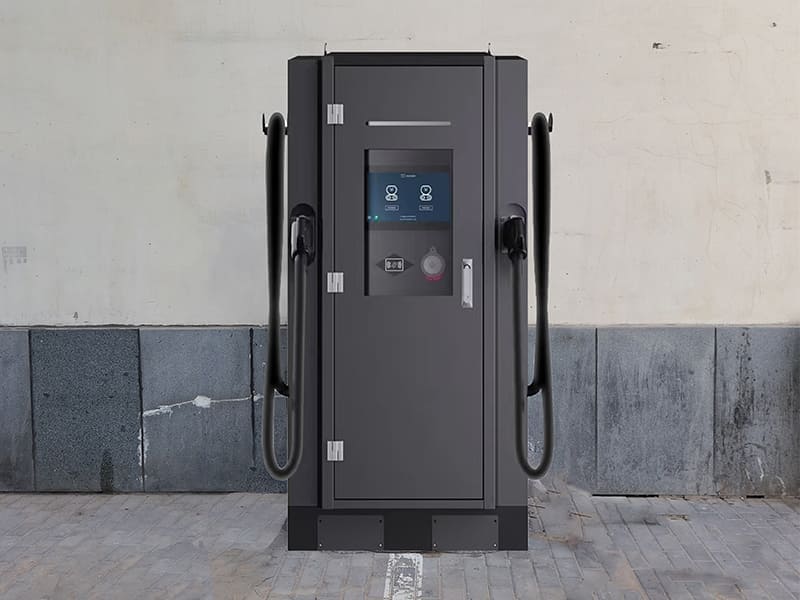
Aegen’s Comprehensive Charging Solutions
Aegen is a leading manufacturer in this sector. The company provides complete charging stations and components. Furthermore, Aegen offers free technical support and customization services. It collaborates with distributors, assemblers, and installers worldwide. Aegen’s products, including the robust 320kw EV charging station, are deployed across continents. They have received high praise from clients. Aegen also produces EV charging testers for industry partners.
Versatile Commercial Applications
Commercial EV stations serve diverse settings. For example, they are vital for supermarket and office parking lots. Similarly, they are crucial for highway service areas and public car parks. Other key locations include residential complexes and hospital grounds. Furthermore, school perimeters and shopping malls benefit greatly. Large fleets also rely on these powerful stations.
High-Power DC Charging for Commerce
Commercial DC EV charging stations offer immense power. They come in various output levels. These include 20-40kw, 60-120kw, and 120-240kw models. The most powerful 320kw EV charging station is ideal for busy hubs. It supports multiple connector types like CCS1, CCS2, GB/T, and NACS. Configurations include dual, triple, or even four-gun setups. Additionally, split-type designs provide installation flexibility.
Supporting Slower Charging Scenarios
AC EV chargers serve different needs. They are perfect for garages and residential areas. Consequently, they suit locations allowing for longer parking durations. These chargers feature Type 1, Type 2, and GB/T plugs. They are available as single or dual-gun units. Common power levels include 7kw, 11kw, and 22kw.
Innovative Solar-Powered Stations
Solar-storage charging stations are a smart innovation. They are ideal for large parking facilities. Specifically, they excel in areas with high electricity costs. They also work well in regions with underdeveloped grids. The system collects solar energy. Then, it stores the power in large batteries. Finally, it releases the energy to the charging points. This process significantly reduces operational expenses.
Reliable Home Charging Options
Home charging provides essential convenience. DC fast EV Home chargers like 20kw/30kw models offer quick boosts. They feature simple one-button start operation. They are also known for their competitive pricing. Conversely, AC wallbox EV chargers (7kw/11kw/22kw) are common. However, they require longer charging periods. Portable EV chargers (3.5kw/7kw/11kw) offer ultimate flexibility. Drivers can keep them in the car for emergencies. How many vehicles can 240kw EV charging station serve daily?
Conclusion: A Strategic Long-Term Asset
In conclusion, the 320kw EV charging station is a strategic asset. It directly meets the core challenges of speed and volume. Therefore, it maximizes revenue potential for operators. It also builds driver loyalty and trust. Ultimately, investing in this technology secures a competitive advantage. The future of EV mobility is undeniably high-power.