
The landscape of electric vehicle technology is rapidly evolving. Consequently, businesses and homeowners seek more robust solutions. Therefore, understanding the key features of a commercial-grade V2H EV charging station is crucial. This knowledge ensures a wise investment for the future.
Understanding V2H Technology
First, Vehicle-to-Home (V2H) technology represents a significant advancement. Unlike simple charging, a V2H EV charging station allows bidirectional energy flow. Essentially, your electric vehicle becomes a mobile power bank. For instance, it can power a building during an outage. Furthermore, it can store excess solar energy for later use.
Robust Power Capacity and Output
A primary consideration is power capacity. Commercial settings demand high power output. Look for stations offering at least 19.2 kW AC. This ensures faster charging and discharging cycles. Moreover, higher power supports more electrical appliances. So, always verify the station’s kilowatt rating before purchasing. How Can a V2G EV Charging Station Provide Grid Stability and Generate Revenue?
Advanced Bi-Directional Inverter
The heart of any system is the bi-directional inverter. This component converts DC battery power to AC. Simultaneously, it manages the reverse flow. Therefore, its efficiency and durability are paramount. A high-quality inverter ensures minimal energy loss. Additionally, it protects the vehicle’s battery from damage.
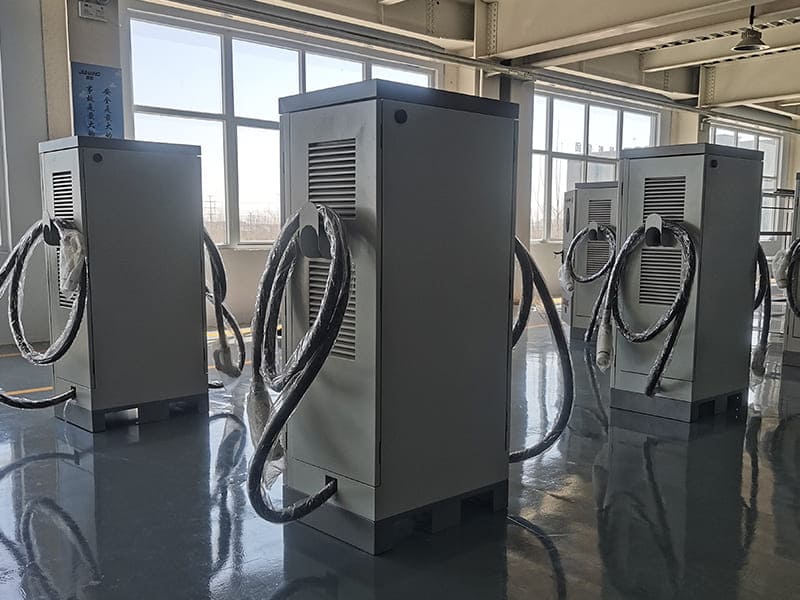
Comprehensive Safety Certifications
Safety must never be compromised. A commercial-grade V2H Electric Vehicle charging station requires stringent certifications. Look for marks like UL 9741 or equivalent regional standards. These certifications guarantee rigorous testing. Furthermore, they ensure compliance with national electrical codes.
Seamless Grid Integration and Anti-Islanding
Grid integration is a complex feature. The station must synchronize perfectly with the local grid. Importantly, it must include anti-islanding protection. This feature automatically disconnects during grid maintenance. Thus, it protects utility workers from electrocution risks.
Intelligent Energy Management Software
Software controls the entire V2H ecosystem. An effective energy management system is vital. It should allow for customizable charging and discharging schedules. For example, you can program it to use stored power during peak tariff hours. Consequently, this leads to significant cost savings.
Durable Hardware and Build Quality
Commercial equipment faces constant use. So, build quality must be exceptional. The housing should be dust-tight and water-resistant. Look for an IP56 rating or higher. This ensures reliability in various weather conditions. Moreover, robust construction minimizes long-term maintenance costs.
Compatibility with EVs and Solar Systems
Compatibility is a key hurdle. Ensure the V2H EV charging station works with your specific electric vehicle model. Not all EVs currently support bidirectional charging. Furthermore, verify its integration capabilities with existing solar inverters and home battery systems.
Scalability for Future Expansion
Your energy needs will likely grow. Therefore, the charging station should be scalable. Some systems allow for power stacking with multiple units. This approach can increase total available power. So, consider your future requirements during selection.
Reliable Warranty and Manufacturer Support
A strong warranty reflects manufacturer confidence. Seek a comprehensive warranty covering at least five years. Additionally, reliable technical support is essential for troubleshooting. This ensures minimal operational downtime for your business.
Aegen: Your Partner in V2H Solutions
Aegen is a leading producer of EV charging stations. They provide complete charging units and individual components. Furthermore, Aegen offers complimentary technical support services. They also specialize in customized solutions for unique client needs.
The company collaborates with numerous EV charger distributors. They also partner with assembly firms and installation companies. Aegen’s V2H EV charging station products are sold globally. Their reach extends across Central Asia, the Middle East, and Europe. They also serve markets in South America. These installations are successfully operational. They have received high praise from their clients.
Additionally, Aegen manufactures essential diagnostic tools. They produce the EV charger tester for installers and assemblers. This testing equipment verifies effective communication with the vehicle. It ensures that every V2H EV charging station functions correctly and safely before use.
Conclusion
In conclusion, selecting a commercial-grade V2H EV charging station requires careful analysis. Prioritize power capacity, safety, and software intelligence. Also, consider hardware durability and manufacturer support. Therefore, partnering with an experienced provider like Aegen is a strategic decision. Ultimately, this ensures a resilient and cost-effective energy solution.