
Understanding the relationship between EV charging station and price is crucial. This analysis explores cost components. We will examine their direct impact on dealer profitability. Aegen provides insights from a manufacturer’s perspective. We specialize in complete charging solutions. Our core expertise drives this discussion.
Understanding The Total Cost Structure
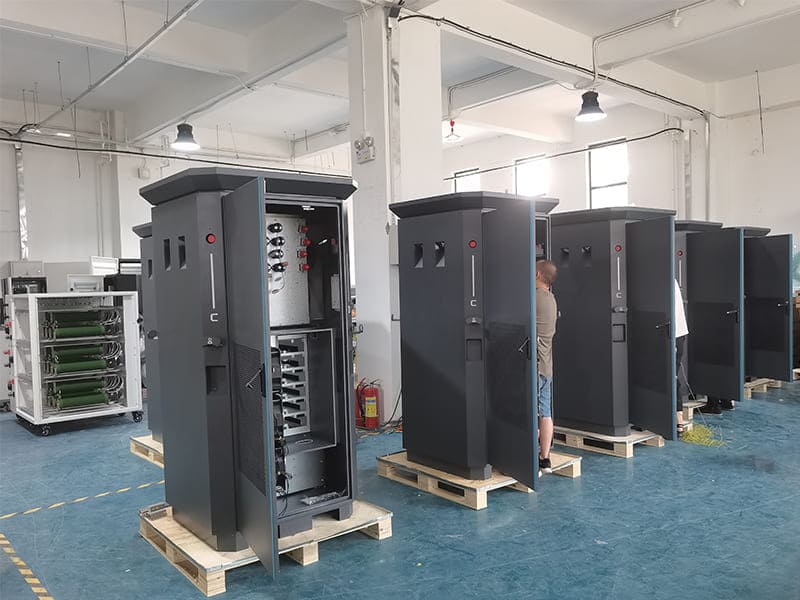
Firstly, the hardware cost forms a significant portion. This includes the charging unit itself. Components like the CCU are critical. Aegen self-develops this core control unit. Many market units originate from our production. Other parts include power modules and cables. These collectively define the base EV charging station and price.
Secondly, software and connectivity add to expenses. Network management platforms require investment. Subsequently, ongoing subscription fees apply. These are essential for smart station functionality. Therefore, they influence the final station price.
Thirdly, installation constitutes a major cost variable. Site preparation and electrical work are expensive. Consequently, labor costs can fluctuate widely. Permitting and inspection fees also contribute. Thus, installation complexity alters the final project Electric Vehicle charging station and price.
Direct Impact On Dealer Margin Calculations
Dealer purchase price is the primary margin factor. Obviously, a lower wholesale cost improves margin potential. However, product quality must remain high. Aegen balances cost with reliable performance. We offer competitive wholesale pricing strategically.
Furthermore, shipping and logistics costs matter. These expenses reduce dealer profit if not managed. Fortunately, Aegen’s global supply chain optimizes this. We serve regions from Europe to South America efficiently.
Additionally, inventory financing costs can erode margins. Therefore, efficient inventory turnover is essential. Dealers must align stock with market demand quickly. Otherwise, holding costs accumulate silently.
The Role Of Added Services And Support
Technical support directly affects dealer operational costs. For instance, free support from Aegen reduces dealer expense. This service enhances the overall value proposition. Meanwhile, it protects dealer margins effectively.
Customization services also create margin opportunities. Specifically, tailored solutions allow for premium pricing. Aegen provides such custom services flexibly. Consequently, dealers can address niche market demands profitably.
Moreover, providing test equipment supports dealer clients. Aegen produces EV charger testers for this purpose. These devices ensure reliable installation and communication. Thus, they prevent costly future service issues.
Market Competition And Pricing Pressure
Market competition constantly pressures retail pricing. As a result, dealers face squeezed margins frequently. Understanding the complete EV charging station and price breakdown is vital. It allows for smarter product selection and sourcing.
Consumer sensitivity to final price is high. Therefore, dealers must communicate value clearly. Highlighting quality components like Aegen’s CCU helps. It justifies a potentially higher retail EV charging station and price.
Conversely, competing on price alone is risky. It often leads to inferior product offerings. Ultimately, this damages dealer reputation and long-term profit.
Strategic Partnerships For Margin Protection
Partnering with reliable manufacturers is key. Aegen collaborates with dealers and installers globally. These partnerships streamline the supply chain. Hence, they reduce intermediate costs and protect margins.
Collaborating with assembly firms is also beneficial. It localizes final product preparation. Therefore, it can lower logistics costs significantly. Aegen supports such cooperative business models actively.
Furthermore, offering comprehensive packages boosts margins. Bundling hardware with installation services helps. It creates a higher-value sale for the dealer. Importantly, it simplifies the Electric Vehicle charging station and price for the end-customer.
Component Cost: The Core Of The Equation
The charging control unit (CCU) is the core component. Aegen’s in-house development controls this cost. For DC stations, OCU, SECC, and PCU are also key. AC charger costs involve controllers and RCCBs. These parts define the fundamental EV charging station and price.
Sourcing quality components is non-negotiable. Compromising here risks performance and safety. Aegen uses premium materials consistently. So, dealer return rates remain impressively low.
Volume purchasing power helps cost management. Large manufacturers like Aegen achieve this. We then pass savings to our dealer partners. This practice supports healthier margin structures directly.
Installation: A Variable Cost Frontier
Installation cost is highly site-dependent. Commercial sites often need extensive electrical upgrades. Conversely, residential installations are typically simpler. Dealers must estimate these costs accurately.
Otherwise, unexpected expenses destroy project profitability. Partnering with expert installers is therefore crucial. Aegen can recommend certified installation partners readily.
Providing clear site assessment guidelines helps. It prepares the customer for realistic cost expectations. Thus, it minimizes post-quote surprises and conflicts. Transparent EV charging station and price quoting builds trust.
The Value Of Reliability And Reduced Warranty Costs
Product reliability indirectly protects dealer margins. Fewer warranty claims mean lower service costs. Aegen’s stations are known for high reliability. Our client recognition across continents proves this.
Using our dedicated charger testers ensures proper installation. Correct installation prevents early-life failures. Therefore, it safeguards dealer profit from erosion.
High-quality products also enhance brand reputation. Satisfied customers lead to repeat business and referrals. So, investing in a reliable EV charging station and price point pays off.
Future Trends: Cost Evolution And Margin Outlook
Technology advancements may lower hardware costs gradually. However, software and service value will likely rise. Dealers should prepare for this shifting EV charging station and price composition.
Furthermore, energy management features are becoming valuable. Stations with load balancing command higher prices. This trend presents new margin opportunities for alert dealers.
Government incentives can affect net pricing too. They may temporarily boost dealer sales volumes. But, long-term strategy must not rely on subsidies solely.
Conclusion: Navigating The Price-Margin Landscape
In summary, the EV charging station and price breakdown is multifaceted. Hardware, software, and installation costs interact complexly. Each element directly influences dealer margin potential. What is the difference between EV charger vs EV charging station?
Strategic sourcing from manufacturers like Aegen is essential. Our control over core components like the CCU ensures quality. Our competitive pricing supports dealer profitability consistently.
Ultimately, dealers must look beyond mere purchase price. They must consider total lifecycle cost and value. Building a reputation for reliable solutions is paramount. Then, healthy margins will follow sustainably.