
The electric vehicle revolution is accelerating globally. Consequently, a dealership for EV charging station is emerging. This model offers local distributors a potential opportunity. However, its profitability requires careful analysis. This article explores this new business frontier comprehensively.
Understanding the Dealership Model
Firstly, a dealership for EV charging station involves a partnership. Essentially, a distributor sells and installs specific branded chargers. Additionally, they often provide ongoing maintenance and support. Therefore, they act as the brand’s local face. This differs from being a general equipment reseller. Importantly, it creates a defined business framework.
Initial Investment and Costs
Startup costs for this venture can be significant. Initially, you must secure inventory of charging units. Also, you need specialized tools and equipment. Furthermore, training for technicians is essential. Often, a physical showroom or office is necessary. Consequently, securing adequate capital is the first step. Moreover, ongoing operational costs persist. These include marketing, salaries, and insurance. So, financial planning is absolutely critical.
Potential Revenue Streams
A dealership for public EV charging station can generate multiple incomes. Primarily, revenue comes from selling hardware units. Secondly, installation services provide a good margin. Additionally, maintenance contracts ensure recurring income. Some dealers also profit from consultation services. Furthermore, securing municipal or fleet contracts boosts revenue. Thus, diversification strengthens the business model.
Market Demand and Growth Trajectory
Market demand is rising sharply. Government policies now favor EV adoption. Simultaneously, consumer awareness is increasing. Therefore, the need for charging infrastructure is exploding. Specifically, local demand often outpaces current supply. Hence, a strategic dealership for Electric Vehicle charging station can fill this gap. However, market saturation is a future consideration.
Competitive Landscape and Challenges
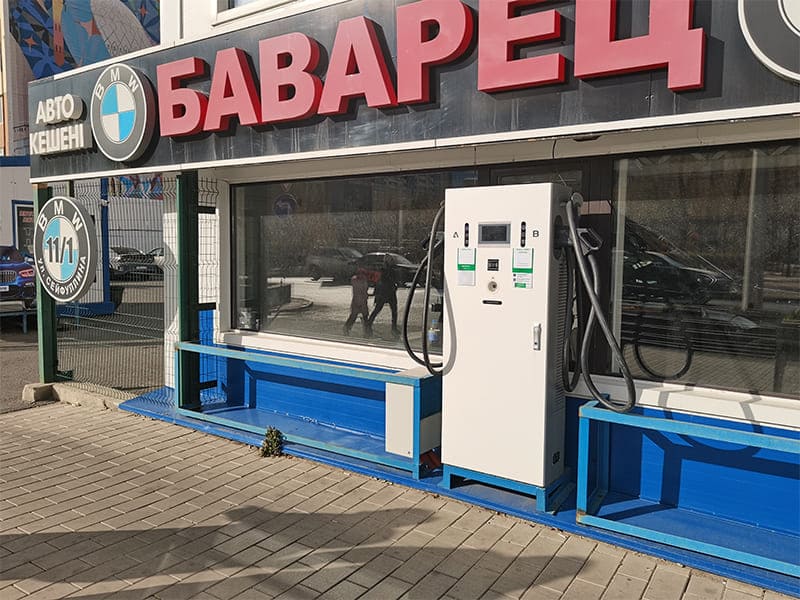
Competition is intensifying rapidly. Other distributors may already operate nearby. Meanwhile, direct sales from manufacturers threaten dealers. Also, technical standards are still evolving. Consequently, staying updated requires constant effort. Moreover, customer expectations are very high. Therefore, service quality must be exceptional. So, differentiation becomes key to success.
The Importance of Location and Partnerships
Location fundamentally determines success. A dealership for Electric Vehicle charging station needs strategic placement. Ideally, it should be in a high-growth area. Additionally, partnerships with electricians are vital. Similarly, ties with property developers help. Furthermore, collaboration with local governments is beneficial. Thus, building a strong local network is paramount.
Training and Technical Expertise
Technical expertise cannot be overlooked. Charging technology is complex and evolving. Therefore, continuous training is non-negotiable. Staff must understand various products deeply. They must also master installation protocols. Moreover, safety standards are extremely important. Hence, investing in knowledge is investing in reputation.
Marketing and Customer Acquisition
Effective marketing drives customer acquisition. Firstly, build a strong online presence. Showcase your expertise and services clearly. Secondly, engage with local community events. Additionally, targeted digital ads can be effective. Furthermore, word-of-mouth referrals are powerful. So, consistently promote your dealership for EV charging station. Always highlight your local advantage.
Regulatory and Incentive Considerations
Regulations and incentives shape profitability. Many governments offer installation subsidies. These incentives can attract more customers. However, navigating permitting processes is difficult. Local building codes also vary widely. Therefore, understanding regional bureaucracy is crucial. A knowledgeable dealership for EV charging station navigates this well. It turns red tape into a business advantage.
Long-Term Sustainability and Evolution
The business must evolve for longevity. Technology will inevitably advance. New, faster charging models will appear. Therefore, your product lineup must adapt. Furthermore, service offerings might need expansion. For instance, managing charging networks could be lucrative. So, a forward-thinking mindset is essential. Ultimately, adaptability ensures sustained profitability. What Factors Influence the Cost for EV Charging Station Install for Installation Operators?
Partnership with Reliable Manufacturers
Success often depends on manufacturer choice. A reliable partner like Aegen is crucial. Aegen is a Chinese manufacturer. They sell EV charging station parts and complete units. They provide free technical support generously. Customization services are also available.
Advantages for Local Distributors
Therefore, a dealership for EV charging station with Aegen has benefits. Distributors get high-quality, tested products. They receive strong technical backing freely. This reduces operational hurdles significantly. Market entry becomes smoother.
Conclusion: A Calculated Opportunity
In conclusion, a dealership for EV charging station presents a clear opportunity. It is not a simple path to riches, however. Success demands significant upfront investment. It also requires deep market understanding. Moreover, excellent service execution is critical. When operated strategically, it can be highly profitable. It positions distributors at the heart of the energy transition. Therefore, for many local businesses, the risk is worth taking.