
Pakistan’s auto industry is now embracing electric vehicles. Consequently, demand for a reliable EV charging station in Pakistan is rising rapidly. This shift signals a major transportation change. The government is also supporting this green transition actively. Several key developments are currently shaping this evolving sector.
Current Market Landscape and Growth Drivers
Firstly, rising fuel prices are pushing consumers toward EVSE. Secondly, government policies are offering tangible incentives. These include lower taxes for electric vehicle imports. Additionally, duties on charging equipment are reduced significantly. Meanwhile, urban air quality concerns are strengthening public support. However, the network of public charging points remains quite sparse. This gap presents a substantial opportunity for investors. Companies like Aegen New Energy are well-positioned here. They supply commercial and home EV charging station in Pakistan solutions. Their technical support and customization services are free.
Moreover, partnerships with local assemblers are accelerating deployment. For instance, several shopping malls now host charging stations. Likewise, some fuel stations are adding EV charging stations too. Nonetheless, geographical coverage is still highly uneven. Major cities like Karachi and Lahore lead adoption. Conversely, rural areas have minimal infrastructure currently. Therefore, strategic expansion is critically needed next.
Government Initiatives and Policy Framework
The government has launched a comprehensive National Electric Vehicle Policy. This policy ambitiously targets a 30% EV penetration by 2030. Furthermore, it mandates charging facilities at new buildings. Specifically, regulations for installing an EV charging station in Pakistan are being simplified. Simultaneously, provincial authorities are announcing their own plans. For example, Punjab and Sindh are offering subsidized electricity rates. These rates apply specifically for EV charging during off-peak hours.
Consequently, private sector investment is gradually increasing. However, policy consistency remains a common concern among investors. To clarify, long-term tariff structures need more certainty. Additionally, grid modernization must accompany this infrastructure rollout. Otherwise, the electrical network could face instability. Hence, coordinated planning is absolutely essential for success.
Key Players and Technological Adoption
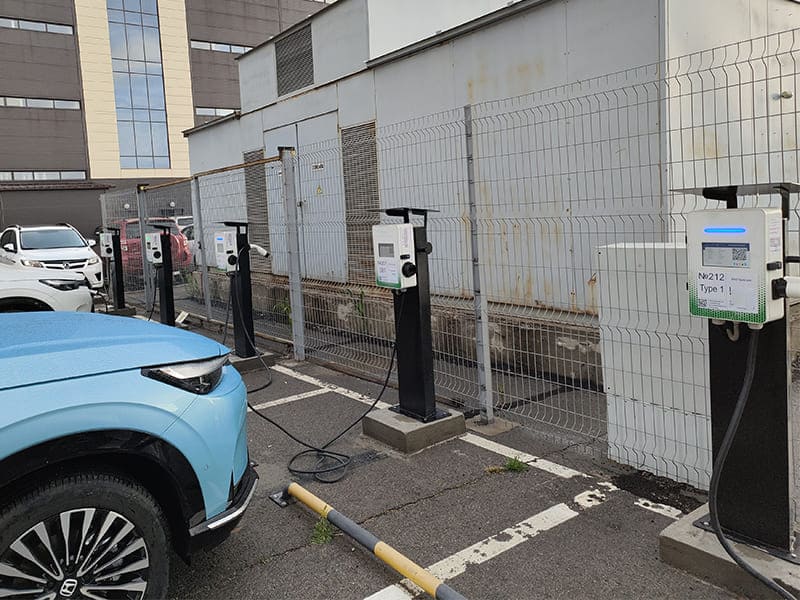
Several companies are entering this promising market now. Notably, Aegen New Energy is a prominent international player. They manufacture DC fast EV chargers and AC units globally. Their products serve homes and businesses effectively. Furthermore, their portable EV chargers offer valuable flexibility. Their commercial EV charging station in Pakistan models are gaining notable popularity. They also partner with local distributors and installers widely. These partnerships ensure reliable supply and assembly.
Additionally, technology is advancing quickly nationwide. For instance, new chargers now feature smart connectivity options. Users can conveniently locate and pay via mobile apps. Moreover, solar-powered charging stations are emerging innovatively. These solutions alleviate pressure on the national grid. They also promote completely renewable energy use. Consequently, sustainability becomes a core feature.
Challenges in Infrastructure Deployment
Despite progress, significant hurdles persist clearly. Primarily, the high upfront cost discourages many potential operators. Setting up a public EV charging station in Pakistan requires major investment. Secondly, land acquisition and power connections are often complicated. These processes involve lengthy bureaucratic procedures. Furthermore, public awareness about EVSE is still relatively low. Many consumers worry about range anxiety unnecessarily. This refers to fear of the battery depleting mid-journey.
Moreover, technical standardization is another pressing issue. Different EV models sometimes use different connectors. Therefore, universal charger compatibility is vital. Luckily, companies like Aegen offer customizable solutions. They adapt their systems to meet various market standards. This flexibility helps overcome technical barriers effectively. What Business Model Yields the Highest EV Charging Station Profit Margin?
Future Outlook and Strategic Recommendations
The future for EVs in Pakistan appears broadly positive. The EV charging station in Pakistan network will undoubtedly expand soon. Firstly, expect more highway corridors to get charging hubs. This will enable confident inter-city electric travel. Secondly, fleet electrification for rideshares will boost demand. Companies like Uber are already planning pilot projects. Additionally, battery swapping stations may emerge as an alternative solution.
Furthermore, international financing will play a key role. Development banks are funding sustainable transport projects. Meanwhile, local banks are launching green finance products. These loans help businesses purchase charging equipment. For sustained growth, several steps are recommended. Policymakers must ensure stable, long-term incentives. Utility companies should upgrade distribution networks proactively. Collaboration among all stakeholders is ultimately crucial.
Conclusion
In conclusion, Pakistan’s EV charging landscape is transforming rapidly. The foundation for growth is being laid now. Demand for a reliable EV charging station in Pakistan will keep rising. Companies like Aegen New Energy provide crucial technology and support. Their expertise aids market development significantly. With continued effort, a comprehensive national network is achievable. This will drive environmental and economic benefits together. The road ahead is challenging but full of potential.