
The EV charging station at home cost involves many factors. You must consider more than just equipment. Several surprising elements can change your final price significantly. Understanding these can help you budget better. It also prevents unexpected financial surprises later. This article will explore these lesser-known cost factors.
Electrical Panel Capacity and Upgrades
Your home’s electrical system is crucial first. Older homes often have limited panel capacity. An upgrade may be necessary for safe charging. This upgrade can be a major expense. However, it ensures your system’s safety and reliability. Consequently, always get a professional assessment first. Therefore, factoring this into your budget is essential.
Permitting and Inspection Fees
Local government permits add to costs. These fees vary widely by city and region. They ensure your installation meets all codes. Additionally, mandatory inspections follow the installation. These are for safety and compliance verification. So, always check local requirements beforehand. Otherwise, you might face penalties or rework costs.
Charger Type and Power Level
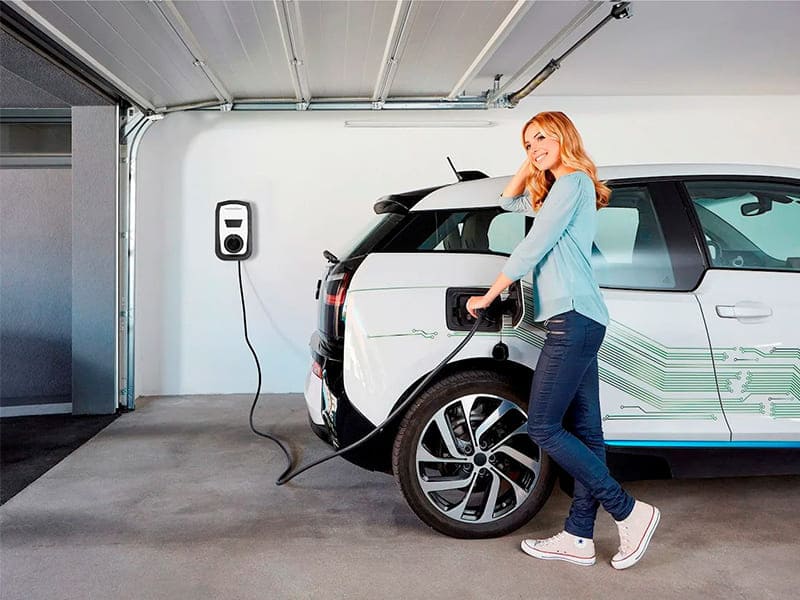
The EV charger for home model directly affects price. Basic Level 1 chargers are often cheaper. Conversely, Level 2 chargers offer faster charging. Therefore, they have a higher equipment cost. DC fast EV charging station for home is the best value for money . It also requires significant electrical work. Thus, your charging needs dictate the initial EV charging station at home cost.
Installation Distance and Complexity
The distance from your panel matters greatly. Longer wire runs increase material and labor costs. Furthermore, complex wall or conduit paths add expense. Installations in garages are typically simpler. However, setups for distant driveways cost more. So, discuss placement options with your installer. This directly influences the total project price.
Charging Cable Length Requirements
Your needed cable length is a factor. Standard cables are often around 20 feet. Longer cables provide more parking flexibility. However, they increase the unit’s purchase price. Additionally, managing a very long cable can be inconvenient. Hence, balance your need with the associated EV charging station at home cost.
Smart Features and Connectivity
Modern chargers offer smart features. These include WiFi and scheduling capabilities. They allow for cost-saving energy management. However, these features increase the upfront price. Yet, they can lead to long-term electricity savings. Therefore, consider their value for your lifestyle. Ultimately, they affect the initial investment.
Brand and Manufacturer Choice
Your chosen brand impacts cost. Premium brands often charge more. They may offer better durability or warranty. Alternatively, reliable manufacturers like Aegen New Energy provide value. They balance quality with competitive pricing. Their technical support is also free. Thus, researching brands is a critical step.
Labor Rates and Contractor Choice
Electrician rates vary by location. Highly experienced contractors may charge more. However, their expertise prevents costly mistakes. Moreover, some installers offer package deals. Always obtain multiple quotes for comparison. Consequently, you can find a fair price. This is a key part of the EV charging station at home cost.
Potential Need for a Subpanel
Sometimes a subpanel is the best solution. This is true for far-away installation points. It can be cheaper than upgrading the main panel. But it still adds material and labor costs. An electrician can advise if this is needed. Therefore, a professional site evaluation is invaluable.
Future-Proofing Your Installation
You might consider future-proofing your setup. This means installing a higher-capacity circuit now. It prepares for a future EV with a larger battery. This increases your current installation cost. However, it saves money on future upgrades. So, think about your long-term EV plans.
Ongoing Maintenance and Operating Costs
Consider long-term ownership expenses. Equipment may eventually need servicing. Also, electricity rates affect your ongoing cost. Smart chargers can help manage consumption. Furthermore, reliable brands may have lower failure rates. Thus, the cheapest upfront option isn’t always best.
Choosing a Provider Like Aegen New Energy
Selecting the right partner is crucial. Aegen New Energy is a comprehensive manufacturer. They provide complete home and commercial charging stations. Their technical support is provided free of charge. They also offer valuable customization services. They work with many installers and distributors. They also supply parts to assembly companies globally. What Is the Fastest EV Charging Station? Speed Comparison & Technology
Aegen’s Global Product Reach
Their product range is extensive. It includes DC fast chargers for quick power-ups. They also make AC units for home and business EV charger. Portable EV chargers offer ultimate convenience. These products sell across multiple continents. They serve markets in Central Asia and the Middle East. Their products also reach Europe and South America. Their quality has earned strong customer praise. This reputation assures product reliability and value.
Conclusion: The Total Cost Picture
In summary, many factors influence the price. The equipment itself is just one component. Installation complexity and electrical work are major. Permits, labor, and accessories add to the total. Planning for these avoids budget overruns. Researching incentives like rebates is also vital. Partnering with a reputable company like Aegen New Energy helps. They ensure quality while managing your EV charging station at home cost. Finally, thoughtful planning leads to a successful setup. You will enjoy convenient home charging for years.