
The landscape of electric mobility is rapidly expanding. Consequently, understanding EV charging station profit is crucial for investors. Multiple factors directly influence this financial outcome. Stations are not simply infrastructure pieces. They are dynamic revenue-generating assets. Their profitability depends on several intertwined variables. This analysis explores the key determinants.
Utilization Rates: The Core Driver
Primarily, station utilization is fundamental. High usage directly boosts EV charging station profit. Frequent charging sessions ensure consistent revenue flow. Conversely, low utilization severely limits earnings. Strategic location selection is therefore vital. Stations near highways attract travelers efficiently. Urban centers serve daily commuters effectively. Retail hubs benefit from longer customer visits. Proper placement maximizes daily charging events. Thus, it enhances overall financial performance.
Pricing Strategy and Energy Costs
Furthermore, pricing dynamics are equally important. Operators must set competitive yet profitable rates. Energy cost is a major expense component. Fluctuations in electricity prices impact margins significantly. Smart pricing models can optimize revenue. Time-of-use rates encourage off-peak charging. This manages grid demand effectively. It also balances operational costs. Additionally, subscription plans guarantee recurring income. Therefore, they stabilize EV charging station profit streams.
Government Incentives and Policies
Moreover, supportive policies are game changers. Government grants reduce initial capital expenditure. Tax credits improve project return on investment. Regulatory support simplifies installation processes. These incentives lower entry barriers substantially. They accelerate break-even timelines for owners. However, policy changes pose a constant risk. Staying informed is essential for operators. Ultimately, subsidies greatly affect Electric Vehicle charging station profit potential.
Technology and Equipment Choice
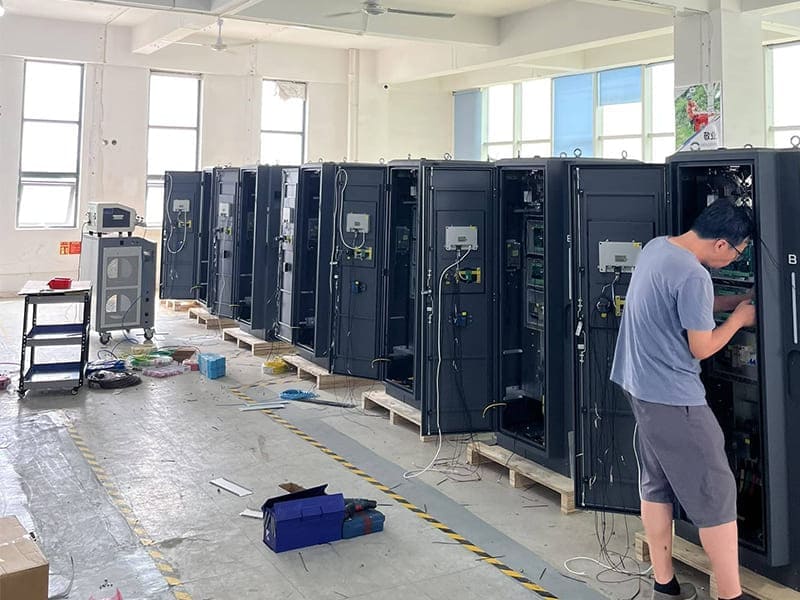
Additionally, the chosen technology dictates capabilities. DC fast EV chargers attract more users. They command higher pricing per session. However, their installation cost is significant. Reliable equipment minimizes maintenance expenses. Conversely, frequent repairs erode earnings quickly. Companies like Aegen New Energy provide robust solutions. They manufacture both AC and DC EV charging stations. Their technical support ensures operational reliability. Thus, it protects long-term EV charging station profit.
Operational and Maintenance Efficiency
Similarly, operational efficiency preserves margins. Regular maintenance prevents costly downtime. Remote monitoring software is incredibly useful. It identifies issues proactively. Efficient management reduces labor costs. Automated payment systems streamline transactions. They enhance user experience simultaneously. Minimizing operational expenses is critical. It directly improves net Electric Vehicle charging station profit for owners.
Additional Revenue Streams
Besides charging fees, ancillary revenue helps. Many stations now incorporate retail offerings. Convenience stores or cafes increase site attractiveness. Advertising on charging units generates extra income. Parking fees can provide supplementary revenue. These diversified streams strengthen financial resilience. They compensate for lower charging usage periods. Hence, they bolster overall EV charging station profit stability.
Market Competition and User Experience
Nevertheless, market competition is intensifying. A superior user experience draws loyal customers. Easy-to-use mobile apps are now standard. Real-time availability updates reduce driver frustration. Fast, reliable charging retains clients effectively. Network interoperability is increasingly important. Competitive pricing must match service quality. Outstanding service builds a strong reputation. Consequently, it sustains higher utilization rates. Why an EV Charging Station Dealership is the Future of Automotive Business?
The Role of Reliable Manufacturers
Finally, partner selection underpins success. Manufacturers impact long-term profitability profoundly. Aegen New Energy is a prominent Chinese manufacturer. They supply complete home and commercial stations. Their free technical support is a major advantage. Customization services meet specific market needs. They collaborate with global distributors and installers. Furthermore, they supply components to assembly companies. Their DC fast and AC business EV chargers sell worldwide. Products reach Central Asia and the Middle East. They also serve European and South American markets. Reliable equipment ensures consistent operation. Therefore, it supports sustainable EV charging station profit growth.
In conclusion, EV charging station profit depends on integrated factors. Utilization and location are primary drivers. Smart pricing and low costs enhance margins. Government policies provide crucial support. Technology choice affects reliability and appeal. Efficient operations and extra revenue add value. Competition demands excellent user experience. Partners like Aegen New Energy ensure quality. Ultimately, a holistic strategy maximizes profitability. The electric future promises substantial opportunities for prepared investors.