
Understanding the EV charging station unit price is complex. Prices vary dramatically across the market. Many factors create this wide price range. We will explore these reasons today. I will explain this from a manufacturer’s perspective. Aegen New Energy produces complete EV charging stations. We serve both home and commercial markets globally.
We also provide free technical support. Customization services are available too. We partner with many charger distributors. We also work with installation companies. Furthermore, we supply parts to assembly firms. Our product line includes DC fast EV charging stations. We also make AC chargers for various uses. Portable chargers are another key product.
Our markets span Central Asia and the Middle East. We also operate in Europe and South America. Customer recognition motivates our continuous improvement. Additionally, we produce specialized testing equipment. Our EV charger tester ensures communication reliability. It is vital for installers and assemblers.
Critically, we develop our own core technology. We self-developed the core charging control unit (CCU). This component is essential for operation. In fact, most markets source this from us. Other key parts include the OCU and SECC. The PCU and charging modules are also crucial. Charging gun cables complete the system. Each component influences the final cost.
Key Factors Influencing Charging Station Costs
First, hardware components significantly determine cost. The power output level is a primary driver. A DC fast charger requires expensive parts. Conversely, a simple AC unit costs less. The quality of internal electronics matters greatly. For instance, our proprietary CCU ensures performance. Sourcing such components affects the EV charging station unit price.
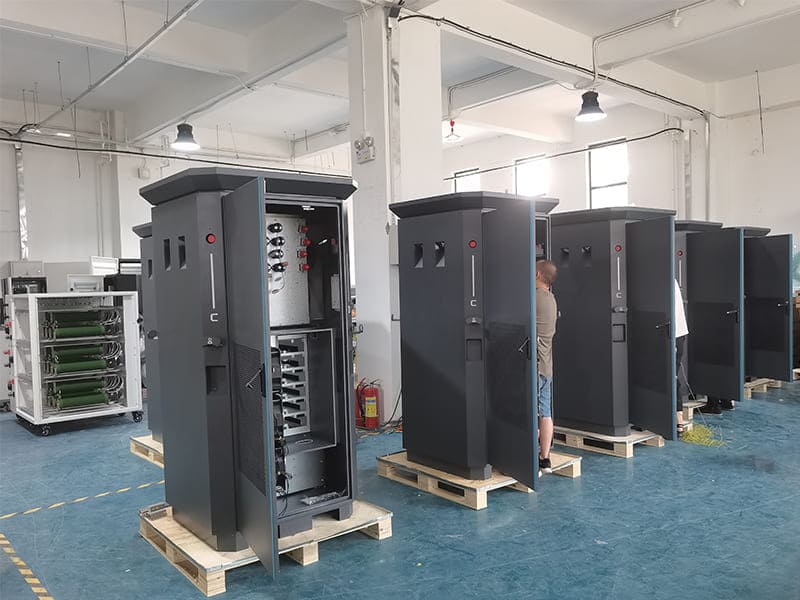
Manufacturing scale and location also play roles. Large-scale production can reduce per-unit costs. Our facilities optimize for efficiency and quality. Labor costs vary by region considerably. Import tariffs and logistics add expenses too. These factors collectively impact market pricing. So, the final EV charging station unit price reflects these inputs.
The Role of Software and Smart Features
Secondly, software and connectivity add value. Basic chargers need simple control systems. Smart chargers require complex software integration. Features like remote monitoring cost more. Network management systems add development expense. Therefore, these features raise the Electric Vehicle charging station unit price.
Compatibility demands further investment. Chargers must communicate with various vehicles. They also connect to different power grids. Our testers verify this communication reliably. Ongoing software updates are necessary too. Consequently, advanced units command higher prices. The EV charging station unit price includes this digital innovation.
Installation and Operational Expenses
Next, installation complexity alters final cost. Commercial sites often need electrical upgrades. Permitting and inspection fees add expenses. Professional installation ensures safety and compliance. Our partners handle this critical step. These service costs influence the project’s total price. Thus, the quoted Electric Vehicle charging station unit price might not include setup. EV Charging Station Kuala Lumpur: Cost, Speed & Accessibility.
Operational costs continue after installation. Maintenance and repairs are inevitable considerations. Network subscription fees may apply monthly. Energy management software has its own cost. Providers must cover these long-term expenses. So, the initial EV charging station unit price is just one part.
Market Dynamics and Brand Value
Furthermore, market competition shapes pricing strategies. Many brands compete for customer attention. Premium brands invest heavily in research. They also build strong warranty programs. This investment supports a higher price point. Economical brands focus on cost reduction. They offer fewer features for a lower price.
Brand reputation provides tangible value. Trust and proven reliability justify premium costs. Aegen earns recognition through quality products. Our global client feedback is very positive. This goodwill allows for stable pricing. Market positioning directly affects the EV charging station unit price.
Conclusion: A Reflection on Value
In summary, pricing variability stems from multiple sources. Hardware quality and power output are fundamental. Software intelligence adds significant cost. Installation and operational fees are often hidden. Market competition and brand power set final tags.
Ultimately, the EV charging station unit price signals value. It reflects component quality and innovation. It includes software capability and service support. We at Aegen New Energy understand this deeply. We strive to offer balanced value. Our goal is fair pricing for superior technology. We hope this explanation clarifies the market for you.