
As a manufacturer, I often ponder this question. The landscape for EV charging stations in 2026 is evolving rapidly. However, a single major challenge looms large. It is not just about hardware production. The core issue is systemic integration. Our company, Aegen New Energy, sees this daily. We supply home and public ev charging stations globally. We also offer free technical support and customization. We partner with many installers and assembly firms. Our DC fast, AC, and portable EV chargers reach four continents. They receive strong customer approval. Yet, future success hinges on overcoming one key hurdle. The biggest challenge for EV charging stations in 2026 will be grid capacity and stability.
The Grid Integration Dilemma
Firstly, the demand for electricity will surge dramatically. Millions of new EVs will hit roads globally. Consequently, EV charging stations in 2026 will need immense power. However, existing grid infrastructure is often outdated. For example, simultaneous fast charging can cause local overloads. Therefore, grid reinforcement is urgently needed. This requires massive investment and time. Meanwhile, our industry must innovate solutions. We develop efficient chargers to ease this burden. Nonetheless, the challenge remains monumental.
The Intermittent Renewable Energy Problem
Furthermore, the energy source is crucial. Ideally, Electric Vehicle charging stations in 2026 should use green power. Solar and wind power are therefore essential. However, their supply is inherently intermittent. For instance, the sun does not always shine. Similarly, the wind does not always blow. This creates a mismatch with charging demand. So, stability becomes a major concern. Battery storage systems offer one solution. They store renewable energy for later use. However, they increase costs significantly. Thus, balancing cost and sustainability is tricky.
The Need for Smart Charging Networks
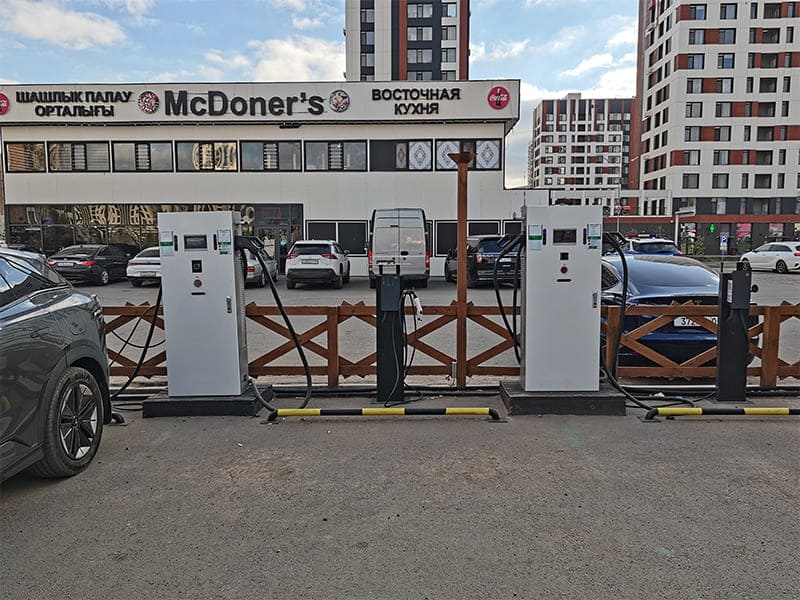
Moreover, intelligence is the next frontier. Future EV charging stations in 2026 must be interconnected. They cannot operate as isolated points. Instead, they need to form smart networks. These networks can then manage demand dynamically. For example, they can shift charging to off-peak hours. This practice greatly reduces grid stress. Additionally, smart stations enable vehicle-to-grid (V2G) flows. EVs can potentially feed power back. This technology promises stability. But, it requires universal standards and protocols. Widespread adoption is still progressing slowly.
Consumer Experience and Reliability
Additionally, user trust is paramount. Drivers expect flawless charging experiences. They want reliability and speed. Frequent downtime is simply unacceptable. So, reliability for Electric Vehicle charging stations in 2026 is non-negotiable. This involves robust hardware and software. Our company provides strong technical support for this. Regular maintenance and remote monitoring are also vital. Moreover, seamless payment systems are necessary. A fragmented network frustrates users. Therefore, interoperability between networks is key. Ultimately, confidence drives EV adoption. Why Is The EV Charging Station Unit Price So Variable?
Economic Viability and Investment
Simultaneously, financing this expansion is difficult. Building a dense charging network is costly. This is true for hardware, installation, and grid upgrades. Investors seek clear and profitable returns. Yet, utilization rates can be unpredictable initially. So, business models for EV charging stations in 2026 must evolve. Public-private partnerships will be crucial. Governments must offer supportive policies and incentives. Otherwise, rollout may lag behind vehicle sales. We see this tension in many developing markets.
Our Role and Vision at Aegen New Energy
In conclusion, the path is complex but navigable. At Aegen New Energy, we focus on robust products. We provide reliable home and public ev charger solutions. Our global partners help deploy them effectively. We also advocate for smarter grid integration. We believe in collaborative solutions. Therefore, we work with utilities and tech firms. Our goal is to support sustainable EV charging stations in 2026. The challenge is great, but so is our commitment. Together, we can power the electric future.