
The booming EV charging station model promises strong returns. This profitability seems remarkable. However, understanding its core drivers is essential. Fundamentally, a successful EV charging station model relies on multiple revenue streams. Therefore, let’s explore this dynamic business framework.
Strategic Hardware Selection and Placement
First, diverse hardware meets varied needs. For instance, DC fast EV charging stations enable quick revenue cycles. Conversely, AC units serve longer parking durations. Specifically, compact 20&30kw DC chargers offer great value. They suit both home and commercial use perfectly.
Meanwhile, DC public EV charging stations range from 20kw to 320kw. These often feature multiple connectors like CCS1 and GB/T. Consequently, they serve numerous vehicles simultaneously. Thus, they fit high-traffic retail centers perfectly. Similarly, they excel at transportation hubs and highways.
Additionally, commercial AC business EV chargers (7kw-22kw) serve different needs. They use Type 2 or NACS plugs typically. As a result, they are ideal for residential area parking. Furthermore, they suit corporate offices and hotels well. So, strategic placement boosts the EV charging station model significantly.
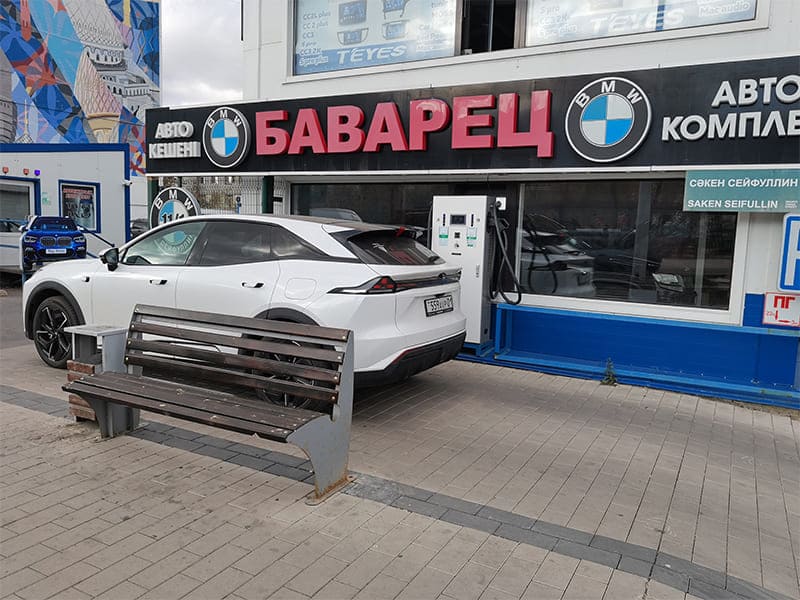
Multiple Revenue Streams Enhance Profitability
A robust EV charger station model never relies on one income source. Primarily, charging fees form the core revenue. These fees can vary by time or speed. Moreover, many operators add demand or idle fees. Therefore, each session maximizes financial return.
Besides, advertising on charging screens generates extra income. Similarly, partnerships with nearby stores create value. For example, drivers might shop while charging. Consequently, this drives foot traffic and partnerships. Thus, the EV charging station model becomes a multi-service hub.
Furthermore, subscription plans ensure steady cash flow. They offer members discounted charging rates. Additionally, fleet servicing agreements provide stable contracts. So, diversification strengthens the overall business model considerably.
Lower Operational Costs Through Technology
Modern technology streamlines operations effectively. Remote monitoring minimizes onsite visits. Similarly, automated software handles billing and diagnostics. As a result, labor costs remain remarkably low. This efficiency is crucial for the Electric Vehicle charging station model.
Also, smart power management reduces electricity expenses. It balances grid demand and energy costs. Moreover, durable hardware from makers like Aegen cuts maintenance. Their global technical support helps promptly. Thus, operational sustainability improves greatly.
Government Incentives and Partnerships
Government subsidies often reduce initial investment. These incentives make deployment cheaper. Furthermore, partnerships with property owners are vital. They provide ideal locations with shared investment. Consequently, this expands network reach rapidly.
Additionally, collaboration with installers ensures smooth deployment. Companies like Aegen supply whole stations or parts. They even offer custom solutions freely. So, partnerships de-risk the EV charging station model effectively.
Meeting Diverse Market Demands
The Electric Vehicle charging station model must serve various drivers. For instance, fast chargers address range anxiety quickly. Meanwhile, slower AC charging suits workplace parking. Also, versatile connectors like CHAdeMO cater to all cars. Therefore, universal accessibility increases usage rates. How Quickly Can a Best EV Charging Station Pay for Itself and Start Profiting?
Moreover, stations appear at diverse locations now. These include logistics centers and tourist attractions. Likewise, restaurants and cinemas host chargers today. So, convenience drives consistent customer demand upward.
Scalability and Future Growth
Scalability is a key advantage certainly. Operators can start with few units initially. Then, they can expand based on proven demand. Furthermore, adding more plugs later is simple. Thus, the EV charging station model grows flexibly.
Also, evolving technology allows for upgrades. Newer, faster chargers can replace old ones. Meanwhile, software updates add features continuously. Therefore, the infrastructure stays relevant and profitable.
Conclusion: A Sustainable Business Framework
In conclusion, the profitable EV charging station model is no accident. It combines strategic hardware with smart software. Moreover, it diversifies income beyond mere charging. Additionally, it leverages partnerships and incentives fully. Finally, it adapts to driver needs and technological advances. So, this multifaceted approach ensures long-term success and resilience.