
Smart placement transforms a Turkey EV charging station into a profitable venture. Location dictates usage, revenue, and long-term success. Operators must analyze traffic flows and dwell times first. High-visibility sites yield the highest returns.
Strategic Location Choices
A Turkey EV charging station thrives in high-traffic retail zones. Large supermarkets and shopping centers offer ideal footfall. Home improvement stores also attract dedicated vehicle owners. These locations guarantee consistent daily usage.
Transportation hubs represent another prime category. Airports and train stations see constant vehicle turnover. Major highway service areas capture long-distance travelers. Urban parking facilities serve local commuters effectively.
Daily commuter spots provide steady, predictable demand. Corporate office parks host vehicles for extended hours. Government institutions and residential complexes add reliability. Hotels cater to overnight guests needing convenient access.
Specialized fleet locations unlock niche opportunities. Logistics centers support electric delivery vehicles. Taxi stands and bus stations serve high-mileage fleets. Car dealerships demonstrate commitment to sustainable transport.
Leisure destinations round out the strategy. Restaurants, cinemas, and stadiums attract discretionary visitors. Tourist sites combine high visibility with customer convenience.
Equipment Selection Matters
Operators choose from versatile DC fast EV chargers. The 20kw to 30kw models offer simple one-start operation. These units balance speed, cost, and user-friendliness. They suit both residential and commercial installations perfectly.
Commercial DC fast charging stations cover a broad spectrum. Options range from 20kw to 320kw configurations. Multiple plug types include CCS2, CCS1, GB/T, CHAdeMO, and NACS. Dual, triple, or quad connectors maximize compatibility. Brazil EV Charging Station: The 3 Installation Locations That Deliver the Highest Profit Margins.
High-capacity split units reach 480kw, 720kw, or 960kw. These serve large parking complexes and highway stations effectively. They cater to diverse electric vehicle models simultaneously.
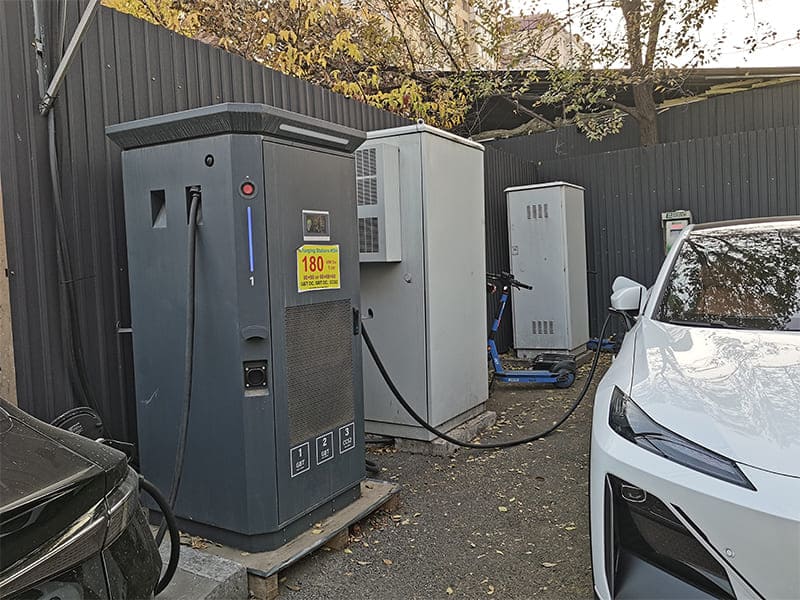
Commercial AC chargers address overnight and workplace needs. Seven-kilowatt, eleven-kilowatt, and twenty-two-kilowatt models dominate. Type 1, Type 2, GB/T, and NACS plugs ensure broad compatibility. Single-gun and dual-gun configurations provide installation flexibility.
Profit Drivers in Placement
A Turkey EV charging station achieves profitability through utilization rates. Smart placement ensures chargers remain busy during peak hours. Higher usage directly correlates with revenue growth.
Dwell time becomes a critical profit factor. Locations with 30-to-60-minute stops suit fast chargers ideally. Sites with extended stays accommodate AC chargers profitably.
Energy pricing models also impact returns. Dynamic pricing during high-demand periods boosts margins. Subscription plans create predictable recurring revenue streams.
Aegen’s Role in the Ecosystem
Aegen manufactures complete EV charging stations and components. The company supplies DC EV fast charging station across multiple power classes. Commercial AC chargers form a significant part of its portfolio. Aegen offers free technical support with every purchase.
Customization options allow tailored solutions for specific sites. Aegen partners with distributors and installation firms extensively. Assembly companies also collaborate to streamline deployment.
Aegen’s products operate across Central Asia, the Middle East, Europe, and South America. EV charger testers support installers and assemblers effectively. This equipment ensures reliable commissioning and maintenance processes.
Building a Sustainable Network
A successful Turkey EV charging station network relies on partnerships. Aligning with property owners secures prime locations. Collaborating with installers guarantees quality setup.
Data-driven site selection minimizes risk and maximizes returns. Traffic pattern analysis reveals hidden opportunities. Competitor mapping identifies underserved corridors.
Operators should prioritize scalable infrastructure from the start. Modular designs allow capacity upgrades as demand grows. Future-proofing ensures compatibility with evolving vehicle technology.
Conclusion
Smart placement ultimately determines the success of any Turkey EV charging station. High-traffic retail, transport hubs, and fleet locations offer superior returns. Equipment choice must align with site-specific usage patterns. Partnerships with manufacturers like Aegen provide reliable hardware and support. Consequently, a well-placed station delivers consistent profitability. Moreover, it contributes to Turkey’s expanding electric vehicle ecosystem.