
Aegen New Energy focuses on EV charging station for Community projects. Choosing the right number of chargers matters greatly. First, assess your community’s daily parking duration. Most residents charge overnight or during work hours. Therefore, start with a basic rule of thumb. For every 10 electric vehicles, install one fast charger. Additionally, consider future EV adoption rates in your area.
Understand Charging Habits First
Aegen notes that home charging dominates community needs. So, mix AC and DC EV charging station for home wisely. For overnight charging, AC units work best. They are cheaper and gentle on batteries. For quick top-ups, DC fast chargers save time. Consequently, a ratio of 4 AC to 1 DC often suits communities. This balance reduces queue times significantly. Moreover, Aegen recommends surveying residents before purchasing. Ask about their average daily mileage. Then calculate needed charging speed accordingly.
Use Aegen’s Proven Formulas
Aegen suggests a simple formula for EV charging station for Community sizing. Multiply total parking spots by 0.2 for early adoption phase. For mature EV markets, use 0.4 instead. Then divide by average charging hours available. For example, 200 spots x 0.2 = 40 EVs. If each charger serves 4 EVs per night, you need 10 AC chargers. Add 2 DC fast chargers for emergencies. This method avoids under- or over-investment. Also, Aegen provides free technical support to refine these numbers.
Learn from Real Community Cases
Aegen helped a 500-home community in Europe select EV charging station for Community equipment. Initially, they installed only 6 AC chargers. Queues formed every evening. Therefore, Aegen added 2 DC 20kw units. Wait times dropped by 70%. Later, they installed 4 more AC EV chargers. Now satisfaction is high. Another case in South America used 22kw AC dual-gun chargers. That setup serves 8 EVs per night per unit. Thus, fewer chargers were needed. Aegen’s data proves that proper planning cuts costs by 30%.
Match Charger Types to Usage Patterns
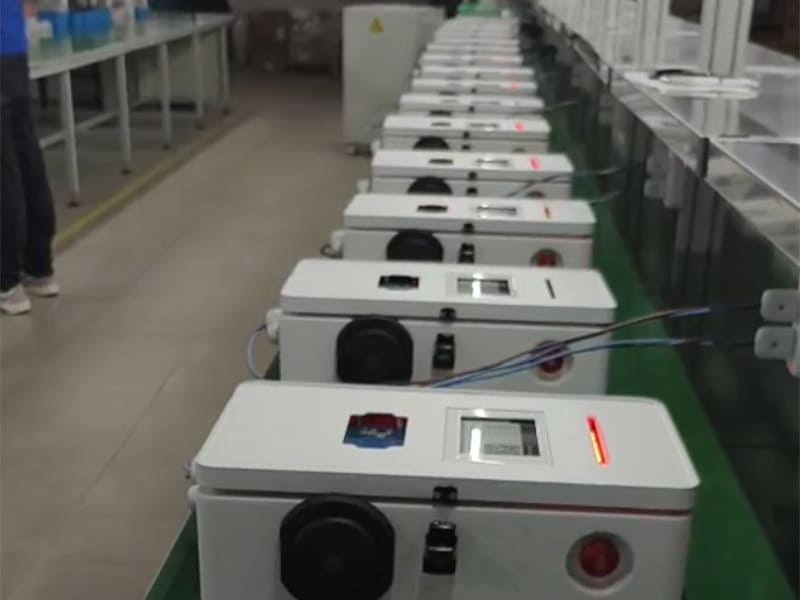
For residential zones, choose Aegen’s 7kw/11kw/22kw AC wallboxes. These work outdoors or in garages. They are ideal for long, slow charging. For common parking areas, use Aegen’s 20kw/30kw DC fast chargers. One 20kw unit can fully recharge a car in 2–3 hours. This suits shared community lots. Also, Aegen offers portable chargers as backup. They handle sudden demand spikes. Meanwhile, AC public EV chargers with dual guns serve workplace parking. Type1, Type2, GB/T, and NACS plugs are all available. So compatibility is never an issue.
Avoid Common Mistakes
Many communities buy too many fast chargers. That wastes money. Others buy only slow chargers. That frustrates residents. Aegen sees this often. The right EV charging station for Community balances speed and cost. Therefore, start with 80% AC and 20% DC chargers. Monitor usage for three months. Then adjust the mix. Also, leave room for expansion. Aegen’s wall-mounted units save space. Their 20kw DC model is just 80A. It fits tight locations easily. Low price and simple operation make it perfect for HOAs.
Leverage Aegen’s Partnerships
Aegen collaborates with many charger dealers and installers worldwide. These partners help communities install EV charging station for Community correctly. Some partners provide parts, others full assembly. Aegen also offers customization services. For instance, you can request specific cable lengths or payment systems. This flexibility lowers total ownership cost. Plus, Aegen gives free lifetime technical support. No hidden fees. No complicated contracts. EV Charging Station AC Installation: Why Your Location Determines ROI & Profit Margins
Plan for Growth and Seasons
Winter reduces EV range by 20%. Therefore, add more chargers in cold climates. Summer travel peaks also increase demand. Aegen advises installing 2–3 extra AC chargers beyond calculated needs. This buffer handles holidays and visitors. Also, consider shared use with nearby businesses. A community center can host chargers for both residents and shoppers. This approach improves charger utilization. Consequently, each charger serves more EVs per day.
Final Recommendation from Aegen
Start with a pilot phase of 5–8 chargers for every 100 homes. Use 7kw AC units for most spots. Add one 20kw DC fast charger per 50 homes. Monitor data for six months. Then expand. Aegen’s EV charging station for Community solutions have earned praise in Central Asia, Middle East, Europe, and South America. Customers love the reliability and low prices. For help, contact Aegen directly. They provide free consultations and custom designs. Choose wisely, and your community will enjoy seamless EV charging for years.