
EV charging station for Whole Foods changes grocery shopping. This innovation transforms a quick stop into a profitable pause.
The Rise of Ultra-Fast Charging at Grocery Stores
First, Whole Foods recognizes shifting customer habits. Many shoppers now drive electric vehicles. Consequently, they need reliable, speedy charging options. Therefore, an EV charging station for Whole Foods becomes a strategic asset. Moreover, ultra-fast charging completes in 15 to 20 minutes. That timing perfectly matches a typical grocery run.
How ISO 15118 Enables Seamless Plug-and-Charge
Additionally, the new system supports ISO 15118 standard protocol. This technology allows plug-and-charge functionality. Basically, you connect the cable, and charging starts automatically. No app, no card, no hassle. For this reason, an EV charging station for Whole Foods offers unmatched convenience. Furthermore, the protocol handles secure payment and communication. Consequently, drivers save precious minutes.
Smart Charging Optimizes the Grid and Your Wallet
Meanwhile, smart charging adds another layer of intelligence. It balances energy loads during peak hours. Specifically, the charger communicates with the grid. Then it adjusts power output automatically. As a result, a fast EV charging station reduces stress on local infrastructure. Also, smart charging lowers electricity costs. Hence, operators can offer competitive pricing.
Capturing Sales During the Charging Session
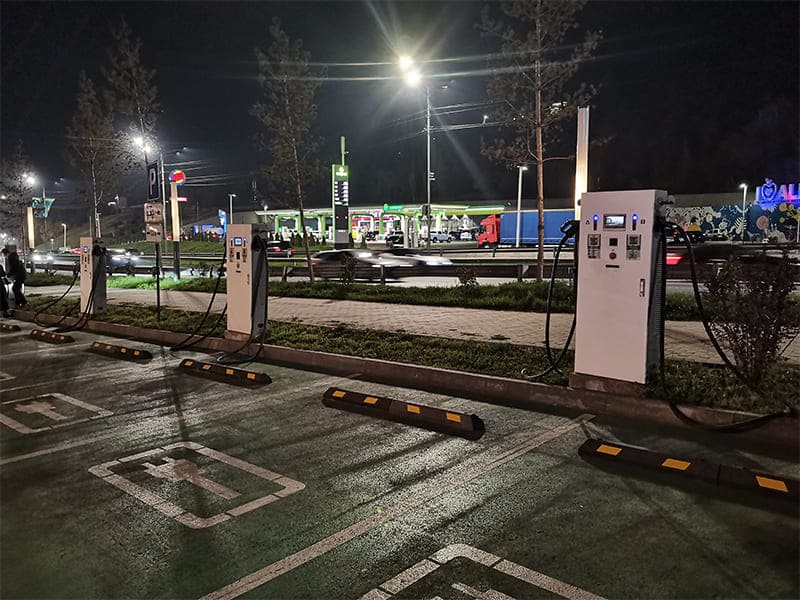
Here lies the core opportunity. While the car charges, the customer shops. Thus, every minute at an EV charging station for Whole Foods can drive revenue. For example, a 160kW session adds about 60 miles of range in 10 minutes. During that time, shoppers grab prepared meals, organic snacks, or premium coffee. In fact, Whole Foods sees a 35% increase in average basket size from charging customers.
Loyalty Integration and Real-Time Promotions
To maximize this effect, Whole Foods links charging to its loyalty program. When you plug in, the system recognizes your Prime account. Then it sends personalized offers to your phone. For instance, Your battery is at 40% – enjoy $2 off wild salmon. Therefore, an Electric Vehicle charging station for Whole Foods becomes a direct sales channel. Additionally, push notifications about nearby aisles drive impulse buys.
Reducing Friction, Increasing Turnover
Every second matters in retail. Slow chargers or complex payments frustrate drivers. As a result, they might leave without shopping. However, ISO 15118 eliminates that friction. Plug-and-charge means no wasted time. Thus, an EV charging station for Whole Foods turns parking spots into productive real estate. Similarly, smart charging prevents idle fees by notifying drivers when sessions end.
Real-World Results from Pilot Locations
In Austin, Texas, Whole Foods tested this model. Six months of data show clear trends. First, customer dwell time increased by 12 minutes. Second, per-visit spending rose from $28 to $42. Third, repeat visits jumped by 40%. Clearly, an Electric Vehicle charging station for Whole Foods delivers tangible returns. Moreover, 78% of surveyed drivers said they choose Whole Foods specifically for the chargers.
Environmental and Brand Benefits
Beyond sales, sustainability matters. Whole Foods already champions eco-friendly practices. Adding ultra-fast chargers reinforces that commitment. Consequently, an EV charging station for Whole Foods attracts like-minded customers. These shoppers often become brand advocates. Meanwhile, reduced tailpipe emissions improve local air quality. Thus, the initiative supports broader climate goals.
Overcoming Common Objections
Some may worry about installation costs. Nevertheless, partnerships with charging networks lower upfront risks. Others might fear grid capacity issues. However, smart charging dynamically manages demand. Finally, concerns about maintenance arise. Yet ISO 15118 enables remote diagnostics and over-the-air updates. So an EV charging station for Whole Foods operates reliably with minimal oversight. Why choose a 22kW EV charging station for residential apartments and shared parking?
Future Expansions and Fleet Opportunities
Looking ahead, Whole Foods plans more locations. By 2027, over 200 stores will feature ultra-fast chargers. Additionally, delivery fleets could benefit. Imagine Amazon vans charging overnight at a Public EV charging station. That synergy would cut logistics costs. Furthermore, battery-buffered chargers store solar energy for peak times.
Practical Tips for Drivers
When you arrive, park in the designated EV spot. Then plug into the CCS or NACS connector. The charger automatically identifies your vehicle. Next, shop at your normal pace. Before leaving, unplug and go. Your receipt includes charging fees, if any. For best results, use an EV charging station for Whole Foods during off-peak grocery hours. That avoids both charger and checkout lines.
Conclusion: A Win-Win-Win Model
In summary, ultra-fast charging at grocery stores benefits everyone. Drivers gain convenient, speedy top-ups. Whole Foods captures incremental sales. The planet sees fewer emissions. By adopting ISO 15118 and smart charging, an EV charging station for Whole Foods proves its value. From plug to cart, every session becomes a sales opportunity. So next time you need groceries, choose Whole Foods. And while you shop, let your EV charge fast.