
A solid plan for EV charging station requires careful thought. I, Aegen, see three main paths: owned, leased, or partnership. This plan for EV charging station must balance costs and convenience. Today, drivers expect fast and smart solutions. So, I will explore the best model for you.
Why ISO 15118 Matters
First, let me highlight a key standard. ISO 15118 enables plug-and-charge functionality. This protocol automates payment and authentication. Consequently, drivers simply plug in their vehicle. The station then identifies the car securely. Therefore, no cards or apps are needed. Additionally, smart charging optimizes energy use. It avoids grid overload during peak hours. Thus, ISO 15118 ensures a seamless experience.
Owned Business Model
In an owned model, I buy the land and equipment. This plan for EV charging station gives me full control. For instance, I set pricing and hours freely. Moreover, profits stay entirely with me. However, upfront costs are very high. Land purchase and installation require big capital. Also, I handle all maintenance and upgrades. So, this model suits deep-pocket investors. Yet, long-term returns can be substantial.
Partnership Model
Next, a partnership spreads risks and rewards. I collaborate with a utility or retail chain. Together, we share costs for equipment and land. This plan for EV charging station benefits both sides. For example, the partner provides foot traffic and parking. I bring technical and operational expertise. Consequently, each party contributes unique strengths. Also, losses are shared if demand is low. But profits are split as per agreement. Many new entrants prefer this collaborative approach.
Key Considerations for Any Plan
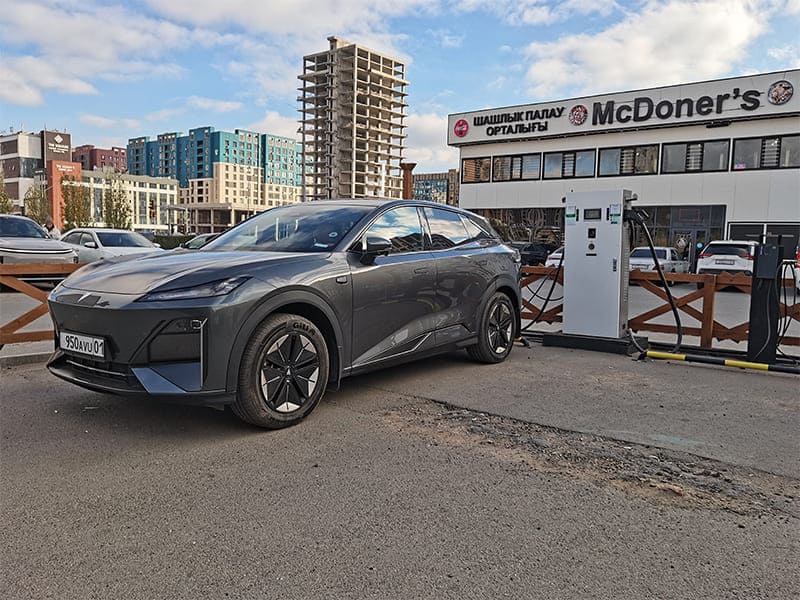
Every plan for Electric Vehicle charging station must address location and technology. High-traffic areas near highways work best. Also, install multiple chargers to avoid queues. Smart charging reduces peak demand charges. ISO 15118 supports vehicle-to-grid communication too. Thus, I can balance local grid loads efficiently. Another factor is payment flexibility. While plug-and-charge is ideal, some drivers prefer backup options. Therefore, I add a QR code for manual payment.
Step-by-Step Implementation
First, I conduct a site feasibility study. Then, I secure permits from local authorities. After that, I choose hardware that supports ISO 15118. Next, I set up a backend for smart charging. Finally, I launch with a marketing campaign. For a partnership model, I align milestones with my partner. For an owned model, I move independently.
Revenue Streams Explained
Charging fees form the primary income. I can charge per kWh or per minute. Additionally, I offer subscription plans for regular users. Idle fees discourage station hogging after charging. Some stations sell advertising on screens. Others partner with nearby cafes for discounts. Consequently, diversified revenue improves profitability. EV charging station parts for DC Fast Charging: 30-min 80% Charge Speed by Aegen to Maximize Your Profit Margins
Risks and Mitigation
Low utilization is a major risk. To counter this, I choose strategic locations near destinations. Equipment failure also hurts reliability. Hence, I sign maintenance contracts for fast repairs. Another risk is utility demand charges. Smart charging spreads load to avoid spikes. Finally, regulation changes could affect pricing. So, I stay updated on local policies.
Future Trends
Vehicle-to-grid (V2G) is emerging fast. With ISO 15118, my station can sell battery power back. This creates a new revenue stream during peak prices. Moreover, EV fast charging station reduce wait times. I plan to upgrade as costs fall. Wireless charging may also arrive by 2030. Therefore, my plan for EV charging station remains adaptable.
Conclusion: Which Model Wins?
For most entrepreneurs, partnership offers the best start. It lowers initial capital needs. My plan for EV charging station grows faster with a partner. However, owned suits those with deep pockets. It yields higher long-term profits. Either way, ISO 15118 and smart charging are mandatory. They ensure customer satisfaction and grid stability. So, I urge you to avoid leasing. Instead, choose owned or partnership based on your resources. Remember, a solid plan for EV charging station evolves with technology. Finally, start small but think big. Your network can expand over time.