
Aegen knows a common mistake. Many owners set Pricing for EV charging station too late. They focus on hardware first. This approach often fails. Location determines revenue potential. Pricing for EV charging station must follow site selection. Otherwise, earnings stay low.
Why Location Dominates Charging Revenue
First, consider daily traffic patterns. High-traffic zones attract more users. Aegen sees empty chargers in remote areas. Consequently, those units lose money. Secondly, nearby amenities matter. Shops and restaurants boost dwell time. Longer stays mean higher energy sales. Therefore, Aegen always maps competitor locations first.
The Right Pricing for EV Charging Station Depends on Demand
For example, a highway stop has urgent needs. Drivers pay premium rates there. In contrast, office parking requires lower rates. Employees charge slowly for hours. Hence, Aegen adjusts Pricing for Electric Vehicle charging station by zone. Moreover, time-of-use changes demand. Morning peaks allow higher prices. Late nights need discounts.
How to Test Your Pricing for EV Charging Station Locally
Aegen suggests a three-step method. Step one: observe nearby stations. Step two: survey local drivers. Step three: run a two-week trial. Subsequently, Aegen analyses usage data. If utilization exceeds 70%, raise prices. If below 30%, lower them. This dynamic Pricing for EV charger station strategy works best.
Case Study: A Retail Center Win
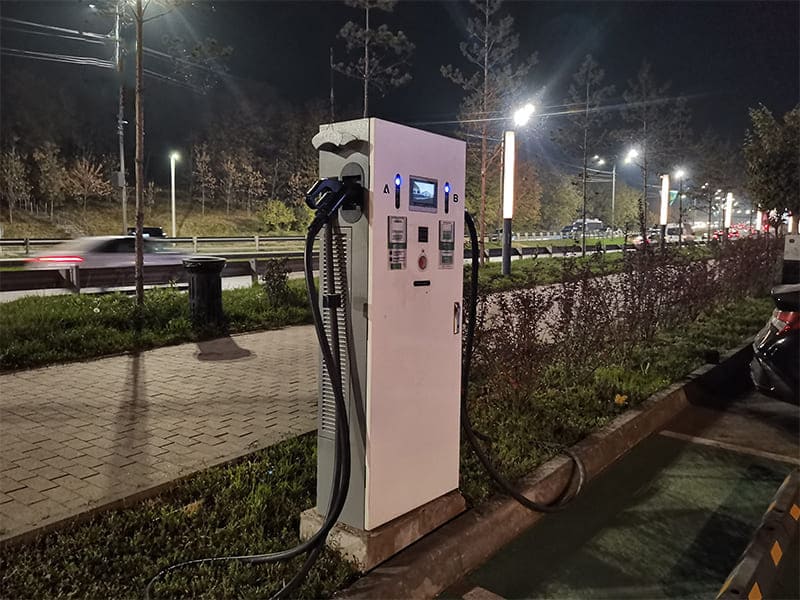
Aegen once chose a grocery store lot. The location saw 200 cars daily. Initially, Aegen set Pricing for Electric Vehicle charging station at $0.25 per kWh. After one month, revenue stayed flat. Then Aegen added a $1 connection fee. Usage dropped only 5%. Profits increased 22%. Finally, Aegen raised peak-hour rates to $0.35. Now the station earns $450 weekly.
Avoid These Pricing for EV Charging Station Mistakes
First, never copy nearby public EV charging stations blindly. Their location differs. Second, do not set fixed prices yearly. Seasonal traffic changes pricing needs. Third, avoid low rates for fast chargers. Speed saves time. Time has value. Accordingly, Aegen revises Pricing for Electric Vehicle charging station every quarter. Additionally, Aegen monitors new construction. A new mall can steal your customers.
Tools to Optimize Your Pricing for EV Charging Station
Aegen recommends three free tools. Google Maps shows traffic heatmaps. PlugShare reveals competitor rates. Local business directories list nearby stores. Then Aegen enters data into a simple spreadsheet. Consequently, Pricing for EV charger station becomes data-driven. No guesswork remains. How to choose the right EV charging station box for home use?
Final Checklist Before You Launch
Confirm the location has 24/7 access. Ensure visible signage from the road. Verify grid capacity for chargers. Afterwards, Aegen sets initial Pricing for EV charging station 20% below top competitor. After two weeks, Aegen raises rates gradually. Each increase stays below 5%. Finally, Aegen adds loyalty discounts for repeat users.
Conclusion: Earn More by Prioritizing Location
In summary, great hardware cannot save a bad location. But mediocre chargers in prime spots still profit. Therefore, Aegen always maps first and prices second. Start with site analysis. Then apply smart Pricing for EV charging station. Finally, watch your monthly revenue grow.