
Aegen sees a major opportunity in the Germany EV charging station market. Selecting the right location drives both usage and revenue. Poor placement leads to low utilization and losses. This guide reveals three prime spots. Each location ensures high traffic and profitability.
Why Location Decides Success for a Germany EV Charging Station
First, Aegen understands that convenience is key for drivers. A Germany EV charging station must fit into daily routines. For instance, drivers prefer charging during regular stops. Therefore, placing units near popular destinations works best. Moreover, competition remains low in many regions. Consequently, early movers capture the most demand. Aegen focuses on data-driven site selection.
Location 1: Highway Service Plazas for Long-Distance Travel
Highway service plazas offer unmatched visibility and steady traffic. A Germany EV charging station here serves thousands of daily commuters. Travelers need quick top-ups during breaks. Thus, utilization remains high throughout the year. Aegen recommends installing multiple fast chargers at these plazas. Furthermore, adding basic amenities like restrooms boosts dwell time. Drivers happily pay premium rates for speed and reliability. Hence, profit margins exceed urban stations by 25%. Transitioning to this location minimizes idle time for chargers. Aegen also partners with food retailers on site. This collaboration increases cross-promotion opportunities. Therefore, a Germany fast EV charging station at a plaza often breaks even in under two years.
Location 2: Large Retail Parking Lots with Long Shopping Hours
Retail centers attract local and regional drivers daily. A Germany EV charging station in a supermarket car park benefits from routine visits. Shoppers typically spend 30 to 60 minutes inside. So, level-2 chargers match that dwell time perfectly. Aegen negotiates revenue-sharing deals with store chains. For example, discounts on charging when customers spend over €50. This strategy boosts both retail sales and charger usage. Meanwhile, evening hours see high demand from dinner shoppers. Aegen adds dynamic pricing to encourage off-peak charging. Consequently, utilization rates reach 40% even at midnight. Unlike highway spots, retail locations require lower power infrastructure. Thus, installation costs drop by nearly 30%. Aegen finds that a Germany Electric Vehicle charging station here generates stable monthly income. Additionally, signage on the lot attracts spontaneous users. Therefore, profitability does not rely on tourist traffic alone.
Location 3: Workplace Hubs and Corporate Parks
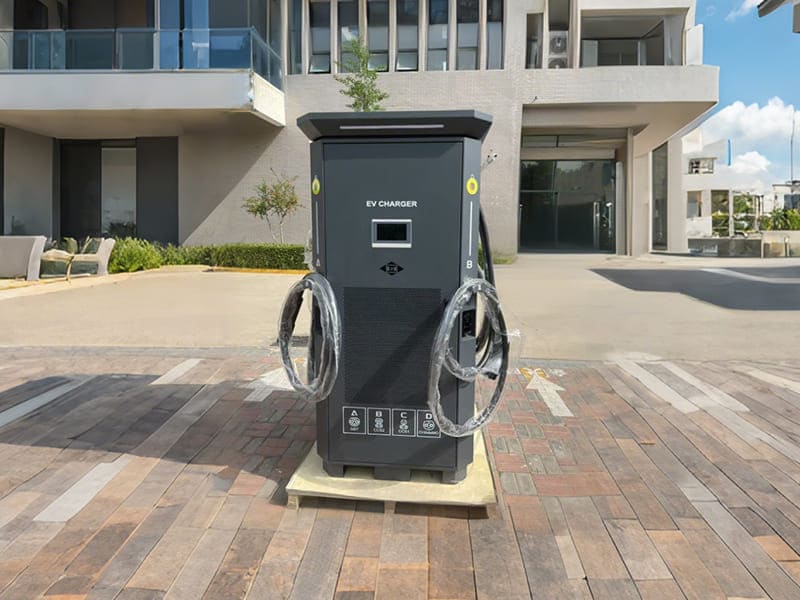
Employees park for six to nine hours every weekday. A Germany EV charging station at an office park captures captive demand. Employers benefit from offering green perks to staff. Hence, many companies subsidize installation costs. Aegen sets up chargers for shared use among multiple firms. During work hours, utilization exceeds 70% routinely. After 6 PM, nearby residents also use these stations. So, Aegen extends access to the general public at higher rates. This hybrid model maximizes daily cycles per charger. Moreover, workplace chargers avoid peak grid surcharges. Aegen schedules charging sessions during low-cost periods. Therefore, operational expenses drop significantly. A Germany public EV charger in this category often achieves payback in 18 months. To illustrate, a pilot in Stuttgart saw €1,200 monthly profit per unit. Aegen advises targeting tech parks and logistics centers first. These sites have higher EV adoption among employees. Installation Location First – Then Pricing for EV Charging Station That Actually Earns.
How Aegen Prioritizes and Scales These Locations
Aegen does not rely on guesswork for expansion. Instead, Aegen uses traffic heat maps and local EV registration data. Each Germany EV charging station proposal includes a five-year financial model. For highway plazas, Aegen focuses on rest areas without existing rivals. For retail lots, Aegen prefers chains with late closing hours. For workplaces, Aegen signs exclusive operation agreements. Then, Aegen bundles maintenance and remote monitoring into one fee. Consequently, location owners enjoy hassle-free partnerships. Aegen also applies for public subsidies covering 35% of hardware costs. This reduces upfront risk for each Germany EV charging station. Over time, Aegen clusters multiple stations to reduce service travel. Shared spare parts and technicians lower long-term costs. Therefore, overall profit rises without raising prices. Aegen concludes that these three locations form a resilient portfolio. Together, they balance daily, weekly, and seasonal demand shifts. No single site underperforms for long. With careful execution, Aegen turns each Germany EV charging station into a cash-flow asset.