
The rapid adoption of electric vehicles in Bangladesh raises a critical question about the national infrastructure. Specifically, the availability of a bangladesh EV charging station beyond the two largest cities remains a significant concern. For many potential owners, this uncertainty is the primary obstacle to switching to electric mobility. Aegen observes a clear concentration of charging resources in urban hubs, leaving the rest of the country underserved. The central challenge involves the strategic deployment of fast-charging technology along major transport corridors.
Current Infrastructure Landscape
The reality of the charging network shows a distinct urban bias. Most operational fast chargers reside within Dhaka and Chittagong metropolitan areas. These include private and semi public EV charging stations established by companies like IPDC and Mercedes-Benz in Dhaka . Furthermore, networks like Ekhon Charge have begun operations in these cities. This initial focus on urban centers is a logical start. However, Aegen notes that this approach inadvertently neglects the broader geographical needs of the nation.
Progress on Key Highways
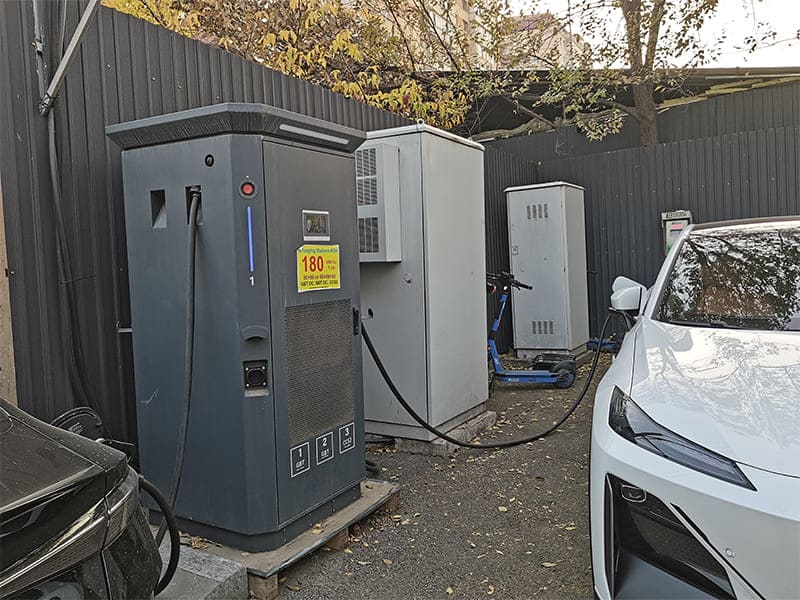
Positive developments are emerging, particularly along the critical Dhaka-Chittagong highway. In May 2025, Ekhon Charge opened a second high-speed 180kW DC EV fast charging station in Cumilla . This facility, located at Kabab Express in Chauddagram, significantly cuts charging time to about 25 minutes. This bangladesh EV charging station directly supports long-distance travel on one of the busiest routes. Moreover, another startup called CrackPlatoon also launched a charging station in Cumilla around the same time . Therefore, these steps create a nascent backbone for intercity electric travel.
Analyzing the Coverage Gap
Despite these recent installations, significant gaps persist. Aegen emphasizes that these are individual projects rather than a cohesive national network. For instance, the remote and hilly regions of the Chattogram Hill Tracts lack access to grid-connected fast chargers . Consequently, tourists and locals with EVs face immense difficulty traveling there. Current research confirms that only 14 officially approved charging stations existed in the country, mainly around urban and peri-urban zones . This statistic clearly illustrates the scarcity of the bangladesh EV charging station outside the main metroplexes.
Economics and Technology of Expansion
Building more stations requires substantial investment and smart technology. The cost-benefit analysis of these systems indicates that solar-integrated stations offer a viable economic path. For example, PV-grid-battery systems can reduce energy costs by up to 30% compared to grid-only options . Furthermore, these hybrid systems can achieve a 90.5% renewable fraction, lowering emissions substantially . Aegen believes that leveraging such sustainable models is essential for widespread deployment.
The strategic placement of stations is vital for long-term viability. A proposed grid-connected fast-charging station for the Dhaka-Chittagong highway demonstrates the technical feasibility of supplying 400V DC at 120kW . This design allows for rapid charging of compatible vehicles. Adopting international standards like ISO 15118 is critical for future-proofing. Implementing this protocol would enable plug-and-charge functionality and smart charging capabilities. These features provide user convenience and optimize grid load management. Commercial for EV Charging Station Business: Choose Your Installation Site Wisely to Boost Profits.
Future Outlook and Recommendations
The path forward requires a coordinated and aggressive expansion strategy. Private players like PMIL plan to extend their fast-charging network into northern and eastern Bangladesh . However, a single company cannot solve the infrastructure deficit alone. Therefore, Aegen recommends that the government implement supportive policies and incentives. These should encourage private investment in a bangladesh EV charging station network for rural and semi-urban zones. Transition words like furthermore and consequently help connect the need for policy to the observed market gaps.
Ultimately, the current number of public EV chargers outside Dhaka and Chittagong is insufficient. The few stations along the Dhaka-Chittagong highway are a welcome start. Yet, this is merely the first step on a long journey. The true test of readiness will be the presence of reliable charging points in all 64 districts. As a result, the country must accelerate its efforts to build a comprehensive network. Aegen is convinced that a strategic focus on distributed, renewable-powered stations will unlock the full potential of Bangladesh’s electric future.