
Kuala Lumpur EV charging station infrastructure is on track for a significant upgrade by 2027. Major projects promise to boost capacity and ease range anxiety. These developments target both highway corridors and urban centers. The outlook for EV drivers appears increasingly positive. The availability of a kuala lumpur ev charging station should improve markedly.
A Strategic Highway Hub
The most prominent development is Malaysia’s first integrated EV charging station hub. This hub will be at the Seremban Rest and Service Area. It is a joint venture between PLUS and Yinson GreenTech . Construction is underway with an estimated cost of RM12 million . The hub is expected to be fully operational by the first quarter of 2027 . This kuala lumpur ev charging station model is a game-changer for long-distance travel. It will feature 20 EV fast charging stations with power up to 320 kW . Consequently, drivers can charge an EV to 80% in just 15 to 30 minutes . This destination is not just about charging. It integrates retail, dining, and modern facilities . Therefore, it offers a complete stopover experience for highway users.
Expanding the Network Beyond the Highway
Improvements extend well beyond the highway network. The Selangor state government is actively mapping out 500 new EV charging locations. This project aims for completion by mid-2027 . This initiative strategically includes outskirt areas like Sabak Bernam. Consequently, availability becomes more equitable across the region. This expansion focuses on high-speed DC chargers. These will be placed in busy public zones to minimize waiting times . Furthermore, off-grid solutions like battery storage systems are under consideration. This ensures reliability even where grid power is constrained. Such efforts complement the highway hub directly. It creates a more comprehensive and reliable network. Therefore, any kuala lumpur ev charging station will be part of a larger, connected system. This reduces the fear of being stranded without power.
Smart Charging and User Experience
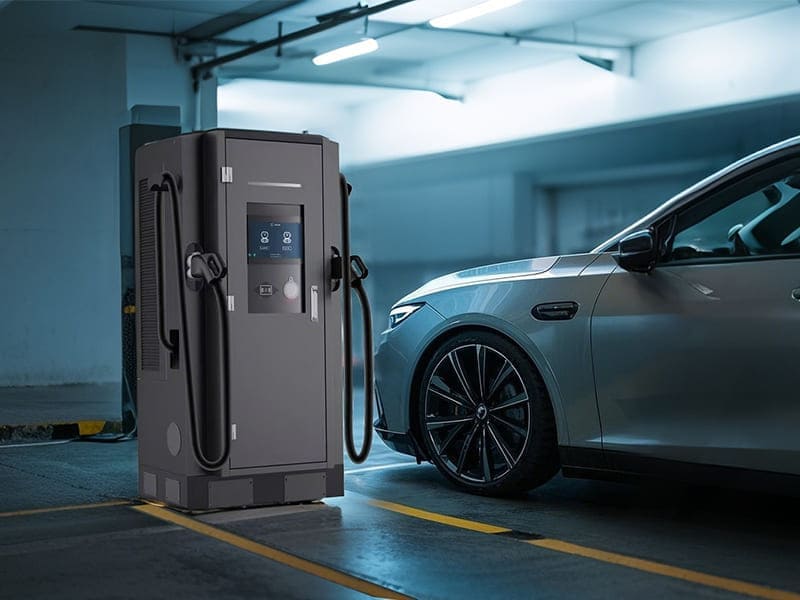
The new infrastructure will also embrace smart technology. This aligns with international standards like ISO 15118. The standard enables Plug and Charge functionality. It simplifies the user experience considerably. Drivers can simply plug in and the car authenticates automatically. This eliminates the need for RFID cards or mobile apps. Subsequently, it makes public EV charging station as easy as at home. The chargers will support intelligent features for grid management. This includes load balancing and scheduled charging. The kuala lumpur ev charging station of the future will be a smart device. It will interact seamlessly with both the vehicle and the power grid. This technological leap is a clear improvement for users. It enhances convenience and operational efficiency. Why OCPP for EV charging station is critical for future-proofing your EV infrastructure?
Tangible Progress and Future Outlook
Progress is already visible on the ground. PLUS has surpassed its 2025 target for charging points. It now operates 112 DC fast chargers along its highways . These existing stations provide a foundation for the 2027 expansion. They are equipped with solar panel roofing and battery storage systems . This demonstrates a commitment to sustainable energy practices. The 2027 projects represent a clear acceleration of this effort. The government supports this through its Low Carbon Mobility Blueprint . The goal of 10,000 charging stations nationwide remains a key target. The improvements planned for Kuala Lumpur are a central part of this national strategy. In conclusion, the answer is a definitive yes. The availability of a kuala lumpur ev charging station is set to improve substantially in 2027. The combination of flagship hubs and an expanded network creates a robust system. This gives drivers greater confidence to adopt electric vehicles.