
The hum of an electric vehicle is often the first sound visitors hear. For many destinations, the tourist attractions EV charging station is merely a practical amenity. However, a shift is occurring across the global travel industry. These power hubs are transforming into profitable commercial centers. They are no longer just about adding miles to a battery. Instead, they are about adding value to the visitor experience. This evolution turns a cost center into a self-funding asset.
The New Economics of Destination Power
Firstly, location is everything. Tourist attractions EV charging stations sit where people want to be. They are positioned near scenic viewpoints, historical landmarks, and national parks. Consequently, a captive audience is guaranteed for a specific period. Drivers must wait while their vehicles replenish. This mandatory dwell time is a golden opportunity for site operators. Therefore, the challenge shifts from attracting visitors to engaging them once they arrive.
Moreover, the data supports this economic shift. In Hancock, New York, a single high-traffic hub demonstrated immense local value. The station drew over 400,000 visits, generating an estimated $4.3 million in local spending . About 30% of users stayed longer than 15 minutes to shop or eat . This proves that a well-placed tourist attractions EV charging station acts as a direct funnel to nearby retail.
Retail: The Engine of Self-Funding
How exactly does the funding work? It relies on retail partnership monetization . Instead of relying solely on electricity margins, operators partner with on-site shops. For instance, a café can offer a discount to anyone with an active charging session. A gift shop might see increased foot traffic from waiting families.
This model benefits everyone. The visitor receives a perk or a distraction. The retailer gains a customer they might otherwise have missed. The charging infrastructure gets funded through shared revenue or increased rent from thriving on-site businesses. Consequently, the tourist attractions EV charging station becomes a landlord’s dream: a facility that drives traffic to tenants.
Experiences Over Kilowatts
Beyond retail, experiences create lasting revenue. Estonia’s health trails provide a perfect example of this philosophy. A project there encourages visitors to charge two batteries at once . Tourists can plug in their cars and then hike, bike, or ski on nearby trails. The charging time is seamlessly integrated into a day of adventure.
Similarly, locations like the Grand Canyon offer Level 2 charging near lodge areas. While the vehicle charges, guests can grab a meal, visit the visitor center, or simply enjoy the view. This integration means the tourist attractions EV charging station is not a pit stop; it is part of the destination itself. Revenue is generated through gear rentals, guided tours, or dining—all funded by the time the charge creates.
The Technology Behind the Transaction
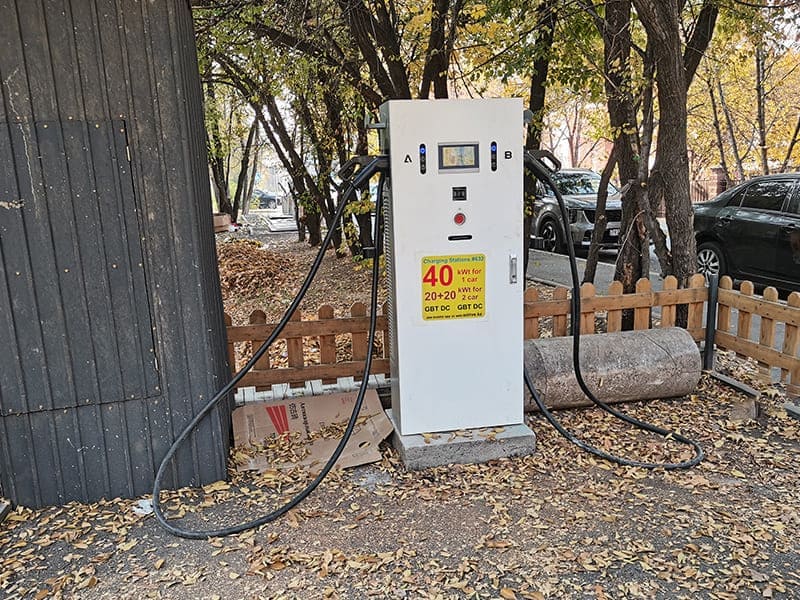
To make this work, the hardware must be reliable and versatile. This is where companies like Aegen play a critical role. Aegen manufactures a wide range of DC fast public EV charging stations. For a tourist location, options include the 20-40kW models for smaller lots or the high-capacity 60-320kW units for main hubs.
Furthermore, these stations support multiple plug types, including CCS1, CCS2, GB/T, CHAdeMO, and NACS. This ensures that no visitor is turned away regardless of their vehicle origin. For hotels and restaurants offering overnight stays, Aegen’s 7kW to 22kW AC chargers are ideal for longer dwell times. The key is matching the charger speed to the typical visit duration. A quick-service restaurant might need 20kW DC fast charging, while a cinema benefits from slower 11kW AC units that guarantee a two-hour stay.
Building a Self-Sustaining Model
For a site to fund itself, the business model must be clear. Operators can adopt charging monetization strategies that go beyond simple transaction fees. Sponsorships are one avenue. A local brand could sponsor the cost of electricity in exchange for prominent signage on the kiosk. Loyalty integration is another powerful tool. For example, spending $50 in the gift shop could trigger a $5 credit toward the charging session. How Stadiums EV Charging Station Turns Event Dwell Time into High-Margin Revenue?
Importantly, the infrastructure must be built to last. Aegen provides not only the charging units but also EV charger testers for installation companies. This ensures uptime remains high. A broken charger generates no revenue and frustrates tourists. Therefore, reliable technology is the foundation of any profitable tourist attractions EV charging station.
A Look Ahead
Ultimately, the future of travel is electric. Parks Canada already offers charging at numerous historic sites, from Halifax Citadel to Cape Breton Highlands. New Jersey is incentivizing hotels and tourism locations along key corridors to install fast chargers. As adoption grows, so does the competition for visitor dollars.
The winning destinations will be those that view the tourist attractions EV charging station not as a utility, but as a welcome mat. By blending quick power with compelling retail and unique local experiences, these sites can pay for themselves. They evolve from a simple grid connection into a vibrant community hub. In this new model, the value is not just in the current flowing to the car, but in the energy flowing through the local economy.