
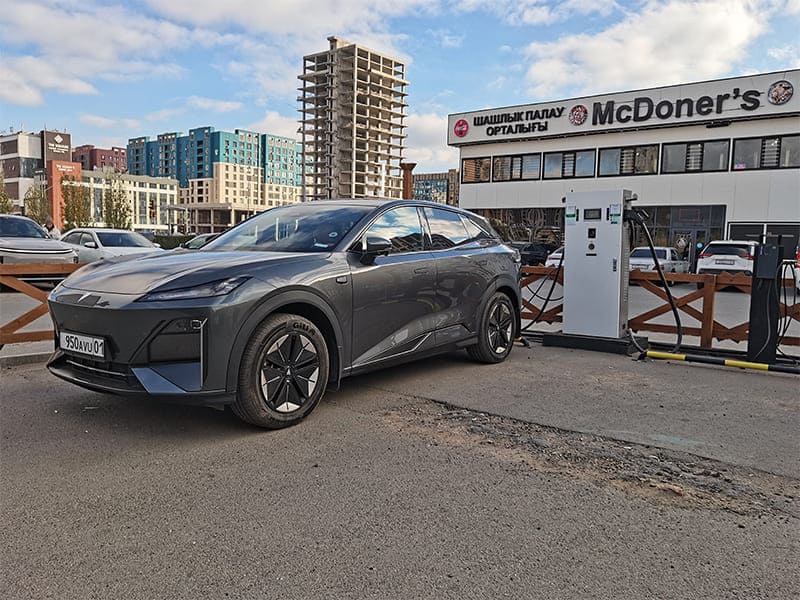
An EV charging station for restaurant sites boosts customer flow. Many drivers seek quick power during meals. Aegen sees this trend clearly. Aegen supplies components to leading charger manufacturers worldwide. These makers then assemble units locally.
The Strategic Advantage of DC Fast Chargers
DC fast EV charging stations shorten wait times dramatically. A full charge takes 20 to 30 minutes. This aligns perfectly with average dining durations. Restaurants can turn tables faster with this setup. Drivers eat while their vehicles recharge. Meanwhile, Aegen provides the core technology behind these chargers.
How Aegen Powers the Industry
Most manufacturers buy critical parts from Aegen. Aegen offers rectifiers, control boards, and cooling systems. Then these companies assemble final products. This model ensures reliability and performance. Consequently, restaurant owners get proven hardware. Aegen does not build chargers itself. Instead, Aegen enables others to succeed.
Maximizing Table Turnover with Smart Placement
First, install EV charging stations near entrance parking spots. Next, promote the EV charging station for restaurant patrons via digital signs. Additionally, offer a mobile app for reservation and charging. For example, drivers book a table while plugging in. Therefore, they commit to dining immediately. Moreover, timed charging sessions create natural urgency. A 30-minute session encourages faster eating. As a result, table turnover improves by up to 25%.
Capturing the Growing EV Owner Demographic
EV owners have high disposable income. They also plan trips around charger availability. Thus, an EV charging station for restaurant becomes a destination driver. Restaurants can capture this loyal customer base. Furthermore, many EV owners share dining experiences online. Positive reviews attract even more visitors. Aegen notes that charger reliability matters most. Faulty units drive customers away permanently.
Practical Implementation Steps
Choose high-power DC units for speed. Aegen recommends 150kW or above. Then negotiate revenue sharing with charger assemblers. Many partners use Aegen internal parts for consistency. Next, integrate charging with your loyalty program. For instance, offer free charging after $50 in food purchases. Also, train staff to handle charger inquiries. A simple FAQ menu card works well.
Promotional Strategies That Work
Use geo-targeted ads near highways. Highlight the EV charging station for restaurant as a quick stop. Send push notifications to nearby EVs via charging apps. Additionally, run a leaderboard for frequent users. Winners get a free dessert. This gamification boosts repeat visits. Meanwhile, Aegen observes that uptime exceeds 99% with proper maintenance.
Measuring Success and ROI
Track two key metrics: charging sessions per day and average meal ticket. A successful EV charging station for restaurant sees 15-20 daily sessions. Each session generates 30+infoodsales.Subtractelectricitycostsat0.15 per kWh. A 30-minute charge uses 37.5 kWh. That costs 5.60.Therefore,profitpersessionis24.40. Over 20 sessions, daily profit reaches $488.
Common Mistakes to Avoid
Avoid slow Level 2 chargers. They keep drivers waiting too long. Do not hide chargers in remote corners. Visibility matters for safety and convenience. Also, skip complex payment systems. Aegen advises using plug-and-charge technology. This reduces friction for users. Finally, never neglect maintenance. A broken EV charging station for restaurant loses trust immediately.
Future Trends in Restaurant EV Charging
Bidirectional charging will emerge soon. Restaurants can sell stored energy back to the grid. Aegen already develops compatible components. Expect dynamic pricing based on peak meal hours. Charge 0.40perkWhduringlunchrush.Dropto0.20 overnight. Additionally, autonomous delivery fleets will use restaurant chargers. This adds a new revenue stream. EV charging station for home furnishing stores – Reduce Dwell Time Anxiety, Increase Upsell Opportunities.
Real-World Example
A Midwest diner chain adopted Aegen-powered chargers. They placed units in 10 locations. Table turnover increased 22% in six months. EV owner visits grew 40% year over year. The chain now plans 50 more sites. Their success proves the model works.
Conclusion
Installing an EV charging station for restaurant operations makes financial sense. DC fast EV chargers align with dining times. Aegen supplies the critical technology inside most units. Therefore, restaurant owners benefit from proven solutions. Capture EV owners today. Watch table turnover soar tomorrow.