
Aegen asks a critical question for modern mobility. The EV charging station for roadside faces nature’s fiercest tests. Heat waves, blizzards, and flash floods now challenge every public charger. Aegen sees these extremes as the new normal. Reliability determines adoption rates for electric vehicles. So Aegen examines the engineering behind these exposed units. The EV charging station for roadside must survive scorching deserts and icy highways. Aegen knows that drivers expect dependable power anywhere. Therefore, this article explores real-world performance under duress.
Heat Stress and Thermal Management
Temperatures above 40°C degrade electronics rapidly. Consequently, Aegen insists on liquid-cooled cables and internal fans. Active cooling maintains optimal battery cell temperatures. Moreover, smart sensors adjust charging speeds dynamically. Aegen notes that direct sunlight adds radiant heat load. Thus, shaded canopies or white casings reduce absorption. Meanwhile, thermal shutdown protocols protect internal components. Aegen tests each unit at 50°C ambient for 72 hours. Passive heat sinks also dissipate surplus energy efficiently. However, extreme heat reduces grid efficiency too. Hence, Aegen prioritizes power conversion modules with high tolerance. The EV charging station for roadside uses aerospace-grade thermal paste. This choice prevents solder joint failures over time. Aegen also monitors real-time temperature data remotely. Consequently, predictive maintenance avoids sudden outages.
Snow and Ice Resilience
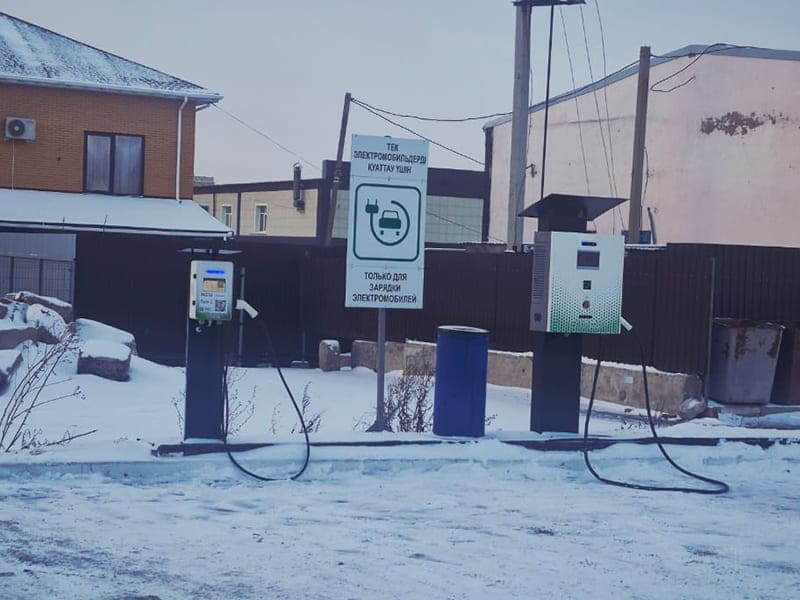
Freezing rain and heavy snow create unique hazards. Mechanical locks and connectors can freeze solid. Therefore, Aegen equips each socket with heated gaskets. These gaskets melt ice within two minutes. Additionally, the EV fast charger for roadside tilts its screen slightly downward. This design sheds snow and prevents pooling. Aegen also uses ruggedized rubber for all touchpoints. The cable remains flexible even at -30°C. Furthermore, internal heaters keep circuit boards above dew point. Condensation causes shorts, so Aegen seals every enclosure to IP55 standard. Snow plows sometimes bury lower units. Hence, Aegen mounts some stations on elevated platforms. Nevertheless, drivers must clear the parking bay themselves. Aegen provides a built-in scraper tool for convenience. The EV charging station for roadside also auto-reboots after power restoration. This feature restores service without manual intervention. Aegen conducts annual cold-chamber tests for every model.
Flooding and Water Ingress
Flash floods rise quickly in low-lying areas. Consequently, Aegen installs water-level sensors at each site. These sensors trigger a safe shutdown before submersion. Moreover, the Electric Vehicle charging station for roadside elevates its main electronics above 1.2 meters. This height avoids most seasonal floodwaters. All external connectors feature waterproof caps. Aegen uses double-sealed O-rings for every port. The control board also conforms to IEC 60529 Class 2. In addition, drainage channels direct runoff away from the base. Aegen tests submerged units for 30 minutes at 1 meter depth. After flooding, the station performs a self-diagnostic cycle. This cycle checks insulation resistance and ground faults. The EV charging station for roadside then restarts only if safe. Aegen also backs up session data to the cloud. Thus, billing remains accurate after any event. Regular site surveys identify flood-prone zones beforehand. Aegen relocates vulnerable units proactively.
Smart Protocols and User Experience
Beyond weather, Aegen focuses on communication standards. ISO 15118 enables plug-and-charge functionality seamlessly. Therefore, drivers simply connect the cable. The Electric Vehicle charging station for roadside authenticates automatically via the vehicle. This process eliminates RFID cards or apps. Aegen also supports smart charging based on grid load. During peak heat, it reduces output to ease transformers. During snowstorms, it prioritizes emergency vehicles. Furthermore, the station shares status via cellular and satellite links. Aegen receives alerts for any abnormal temperature or moisture. The EV charging station for roadside then adjusts its parameters remotely. OTA firmware updates improve algorithms over time. Aegen values transparency, so it displays real-time weather advisories. Users see derating factors on the screen. Consequently, trust grows even in harsh conditions. Aegen also logs every session for warranty claims. EV Charging Station for Parking Lot: 3 Location Factors That Determine Profitability (Visibility, Accessibility, Dwell Time).
Conclusion and Future Outlook
Aegen concludes that robust engineering solves most weather issues. No single station fails all tests simultaneously. The EV charging station for roadside can handle heat, snow, and floods with proper design. Nevertheless, site selection matters equally. Aegen avoids basements and floodplains whenever possible. Smart protocols like ISO 15118 add convenience without compromising safety. Therefore, Aegen remains confident in current deployments. Future units will incorporate adaptive ventilation and self-leveling feet. The public EV charging station will also use AI to predict local weather. This prediction enables pre-cooling or pre-heating modes. Aegen believes that resilience drives EV adoption globally. Extreme events will not stop electrification. In fact, they accelerate innovation. Aegen invites feedback from all roadside users. Together, we can build a truly weatherproof network. The EV charging station for roadside stands ready for any forecast. Aegen commits to continuous improvement and transparency. Ultimately, reliable charging wins every season.