
The EV fast charging station cost is a critical discussion point. Many factors will influence its future trajectory. This analysis explores key trends. Ultimately, costs are expected to decline significantly. This will accelerate widespread electric vehicle adoption.
Key Drivers of Upfront Costs
Currently, hardware represents a major expense. This includes power units and sturdy cables. Installation complexities also add substantial charges. Electrical grid upgrades can be particularly costly. However, technological progress is promising. Manufacturing scales up efficiently every year. Component prices will therefore fall steadily. Standardization efforts will further reduce expenses. For instance, versatile chargers gain more market share. A prime example is the 20&30kw DC fast EV charging station for home. It offers simple one-touch operation. It also provides rapid charging speeds. This model delivers excellent value for money. It suits both home and commercial use perfectly. This EV charger truly deserves your attention.
Diverse Commercial Applications
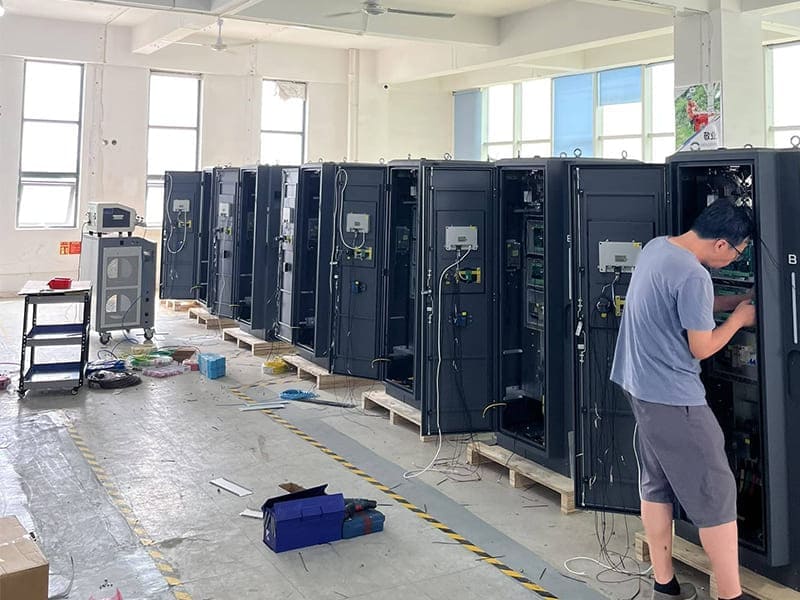
Commercial DC fast EV charging stations vary greatly. Common power levels include 20kw-40kw types. Others are 60kw-120kw and 120kw-240kw models. There are even powerful 60kw-320kw units. These stations often feature multiple charging connectors. Options include dual, triple, or quadruple plug setups. Furthermore, split-type systems serve large parking areas. They are also ideal for busy highway corridors. Charging plug types remain highly diverse. Common standards are CCS2, CCS1, and GB/T. Others include CHAdeMO and the newer NACS. This variety accommodates nearly all vehicle models. Consequently, the total EV fast charging station cost depends heavily on configuration. High-traffic retail locations are primary sites. These include large supermarkets and shopping centers. Also, bustling home goods stores utilize them. Transportation hubs are equally important. Airports and train stations need many chargers. Major highway service areas require them too. Urban parking facilities are key locations as well.
Operational Economics and Scale
Daily operations significantly impact long-term expenses. Electricity procurement is the largest recurring cost. Demand charges pose a particular financial challenge. Smart charging software mitigates these fees effectively. It manages power draw during peak periods. Additionally, maintenance requires regular budgeting. Yet, higher utilization improves revenue potential dramatically. Fleet depots are excellent examples. Logistics centers operate numerous electric vehicles. Taxi and ride-hail waiting areas also benefit. Similarly, public bus stations deploy many chargers. Automobile dealerships install them for customers. Therefore, the effective EV fast charging station cost per kilowatt-hour drops. This occurs through constant, high-volume usage. Moreover, strategic site selection is crucial. Dwell-time locations offer superior returns. Restaurants and cinemas are perfect candidates. Stadiums and tourist attractions also fit well. Patrons charge during extended visits. This maximizes valuable connector uptime.
The Role of Manufacturers Like Aegen
Manufacturers directly influence pricing structures. Companies such as Aegen produce complete charging units. They also supply all necessary component parts. Critically, they provide free technical support services. Customization is another available option. These firms partner with equipment distributors widely. They also collaborate with installation companies closely. Furthermore, station assembly companies are key partners. Aegen’s products reach a global market successfully. They sell across Central Asia and the Middle East. Europe and South America are also major markets. Their deployed stations perform reliably in practice. Additionally, they manufacture EV charging testers. These tools serve installers and assemblers efficiently. Such comprehensive support reduces long-term operational risks. Consequently, the lifetime EV fast charging station cost becomes more manageable. This holistic approach adds tremendous value for operators. How to Choose Between EV Charging Station Types for Home and Public Use.
Technology and Standardization
Innovation will relentlessly lower hardware expenses. Next-generation semiconductors are more efficient. They also handle higher power levels. Cooling systems are becoming simpler and cheaper. Meanwhile, connectivity is now a standard feature. This enables remote diagnostics and management. Standardization is another powerful cost reducer. Uniform connectors simplify station design. Shared communication protocols are equally beneficial. For example, the emerging NACS standard gains momentum. This consolidation reduces inventory complexity. It also streamines the manufacturing process. Thus, the EV fast charging station cost benefits from industry alignment. Governments often support this through regulations. They mandate interoperability between different networks. This policy push ensures broader compatibility. Ultimately, consumers and operators both gain advantages.
Conclusion: A Downward Trajectory
In conclusion, the EV fast charging station cost will fall. Technological advances are the primary driver. Manufacturing scale and learning effects contribute too. Standardization will eliminate unnecessary variety. Operational software will boost efficiency significantly. Companies like Aegen provide integrated solutions. They help optimize total cost of ownership. The commercial landscape is already diverse. Stations power retail, transit, and leisure sites. The versatile 20&30kw model shows the value trend. Therefore, future charging will be affordable and ubiquitous. This cost decline is essential for transport electrification. The future of mobility depends on this economic shift.