
Selecting the correct charging equipment is crucial. Understanding EV charging station differences is the first step. This knowledge directly informs your purchase. It ensures optimal performance and value. As Aegen, we see this daily with clients. We provide complete charging stations and parts. So, we guide you through these key variations. This clarity prevents costly installation mistakes. Ultimately, it leads to perfect site compatibility.
Power & Speed: The Core Differentiator
First, power rating defines primary functionality. Commercial DC charging stations offer rapid charging. They range from 20kW to over 320kW. Consequently, they serve high-traffic locations perfectly. Conversely, AC commercial posts are slower. They typically offer 7kW to 22kW. Therefore, they suit longer parking durations. Understanding these EV charging station differences is fundamental. It matches power to driver dwell time.
Connector Types: Ensuring Vehicle Compatibility
Next, connector compatibility is essential. Different regions and cars use various plugs. DC stations may use CCS1, CCS2, or GB/T. Some also offer CHAdeMO or NACS connectors. Meanwhile, AC units often use Type 2 or Type 1. These EV charging station differences guarantee usability. Aegen always advises checking local vehicle standards. This ensures every car can charge.
Commercial vs. Home: A Critical Distinction
Furthermore, application environment dictates design. Commercial stations need robust construction. They must handle constant public use. They also require management software. In contrast, home chargers prioritize simplicity and cost. Recognizing these Electric Vehicle charging station differences is vital. It separates durable public assets from private conveniences.
Aegen’s Commercial Portfolio: Designed for Purpose
Our commercial solutions highlight practical EV charger station differences.
High-Power DC Fast Charging Hubs
These stations are for speed-centric sites. We build 60kW to 240kW models. They feature multiple dispensers often. So, they serve several cars simultaneously. They are ideal for highway service plazas. Similarly, they fit busy shopping centers well. These EV charging station differences maximize revenue potential.
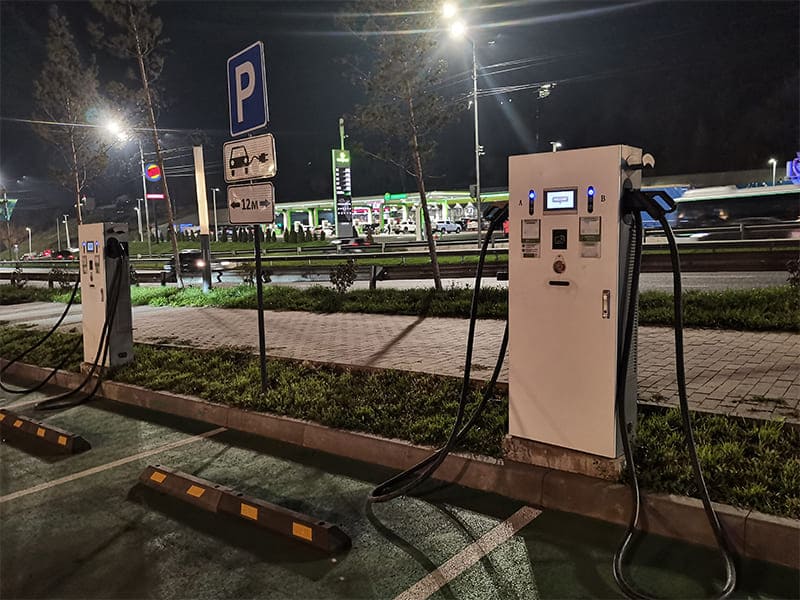
AC Destination Charging Posts
These units encourage longer visits. Our 11kW or 22kW posts are perfect. They are for offices or residential complexes. Drivers can charge during work or overnight. Therefore, they add value to the location. These Electric Vehicle charging station differences support customer retention.
Solar & Storage-Integrated Stations
These hybrid systems are innovative. They combine generation, storage, and charging. They operate independently from the grid sometimes. So, they cut energy costs dramatically. They suit areas with expensive or unstable power. These Electric Vehicle charging station differences offer energy independence.
Aegen’s Home Charging Solutions: Tailored for Lifestyle
Our home products also show important EV charger station differences.
Residential DC Fast Chargers
We offer 20kW/30kW DC home units. They provide incredibly quick home charging. They are simple to operate with one button. They are also cost-effective for home fleets. These EV charging station differences blur traditional lines.
AC Wallbox Chargers
These are the standard home choice. Our 7kW to 22kW wallboxes are reliable. You can install them outdoors or in garages. They are perfect for convenient overnight charging. These Electric Vehicle charging station differences prioritize daily convenience.
Portable EV Chargers
These chargers offer emergency flexibility. Our portable units range from 3.5kW to 11kW. Drivers can store them in the car trunk. However, they are the slowest charging option. These Electric Vehicle charging station differences provide peace of mind.
Beyond Hardware: The Service Difference with Aegen
Moreover, the right partner matters immensely. Aegen provides free technical support always. We also offer valuable customization services. We collaborate with installers and assemblers globally. These service EV charger station differences ensure long-term success. Our global experience guides your choice.
Making the Informed Choice
Finally, analyze your specific needs thoroughly. Consider location and user expectations carefully. Evaluate available power capacity onsite. Review total project budget constraints. Understanding all EV charging station differences streamlines this process. It leads to a confident, optimal selection. How does the cost breakdown for an EV charging station and price affect dealer margins?
Conclusion: Knowledge Powers the Right Investment
In summary, detailed knowledge is powerful. It directly enables smart equipment selection. Understanding EV charging station differences prevents mismatch. It aligns technology with real-world needs perfectly. Aegen is your expert partner in this journey. Contact us for your specific project requirements. We will find the ideal charging solution together.