
Electric vehicle adoption is rising globally. Consequently, understanding charging options is essential. A community EV charging station serves multiple residents. Conversely, a home charger is for private use. Their differences are significant and important. This article explores these key distinctions thoroughly. We will examine power, access, and cost. Aegen, a Chinese manufacturer, supports both types.
Primary Purpose and Typical Users
First, the fundamental purposes are very different. A home charger meets one household’s needs. It is installed on private property. Furthermore, it is used by a single family. However, a community EV charging station serves many people. It is a shared resource for residents. Therefore, access is managed for the community.
Installation Location and Infrastructure
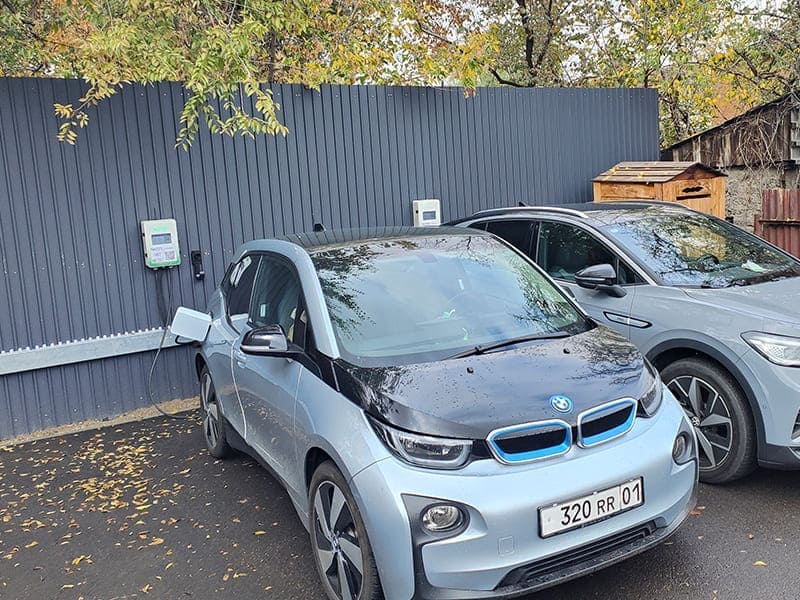
Secondly, installation locations vary greatly. Home chargers are in private garages. They can also be on exterior house walls. Conversely, a community EV charger station is in shared areas. Common spots include apartment building parking lots. Furthermore, they are found in condo common garages. These locations require robust planning. They also need stronger electrical infrastructure.
Power Output and Charging Speed
Moreover, power output is a major differentiator. Home chargers typically use AC power. Common levels are 7kW or 11kW. Therefore, charging is slower, often overnight. However, a community EV charging station can be more powerful. It may offer DC fast charging options. Speeds can reach 60kW or 120kW. This provides much faster charging times.
Connector Types and Compatibility
Additionally, connector compatibility often differs. A home charger uses one plug type. Owners choose their vehicle’s standard. However, a community Electric Vehicle charging station must serve multiple brands. It often features multiple connector types. Common options include CCS2 and Type 2. CHAdeMO and GB/T are also frequent. This ensures broader accessibility for all.
Access Control and Payment Systems
Access and payment methods are also key. Home chargers have no access control. They also do not need payment systems. Conversely, a community EV charging station requires management. It often uses RFID cards or apps. Furthermore, payment systems are integrated. Users may pay per session. They might also use a monthly billing system.
Cost Structure and Investment
The cost structure is vastly different too. A home charger is a personal investment. The homeowner bears the full cost. However, deploying a community Electric Vehicle charging station is a shared cost. It is often funded by the property manager. Sometimes it is a developer’s investment. Therefore, the financial model is more complex.
Maintenance and Operational Responsibility
Finally, maintenance responsibility is distinct. Homeowners maintain their own chargers. They handle any repairs personally. However, a community EV charging station has a designated operator. This could be the building management. Furthermore, specialized companies often handle maintenance. This ensures reliability for all users.
Aegen’s Role in Supporting Both Solutions
Aegen provides solutions for both scenarios. They are a leading Chinese manufacturer. Aegen sells components and complete units. They offer free technical support generously. Customization services are also available. They partner with distributors and installers globally. Their products are used worldwide. Aegen serves Central Asia and the Middle East. They also operate in Europe and South America. What are the types of E-mobility charging station?
Conclusion: Choosing the Right Solution
In conclusion, both solutions serve vital roles. Home chargers offer ultimate convenience. They are perfect for single-family homes. However, a community EV charging station enables wider EV adoption. It is essential for multi-unit dwellings. Therefore, understanding their differences is crucial. This knowledge supports better infrastructure planning. Ultimately, both are key for a sustainable future.