
I am exploring the Aegen 180kw EV charging station today. High-traffic areas demand robust charging solutions. This specific 180kw EV charging station model promises both speed and reliability. Consequently, I will analyze its suitability for demanding commercial applications. My focus is on its performance in high-throughput locations. These sites require consistent, powerful charging infrastructure. The Aegen unit seems designed to meet this challenge. Therefore, I will investigate its real-world reliability.
Understanding the Commercial EV Charging Landscape
First, I recognize the diverse needs of commercial charging. Commercial DC EV charging stations serve many locations. I see them in supermarket and office parking lots. They are vital for highway service areas. Public parking lots and residential complexes also need them. Furthermore, hospital and school parking areas are key sites. Shopping mall parking lots are prime locations. Large commercial fleets depend on these stations daily.
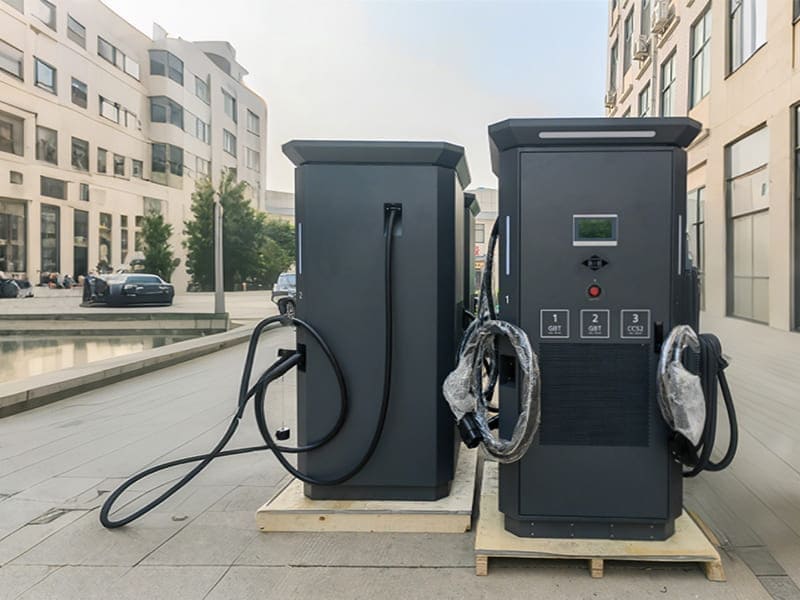
These stations offer various power levels. I find options from 20-40kw for slower charging. The 60-120kw range is quite common. For faster needs, 120-240kw models are available. The most powerful units even reach 60-320kw EV charging sttion. They also support multiple connector types. I see CCS2, CCS1, and GB/T plugs. CHAdeMO and NACS are also widely supported. Configurations include dual, triple, and even four-gun chargers. Additionally, I note the existence of split-system charging piles.
For slower, prolonged charging, I turn to commercial AC EV chargers. I often install them in garages and residential areas. Enterprises use them for overnight fleet charging. They typically feature Type1, Type2, GB/T, or NACS plugs. They come as single or dual-gun units. Their power outputs are usually 7kw, 11kw, or 22kw.
I am also impressed by solar-powered charging stations. They are ideal for large parking facilities. Areas with high electricity costs benefit greatly. They are perfect for regions with underdeveloped grids. The system collects solar energy. It then stores this power in batteries. Finally, it releases the energy to the charging stations. This process significantly saves on operational costs.
Aegen’s Position in the Market
I know Aegen as a professional manufacturer. They provide complete charging stations and components. Moreover, they offer free technical support. I appreciate that they provide customized services. They collaborate with numerous EV charger distributors. They also work with assembly companies and installers. Their products are sold across Central Asia and the Middle East. Furthermore, they have a strong presence in Europe and South America. Their deployed units have received high customer recognition. Additionally, they produce EV charger testers. These are supplied to installers and assembly firms.
The Core Question: Reliability of the 180kw Model
So, I now address the main question directly. How reliable is this specific charger? High-throughput locations cannot afford downtime. A single faulty station causes significant disruption. Therefore, reliability is not just a feature; it is a necessity. I believe the 180kw EV charging station must operate flawlessly. It faces constant use and environmental stress. My analysis considers its design and support network.
Performance Under Pressure
I expect the Aegen 180kw EV charging station to handle rapid cycles. Fleet vehicles arrive and depart constantly. The station must initiate charges quickly and consistently. Its software needs robust error-handling capabilities. I think thermal management is a critical factor. Consistent 180kw output generates considerable heat. An effective cooling system is therefore essential. Without it, power throttling will occur. This would lead to longer wait times and user dissatisfaction.
Versatility and User Experience
Furthermore, I value connector versatility. A high-traffic location serves various car models. The 180kw EV charging station should offer multiple plug types. CCS1, CCS2, and CHAdeMO support is crucial. This ensures compatibility with most modern EVs. The user interface must be simple and intuitive. Drivers need to start charging with minimal effort. A clear screen and simple payment options are vital. I find that complicated processes deter regular use. What is the Price of a Commercial 160kw EV Charging Station?
Durability in Harsh Environments
I must consider environmental durability. These stations are often installed outdoors. They endure rain, dust, and extreme temperatures. The Aegen 180kw EV charging station needs a rugged enclosure. Its internal components must be well-protected. I have seen stations fail due to poor weatherproofing. Consequently, build quality directly impacts long-term reliability. A robust design minimizes maintenance needs and service calls.