
The electric vehicle revolution demands robust infrastructure. Selecting a site for an outdoor EV charging station is crucial. This decision profoundly impacts its usability and profitability. A poorly located station may see little use. Conversely, a well-placed one becomes a valuable asset. This guide explores key site selection factors. We will help you choose the perfect spot for your outdoor EV charging station.
Understanding User Needs and Behavior
First, consider the potential driver’s journey. People often charge during routine activities. Therefore, an ideal outdoor EV charging station location is convenient. It should fit seamlessly into daily life. For example, sites near supermarkets are excellent. Drivers can charge while they shop. Similarly, workplaces are prime locations. Employees can recharge their cars all day.
Additionally, analyze local driving patterns. Look for high-traffic corridors and popular destinations. An outdoor EV charging station on a commuter route attracts users. It serves a clear, daily need. Moreover, consider dwell times. A shopping center allows for one to two hours. A cinema or restaurant allows for longer. Match the charger type to this expected parking duration.
Evaluating Accessibility and Visibility
Ease of access is absolutely paramount. The outdoor Electric Vehicle charging station must be easy to find. It should also be simple to drive into and out of. Clearly visible signage from the road is essential. This attracts spontaneous customers. Furthermore, ensure the approach is wide enough. Large vehicles like electric SUVs must maneuver comfortably.
The station should be in a well-lit area. This enhances safety for users at night. It also helps to deter vandalism. Moreover, avoid locations with complex entry requirements. For instance, avoid multi-story car park low ceilings. An outdoor EV charging station needs clear, open access. Finally, consider GPS accuracy. The pin location on maps must be precise.
Assessing Electrical Infrastructure and Costs
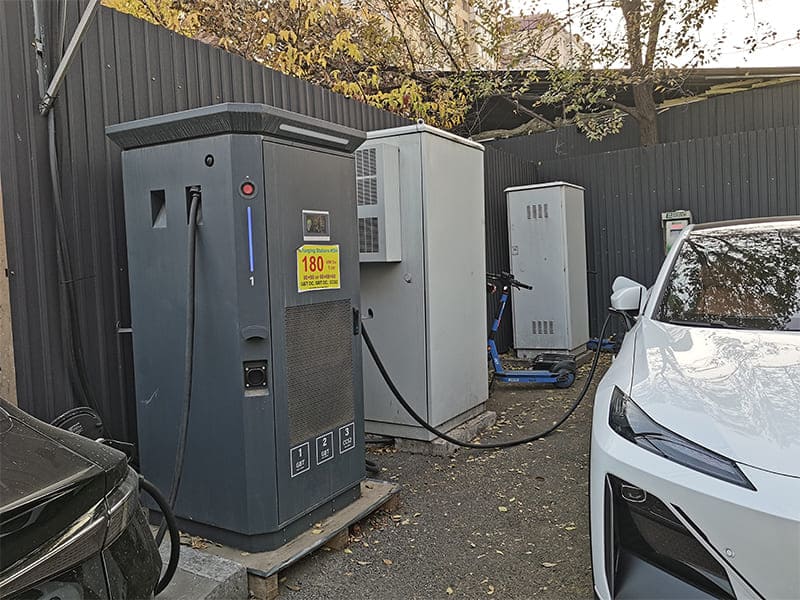
Proximity to power is a major cost driver. Installing an outdoor EV charger station far from a grid connection is expensive. Trenching and cabling costs can be prohibitive. Therefore, survey the site’s electrical capacity early. A location near a main electrical room is ideal. This minimizes civil works and reduces the project budget.
Additionally, consider future expansion. Choose a site with sufficient power for more chargers. Demand will likely grow over time. Moreover, evaluate utility upgrade requirements. Sometimes the local grid needs reinforcement. This process can be time-consuming and costly. Consulting an electrical engineer early is highly recommended.
Considering Safety and Security
User safety is a non-negotiable priority. The outdoor EV charging station should be in a safe area. Good lighting is a fundamental safety feature. It protects users and their vehicles. Furthermore, install the equipment on stable, non-flammable ground. Concrete pads are the standard for this purpose.
Security is another critical factor. Locations with existing security personnel are preferable. For example, a monitored parking lot is an excellent choice. Alternatively, consider sites with CCTV coverage. This deters theft and vandalism effectively. Moreover, the units themselves should have security features. Robust locking mechanisms for cables are essential.
Analyzing Commercial Viability
A station must be financially sustainable. Therefore, conduct a thorough commercial analysis. Estimate the potential usage of the outdoor Electric Vehicle charging station. Research the local density of electric vehicles. Additionally, analyze competitor pricing and availability. A site with high EV ownership and low supply is perfect.
Furthermore, consider the revenue model. Will you charge by the kilowatt-hour or by time? Alternatively, will you use a subscription model? The location can influence this decision. Also, think about ancillary revenue. Can the station attract customers to a host business? This can create a valuable partnership opportunity.
Navigating Permits and Regulations
Local regulations greatly influence site selection. Zoning laws may restrict where you can build. Therefore, you must check with the local planning department early. They will provide necessary guidance and application forms. Additionally, you will need building and electrical permits. The process can be lengthy and complex.
Accessibility compliance is also mandatory. The outdoor EV charging station must meet ADA requirements. This ensures access for people with disabilities. Furthermore, consider environmental regulations. Some areas have strict rules about impervious surfaces. Engaging a consultant can streamline this entire process.
Planning for Maintenance and Operations
A reliable service is crucial for user retention. Therefore, consider maintenance access. The outdoor Electric Vehicle charging station must be reachable for service vehicles. Technicians need clear space to work safely. Moreover, choose equipment from a reliable manufacturer. For instance, Aegen offers robust products and free technical support.
Also, plan for regular cleaning and upkeep. The area around the charger should remain clean and clear. Snow removal in winter is a key operational task. Furthermore, have a responsive support helpline. Users will report problems that need quick solutions. A well-maintained station builds a strong reputation.
Future-Proofing Your Investment
Technology and demand are constantly evolving. Your outdoor EV charging station should be ready for this. Choose a modular design if possible. This allows for easier power upgrades later. Additionally, select a supplier with a forward-thinking roadmap. Aegen, for example, constantly innovates its product line.
Moreover, consider the potential for V2G technology. This allows vehicles to send power back to the grid. Not all current hardware supports this feature. However, it may become a standard in the future. Installing conduits for future fiber optics is also wise. This prepares the site for advanced connectivity needs. What Are the Key Features of a Profitable Multi-Unit Dwelling EV Charging Station?
Conclusion: A Strategic Approach to Site Selection
In summary, site selection requires a multi-faceted approach. You must balance user convenience with electrical practicality. Safety and commercial viability are equally important. Furthermore, regulatory compliance is absolutely essential. A well-planned outdoor EV charging station serves the community for years.
Partnering with an experienced manufacturer is highly beneficial. Aegen provides quality hardware and excellent support. Their global experience is a valuable resource. Therefore, start your project with thorough research and expert consultation. The perfect location for your outdoor EV charging station is waiting.