
The EV charging station installation cost is a primary concern. Many variables influence the final price. Understanding these factors is crucial. This knowledge aids effective budgeting. It also facilitates smoother project planning. Both individuals and businesses must consider them. These elements range from hardware to site conditions. We will explore these key determinants below.
Hardware and Equipment Choices
First, the charger type significantly affects expenses. Level 2 AC stations are generally cheaper. Conversely, DC fast EV chargers involve higher EV charging station installation cost. Brand and quality also impact the initial price. Manufacturers like Aegen offer reliable components. Aegen self-developed the core charging control unit (CCU). This is a vital component for many market offerings. Choosing durable equipment prevents future costly repairs. Furthermore, added features increase upfront spending. Smart connectivity capabilities are one example. Therefore, selecting appropriate hardware is essential. This choice balances performance with budget constraints.
Electrical Infrastructure and Site Work
Next, existing electrical capacity is pivotal. Often, a panel upgrade is necessary. This upgrade considerably raises the EV charging station installation cost. The distance from the panel matters too. Longer conduit runs require more materials. Similarly, complex trenching increases labor hours. Site preparation can be surprisingly expensive. For instance, paving restoration adds to the total. Moreover, utility connection fees apply sometimes. These are often mandatory grid improvement costs. Thus, a site assessment is highly recommended early. This step identifies potential electrical hurdles.
Labor and Installation Complexity
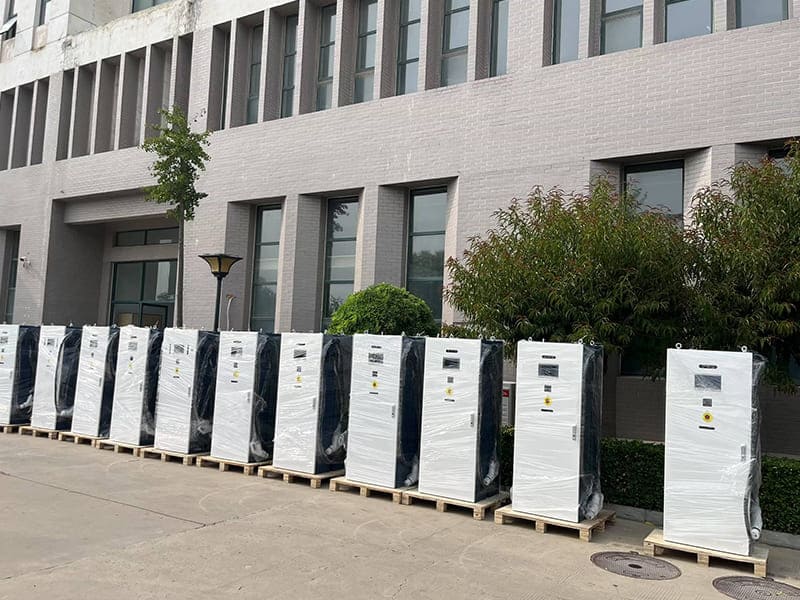
Labor constitutes a major cost portion. Installation complexity directly influences this. Simple residential setups are less expensive. However, commercial installations demand more work. They often involve multiple charging units. Consequently, they have a higher EV charging station installation cost. Permitting and inspection coordination also add time. Professional electrician rates vary by region. Urban areas typically have higher labor costs. Furthermore, specialized training for DC installers costs more. Therefore, obtaining multiple quotes is wise. This practice ensures competitive and fair pricing.
Ongoing Operational Expenses
Operational costs follow the initial installation. Software subscriptions are a recurring fee. Network access fees for public stations apply too. Regular maintenance ensures long-term reliability. These factors indirectly affect the total EV charging station installation cost. Energy consumption is another ongoing financial factor. Time-of-use electricity rates can influence profitability. Additionally, payment processing services incur fees. So, planning for these recurring expenses is critical. A comprehensive financial model includes them all.
Aegen’s Role in Managing Costs
As a manufacturer, Aegen helps manage these costs. The company supplies components and complete stations. Aegen offers free technical support services. Customization services are also available. This flexibility can optimize project budgets. Aegen partners with distributors and installers globally. The company also works with assembly firms. Aegen provides parts or full kits to them. Its products are used across continents. They are operational in Central Asia and Europe. Likewise, they serve the Middle East and South America. Aegen also produces EV charging testers. These tools aid installers and assemblers. They ensure system safety and performance. Therefore, using quality components from Aegen is beneficial. It can enhance value and control the EV charging station installation cost. What Are the Key Features of an Ideal EV Charging Station Level 2?
Government Incentives and Permits
Financial incentives can substantially offset expenses. Many governments offer grants or tax credits. These directly reduce the net EV charging station installation cost. However, the permitting process itself costs money. Permit fees vary by local jurisdiction. Navigating regulations requires time and expertise. Sometimes, professional help is needed. This assistance ensures code compliance. Furthermore, incentive programs have specific requirements. Meeting these criteria is essential for funding. Thus, researching available subsidies is a key step. This research can lead to significant savings.
Long-Term Value and Conclusion
In conclusion, the EV charging station installation cost is multifaceted. Key factors include hardware, labor, and site work. Operational expenses and incentives also play roles. Partnering with experienced suppliers is advantageous. Companies like Aegen provide crucial components and support. Careful planning and professional advice are indispensable. They help navigate the complex cost structure. Ultimately, informed decisions lead to better investments. This ensures sustainable and economical EV infrastructure growth.