
Aegen often explains charging station differences. Many clients ask us this question. We will clarify it today. Importantly, a hardwired EV charging station offers a permanent solution. Alternatively, plug-in units give more flexibility. This guide compares both types thoroughly.
Understanding Installation and Connection
First, consider installation methods. A plug-in station uses a standard outlet. You can connect it easily yourself. Conversely, a hardwired EV charging station requires professional installation. An electrician must fix it directly. Therefore, the hardwired version is more permanent. However, plug-in models allow easy relocation.
Primary Applications and Settings
Next, review common applications. Aegen provides solutions for many settings. For example, we serve residential areas and public garages. Similarly, commercial parking lots use our stations. Businesses also prefer them for nightly charging. Consequently, our commercial AC EV chargers fit here perfectly. They offer Type1, Type2, GB/T, and NACS plugs. Moreover, they come in single or dual-gun designs. Available power levels are 7kw, 11kw, and 22kw.
Exploring Aegen’s Product Range
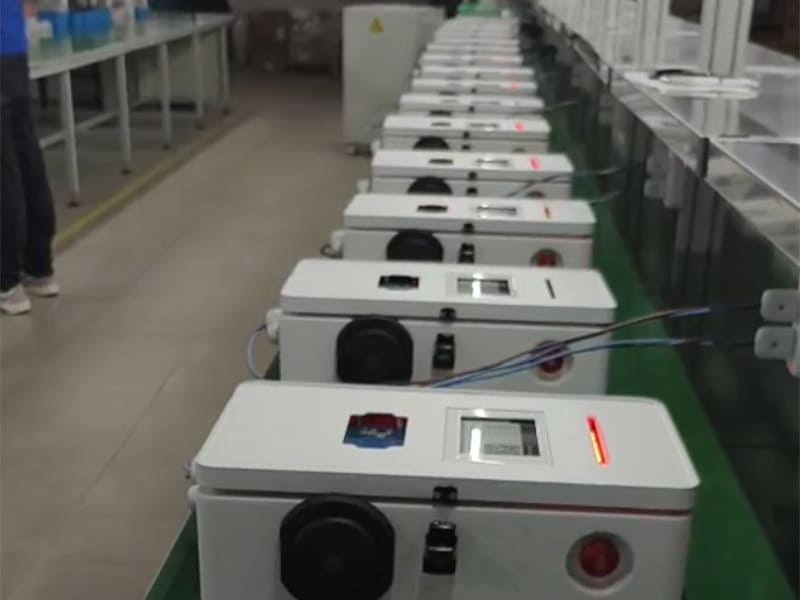
Now, let’s explore our product lineup. We offer various chargers for different needs. Firstly, we have home wall-mounted units. They come in 7kw, 11kw, and 22kw options. However, charging time is generally longer. Secondly, we provide portable EV chargers. Their power is 3.5kw, 7kw, or 11kw. So, you can carry them in your car conveniently. Ultimately, a hardwired EV charging station suits fixed locations best.
Key Benefits of Hardwired Stations
Furthermore, hardwired models have distinct advantages. They typically enable higher power delivery. Also, they feature enhanced safety and reliability. The connection is secure and less prone to wear. Therefore, many property managers choose a hardwired Electric Vehicle charging station. It reduces tampering risks significantly. Moreover, it often has a sleeker, built-in appearance. Consequently, it adds value to the property.
Advantages of Plug-In Charging Stations
On the other hand, plug-in stations are very versatile. You can install them without an electrician usually. So, they are perfect for renters or temporary setups. Additionally, you can take them when you move. However, they may offer lower maximum power. Also, the plug can wear out over time. Nonetheless, they provide excellent convenience for many. Reduce Your Carbon Footprint: The Ultimate Guide to Solar Panel EV Charging Station.
Why Choose Aegen as Your Provider?
Aegen manufactures complete stations and components. We also offer free technical support consistently. Moreover, we provide full customization services. We partner with many distributors and installers globally. Our products sell across continents successfully. They are in use from Europe to South America. Consequently, clients highly recognize our quality. A reliable hardwired EV charging station is our specialty.
Making the Right Choice for Your Needs
Finally, how do you decide between them? Consider your parking situation first. Is it a permanent home or a rental property? Also, think about your required charging speed. For faster, fixed charging, choose a hardwired EV charging station. For portability, select a plug-in model. Aegen can advise you on the best option. We understand every situation is unique. Therefore, we tailor our advice to your specific needs.
In summary, both types have important roles. Your specific needs determine the best choice. A permanent hardwired EV charging station offers power and safety. A plug-in model offers flexibility and ease. Aegen provides high-quality versions of both. We ensure you find the perfect charging solution. Contact us today for more personalized information.