
An optimal EV charging station layout is crucial for efficiency. It balances speed, space, and cost. This article explores the best planning principles. We will also share our own effective solutions. Commercial stations mainly include fast DC types. There are also AC stations and solar-storage options. Aegen provides the most cost-effective stations. They suit home, business, and fleet use perfectly.
Core Principles of Effective Planning
First, understanding driver behavior is essential. Consequently, station placement must match dwell times. For instance, fast EV chargers belong along highways. Meanwhile, slower AC units fit well at offices. Similarly, power capacity dictates the final EV charging station layout. Therefore, electrical infrastructure is a primary concern.
Furthermore, efficient traffic flow is non-negotiable. Specifically, drivers need clear access and exit routes. Additionally, proper signage prevents internal congestion. Moreover, future expansion must remain possible. So, leaving space for more chargers is wise. Thus, a flexible design serves long-term needs.
Matching Charger Type to Location
Next, we must match the technology to its purpose. For example, our simple 20kw/30kw DC charger is versatile. It suits both commercial and home use. You can start it with one button. Operation is very simple. Charging speed is remarkably fast. It offers high cost-effectiveness. It is especially suitable for fleets. Install it in residential areas. It works perfectly at workplaces too. Its speed is highly commendable. We strongly recommend this DC model.
Conversely, our commercial DC EV fast charging stations serve high-demand areas. They range from 20kw to 320kw. They feature dual or even four connectors. We also offer split-type units for large lots. Connector types include CCS2, CCS1, and GB/T. CHAdeMO and NACS are also available. They fit various vehicle models. Therefore, the resulting EV charging station layout must accommodate this hardware.
Strategic Site Selection
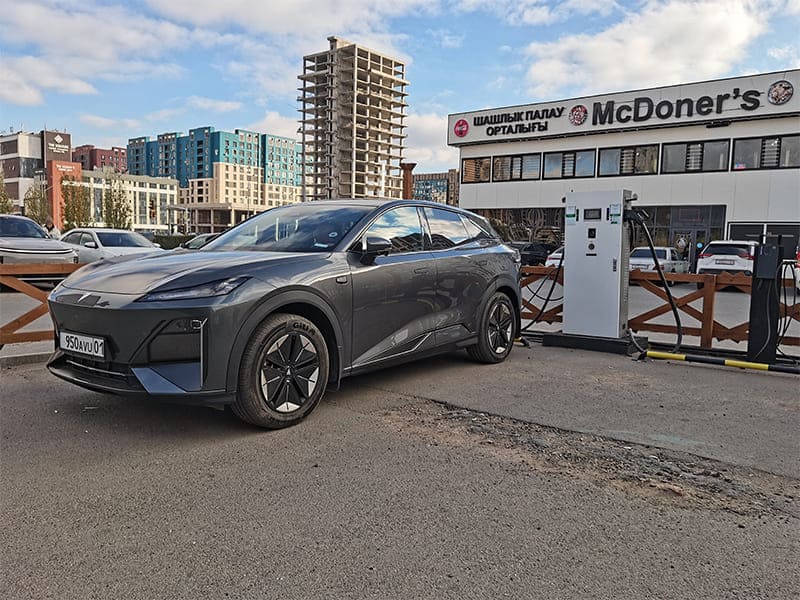
So, where should these stations go? Primarily, target high-traffic retail and service centers. These include large supermarkets and shopping malls. Also, consider transportation hubs and dense areas. Airports and train stations are ideal. Major highway service areas are perfect. Urban parking lots are also key.
Similarly, daily commute hubs are excellent locations. Corporate office parks are great candidates. Government agencies can also benefit. Residential areas and hotels are suitable. Furthermore, fleet and dedicated sites are necessary. Logistics centers desperately need charging. Taxi stands and bus depots are prime spots. Car dealerships are natural fits.
Finally, leisure and entertainment venues matter. Restaurants and cinicas can attract customers. Stadiums and tourist景点 also apply. Each site demands a unique EV charger station layout.
The Role of AC Chargers in the Ecosystem
However, DC fast charging is not always required. Sometimes slower AC charging is sufficient. Our AC business EV charger applies to garages. Models include 7kw, 11kw, and 22kw. Plug types are Type1, Type2, and GB/T. NACS is also supported. You can choose dual-gun or single-gun plugs.
Therefore, these serve different primary scenes. Public parking in residential areas is one. Workplaces allowing long stops are another. Essentially, any location enabling lengthy charging works. This variety influences the overall Electric Vehicle charging station layout. A good mix of AC and DC maximizes asset use.
Aegen’s Cost-Effectiveness Secret
Why are Aegen’s charging stations so cost-effective? The reason is our in-house research and development. Specifically, Aegen self-developed the core charging control unit (CCU). This is the essential component. Many companies buy our CCU, PCU, and OCU. They use them to assemble their own chargers. This innovation lets us control quality and cost. It directly impacts a practical EV charging station layout. The Growth of EV Charging Stations in Europe: Statistics and Trends
Implementing the Layout in Practice
Now, let’s discuss practical implementation. Initially, conduct a thorough site assessment. Analyze the existing electrical supply first. Then, forecast the expected daily demand. After that, choose the appropriate charger mix. Remember to plan for adequate queuing space.
Subsequently, consider the user experience carefully. Install clear payment instructions visibly. Ensure lighting and safety are excellent. Also, provide routine maintenance access. Hence, a successful EV charging station layout considers all factors. It is not just about equipment placement.
In conclusion, the optimal layout integrates many elements. It combines technology, location, and design. Aegen’s products offer versatile solutions. From simple home units to large commercial systems, we serve every need. Ultimately, a strategic EV charging station layout ensures maximum efficiency and user satisfaction. It is the foundation for a reliable charging network.