
The expansion of the EV charging station Germany network requires clear plug standards. Drivers need reliable compatibility across the country. This guide explains the primary connectors used. Understanding these plugs is essential for all users. It ensures smooth electric vehicle charging experiences nationwide.
Primary AC Charging Connectors
Firstly, Type 2 is the standard AC plug in Germany. Consequently, most public AC points feature this connector. Typically, these EV charging station Germany points offer up to 22 kW. Moreover, all new European electric cars use this socket. Therefore, compatibility is virtually universal for modern vehicles. Additionally, many home chargers utilize this reliable plug type.
Furthermore, the older Type 1 plug is less common now. However, some older Asian import models may use it. So, drivers often require a simple adapter cable. Ultimately, the Type 2 connector dominates the AC landscape. This standardization simplifies public charging significantly. It reduces confusion at most national charging locations.
Dominant DC EV Fast Charging Station Standards
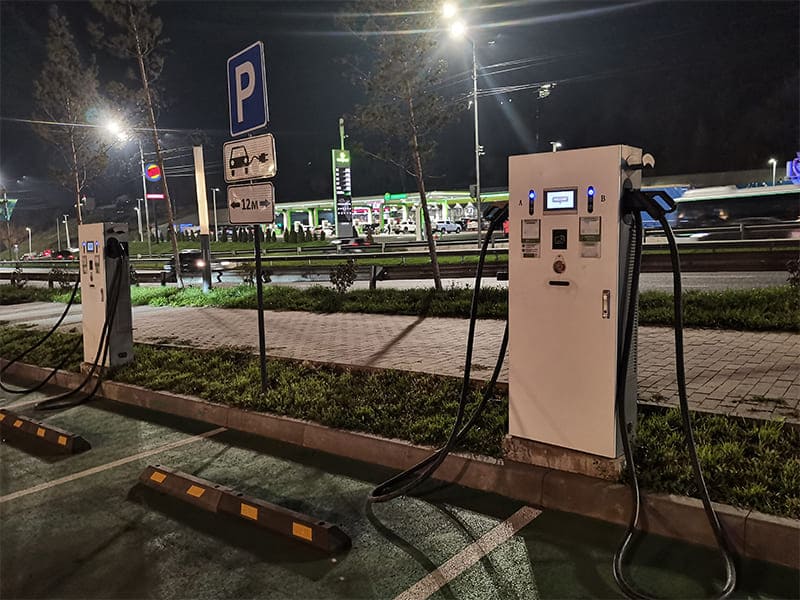
Secondly, CCS (Combined Charging System) is the major DC standard. Specifically, the CCS Combo 2 plug is mandatory in Germany. Thus, nearly every DC EV charging station Germany provides it. This plug combines Type 2 AC with two DC contacts. As a result, it enables very high-power fast charging sessions. Notably, power levels can exceed 300 kW at modern hubs.
Meanwhile, the CHAdeMO standard is less prevalent. Initially, it was used by Japanese manufacturers like Nissan. However, its network presence is now declining significantly. Consequently, new stations rarely install this connector type. So, most DC EV charging station relies on the robust CCS system. This trend strengthens across the European Union market.
Other Specialized Connectors
Additionally, Tesla operates its own Supercharger network. Traditionally, these used a proprietary Tesla connector. Nevertheless, newer sites now also include CCS Combo 2 plugs. Therefore, non-Tesla drivers can access select stations. Similarly, some sites still offer the basic household Schuko socket. However, this is very slow and not recommended routinely.
The Role Of Manufacturers Like Aegen
Moreover, companies like Aegen support this infrastructure globally. Aegen supplies crucial charging station components and full units. They offer free technical support and customization services. Consequently, they partner with installers and assembly firms worldwide. Their products serve commercial and home EV charging station Germany projects. Furthermore, their parts are used in active stations across Europe.
Aegen also manufactures reliable EV charger testers. These tools are vital for installation and assembly companies. So, they ensure safety and performance standards are met. Their components reach markets in Central Asia and South America. Ultimately, such manufacturers enable network reliability and growth. Is an EV Charging Station Business for Sale a Good Investment Right Now?
Future Outlook And Compatibility
Looking ahead, plug standardization will continue evolving. The EV charging station Germany network is adopting new technologies. For instance, higher power CCS upgrades are already underway. Meanwhile, wireless charging may become relevant later. However, wired connectors will remain dominant for years. So, understanding current plugs remains highly important.
In conclusion, Type 2 and CCS Combo 2 are essential. They define the modern EV charging station Germany experience. Finally, always check your vehicle’s port before traveling. This simple step prevents unnecessary charging difficulties. The national infrastructure is becoming more cohesive daily.