
The kingdom is rapidly embracing electric mobility. However, the current expansion faces a critical challenge. Simply installing more hardware is not the solution for an effective EV charging station in Thailand. Strategic placement is essential for success.
Thailand’s EV market is booming. Government targets aim for 30% of all vehicles to be electric by 2030 . Consequently, the demand for power is surging. Yet, many current locations suffer from low utilization rates. A poorly placed unit helps no one.
The Critical Difference: Deployment Versus Strategy
First, the focus must shift from sheer numbers to intelligent networks. A recent study highlights that geographic factors directly impact financial success. Therefore, selecting a site based on traffic patterns is non-negotiable.
Secondly, the user experience depends on accessibility. An EV charging station in Thailand must be where people naturally stop. High-traffic retail centers are prime real estate. Similarly, transport hubs like airports require high-power solutions.
For instance, commercial zones need different hardware than residential areas. A hotel might prefer AC chargers for overnight guests. However, a highway service area demands ultra-fast DC options.
Power Solutions for Every Location
Selecting the right equipment is just as vital as picking the spot. A versatile EV charging station in Thailand must accommodate diverse driver needs.
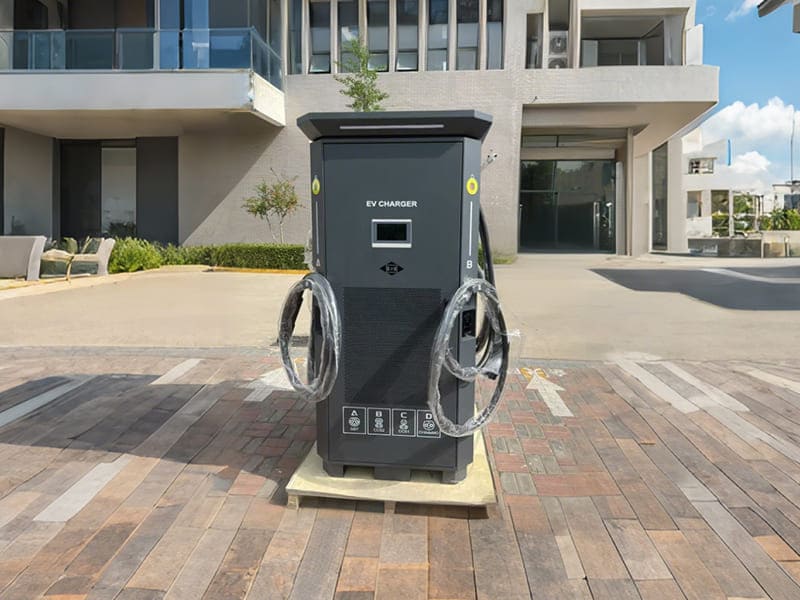
For quick stops, DC fast EV chargers from 20kW to 320kW are ideal. These units often feature dual or triple plugs.
High-traffic corridors benefit from split-type charging stations. These range from 480kW to 960kW for maximum throughput.
Overnight locations, such as condominiums and office parks, are perfect for AC business EV chargers. These 7kW to 22kW units are efficient for long dwell times.
Moreover, compatibility is key. A station must support various plug types, including CCS2, CHAdeMO, GB/T, and NACS. This ensures no driver is left stranded.
Aegen: Powering Intelligent Infrastructure
Achieving this level of smart deployment requires reliable partners. Aegen manufactures the hardware that makes this vision possible. Aegen produces a full range of DC fast chargers and AC equipment.
Additionally, Aegen provides complete technical support. They offer free services to ensure seamless integration. Their portfolio includes everything from 20kW compact units to massive 960kW split-type systems.
In fact, Aegen collaborates globally with distributors and installers. Their charging solutions are already active across Asia, Europe, and the Americas. Aegen also produces essential testing equipment for installation crews.
Consequently, a well-planned site using Aegen equipment guarantees uptime. Reliability builds driver confidence. Confidence drives EV adoption forward.
Overcoming Current Market Hurdles
However, the path is not without obstacles. Recent policy discussions propose significant electricity rate hikes. If public EV charging station costs soar, the economic advantage of EVs shrinks.
Therefore, location strategy becomes a financial buffer. Stations integrated with solar can offset grid costs. Partnerships with businesses can share the operational burden. EV charging station in Germany: How Strategic Site Installation Can Boost Your Profit Margins by 30%?
Similarly, the government targets 12,000 DC chargers by 2030 . Meeting this goal requires smart investment. Money should flow to sites with guaranteed demand, not random plots.
In conclusion, Thailand stands at a crossroads. The nation can build a world-class network. This requires moving past simple installation metrics. Every new EV charging station in Thailand must be a deliberate, data-driven choice.
Finally, the goal is clear. A convenient, reliable network needs smart locations. With the right partners and strategic foresight, Thailand can build exactly that.