
The cost of EV charging station installation varies widely. Multiple technical and logistical factors drive expenses. This analysis explores these key determinants.
Hardware Specifications and Power Capacity
Firstly, hardware choice is a primary cost driver. Commercial DC fast EV chargers represent a major investment. Units range from 20kW-40kW models to 120kW-240kW types. Higher-power stations, like 60kW-320kW models, cost significantly more. Subsequently, charger configuration also affects price. Dual, triple, or quadruple gun stations increase complexity. Consequently, they raise the cost of EV charging station installation. Furthermore, split-type systems for large lots are expensive. These require substantial electrical infrastructure upgrades. Therefore, power capacity is a crucial financial factor.
Connector Types and Vehicle Compatibility
Moreover, connector types influence upfront costs. Stations may offer CCS2, CCS1, or GB/T standards. Additionally, CHAdeMO and NACS connectors are common options. Supporting multiple standards increases hardware expenses. Thus, it elevates the cost of Electric Vehicle charging station installation. Operators must consider local vehicle fleets. Compatibility demands can dictate connector choices. Ultimately, this impacts the initial hardware budget.
Site Selection and Electrical Infrastructure
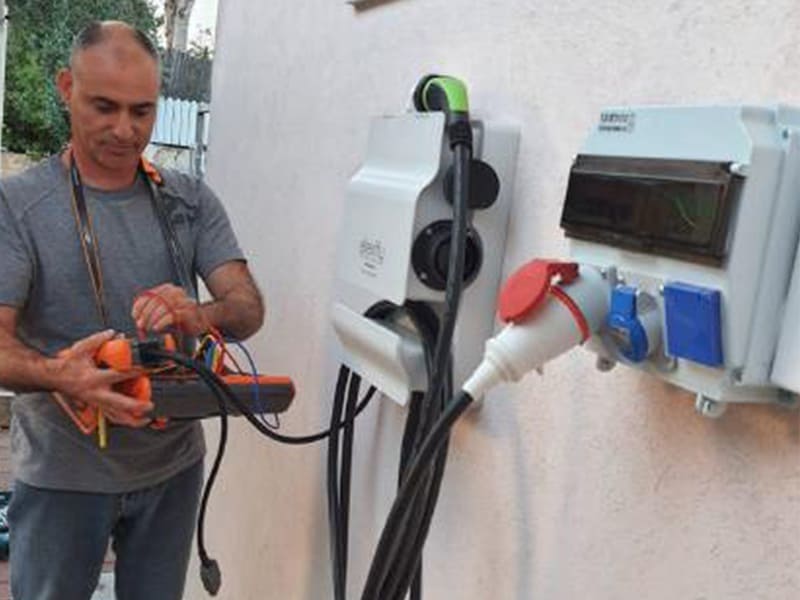
Site location is another major factor. Importantly, existing electrical service is critical. Many sites need service panel upgrades. Consequently, this increases the cost of EV charging station installation. Furthermore, trenching for conduit is often necessary. Distance from the utility meter adds expense. Similarly, transformer upgrades are sometimes required. These are often the largest cost components. Additionally, high-traffic retail centers face challenges. Shopping malls and supermarkets may need grid reinforcements. Likewise, transportation hubs like airports have high costs. Highway service areas often require extensive work.
Installation Labor and Regulatory Compliance
Labor costs also contribute significantly. Certified electricians are essential for safety. Their rates directly affect project totals. Moreover, permitting and inspections add fees. Each municipality has different code requirements. Compliance therefore influences the cost of Electric Vehicle charging station installation. Furthermore, utility interconnection studies cause delays. They also add to the overall project expense. Similarly, network integration needs specialized technicians. This is another labor cost consideration. What are the different types and how to EV charging stations work for each?
Commercial vs. Residential Charger Costs
Different applications have different cost structures. For example, commercial AC EV chargers cost less. These 7kW to 22kW units suit garages. They often use Type 1 or Type 2 connectors. Conversely, the cost of EV charging station installation for DC units is higher. A 20kW/30kW plug-and-play model is simpler. It suits fleets and workplaces well. Nevertheless, even residential site costs can surprise. Multi-unit dwellings need careful planning. Thus, application scope always matters.
Operational Locations and Use Cases
Finally, intended use shapes the budget. Fleet depots like logistics centers have specific needs. Taxi queues and bus stations require robust systems. Meanwhile, corporate campuses allow for slower charging. Entertainment venues like stadiums need high availability. Tourist attractions may prioritize reliability. Each scenario affects the cost of EV charging station installation uniquely. Therefore, a clear operational plan is vital. It ensures the selected station matches both needs and budget, controlling the final cost of EV charging station installation.