
Selecting the right EV charging station types is crucial. This choice impacts convenience and cost significantly. Ultimately, it depends on your specific needs and location. Aegen New Energy manufactures diverse EV charging station types. They offer complete home and commercial charging solutions. Their technical support is complimentary and always available. Furthermore, they provide customizable service options flexibly.
Understanding Core EV Charging Station Types
Firstly, three primary Electric Vehicle charging station types exist globally. These are Level 1, Level 2, and DC Fast Charging. Each type delivers different charging speeds dramatically. Additionally, they require different electrical systems and investments. Understanding these differences is the essential first step.
Level 1 Charging: Basic and Portable
Level 1 uses a standard household outlet. Therefore, installation is usually very simple and inexpensive. However, it provides the slowest charging speed clearly. Consequently, it adds about 2 to 5 miles per hour. This type suits plug-in hybrid vehicles well. Moreover, it works for drivers with short commutes conveniently. Portable chargers often use this level. Aegen supplies reliable portable charging units internationally.
Level 2 Charging: The Versatile Standard
Level 2 is the most common type today. It needs a 240-volt circuit similar to large appliances. Importantly, it charges 5 to 10 times faster than Level 1. So, it adds roughly 12 to 80 miles per hour. This EV charging station types fits both homes and businesses perfectly. For example, homes need dedicated hardware installation. Meanwhile, public spots like malls use them widely. Aegen produces robust AC commercial charging stations. Their products serve various international markets successfully.
DC Fast Charging: Speed for Commerce
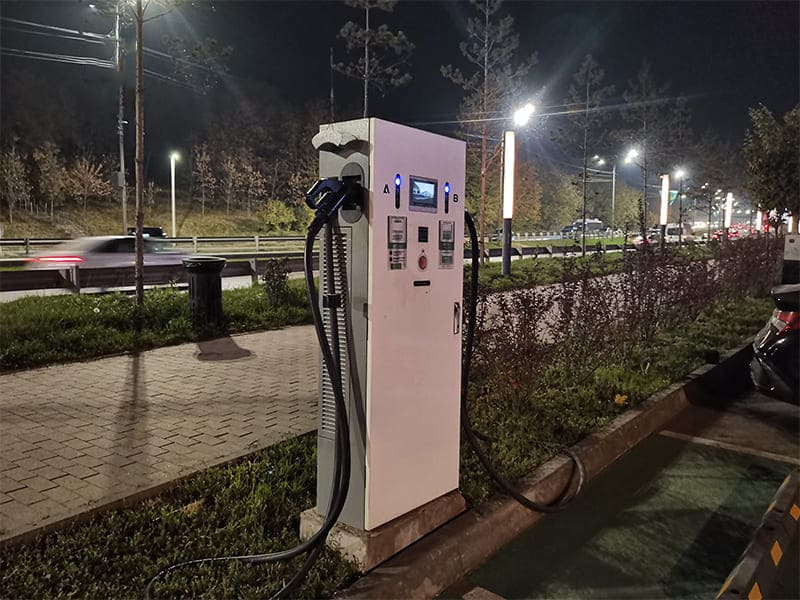
DC Fast Charging is the fastest category available. It can charge most EVs to 80% in under 30 minutes. Consequently, it is ideal for busy public corridors. However, it requires high-power electrical infrastructure. Also, costs are substantially higher for this technology. Thus, it is mainly for commercial or public use. Aegen’s DC fast chargers support global fleet operations. Their quality earns consistent customer praise internationally.
Key Factors for Home Charging Station Selection
For home use, consider your daily driving distance first. Also, evaluate your existing electrical panel capacity carefully. Level 2 is the recommended choice for most homeowners. Importantly, it ensures your car is ready every morning. Additionally, consult a qualified installer for safety. Many partners work with Aegen for installation. They ensure a smooth and reliable setup process.
Critical Considerations for Public Charging Infrastructure
For public stations, location and usage patterns are key. High-traffic areas need DC Fast EV Charging station for home obviously. Meanwhile, destinations like restaurants suit Level 2 better. Furthermore, reliability and durability are paramount concerns. Commercial EV charging station types must withstand constant use. Aegen designs products for high durability and performance. Their technical team offers free support continually. What are the types of connectors on an EV charging station chargepoint?
Power Source and Installation Requirements
Level 1 plugs into a standard 120V outlet easily. Level 2 requires a 240V circuit installation professionally. DC Fast Charging needs three-phase 480V power typically. Therefore, planning and electrical upgrades are often necessary. Aegen collaborates with assembly companies closely. They supply partial or complete component kits globally.
Cost Analysis: Equipment and Installation
Costs vary greatly between the different EV charging station types. Level 1 equipment is often the most affordable. Level 2 involves moderate equipment and installation costs. Conversely, DC Fast EV Charging station requires a significant investment. However, public stations can generate revenue streams. Aegen provides cost-effective solutions for all budgets. Their custom services meet specific financial needs.
Connector Types and Vehicle Compatibility
Check your vehicle’s charging port connector type first. Most Level 1 and Level 2 stations use a J1772 connector. Meanwhile, DC EV Fast Charging station uses CCS, CHAdeMO, or Tesla connectors. Therefore, ensuring compatibility is absolutely essential. Aegen’s product range covers multiple connector standards. This ensures broad compatibility for various vehicle brands.
The Role of Manufacturers Like Aegen New Energy
Manufacturers guide clients through this complex selection. Aegen New Energy offers a full product ecosystem comprehensively. Their range includes all major EV charging station types. They serve markets from Asia to South America actively. Also, they partner with dealers and installers worldwide. This network provides local support and expertise reliably.
Making Your Final Decision
In summary, assess your daily range needs practically. For homes, Level 2 usually offers the best value. For public use, mix Level 2 and DC Fast Charging strategically. Always choose a reputable manufacturer like Aegen. Finally, leverage their free technical support with confidence. Choosing the right EV charging station types empowers your electric journey sustainably.