
A successful EV charging station project begins with one critical decision: location. Selecting the right spot determines your revenue potential. It also impacts long-term utilization rates. Therefore, operators must analyze traffic patterns carefully. High-visibility areas attract more electric vehicle owners. Consequently, this boosts charging session frequency significantly.
Understanding Location Dynamics
Why High-Traffic Areas Matter
Foot traffic correlates directly with charger usage. For instance, stations near shopping centers see steady demand. Similarly, locations close to office buildings benefit from daily commuters. Hotels also provide excellent opportunities for overnight charging. Moreover, these spots offer convenience for drivers. As a result, your EV charging station project achieves higher profitability.
Key Sites for Maximum Exposure
Ideal locations include airports and major train stations. Highway service areas also generate consistent traffic. Furthermore, urban parking garages serve dense populations well. Entertainment venues like cinemas attract evening users. Therefore, integrating your Electric Vehicle charging station project into these spaces ensures visibility. Additionally, fleet depots require dedicated infrastructure for logistics.
Matching Equipment to Your EV Charging Station Project
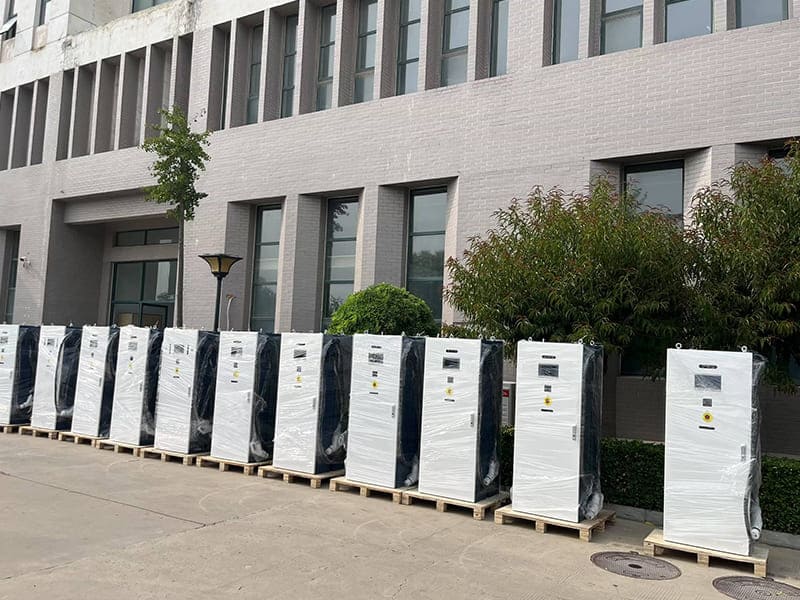
Selecting appropriate hardware is essential for success. Aegen, a leading manufacturer, provides reliable solutions. Their DC EV fast chargers range from 20kW to 320kW. These units feature multiple plug types. Specifically, they support CCS2, CCS1, GB/T, CHAdeMO, and NACS. Consequently, they accommodate diverse vehicle models globally.
For locations with longer dwell times, AC business EV chargers are ideal. Aegen offers 7kW, 11kW, and 22kW options. These work perfectly in residential or workplace settings. They include Type 1, Type 2, and GB/T connectors. Thus, your EV charging station project can serve both fast and slow charging needs.
Strategic Applications Across Venues
Retail and Service Centers
Large supermarkets and home improvement stores are prime candidates. Shoppers appreciate topping up while purchasing goods. Similarly, restaurants and quick-service outlets benefit from shorter charging sessions. A dual-plug DC fast EV charging station maximizes throughput here. Therefore, your Electric Vehicle charging station project aligns with customer routines .
Transportation Hubs
Busy airports and railway stations require high-power solutions. Travelers need rapid charging before departing. Consequently, 60kW to 240kW units suit these environments. Aegen’s split-type chargers work well in sprawling parking areas. They support multiple vehicles simultaneously. Hence, your EV charging station project enhances traveler convenience .
Commercial and Fleet Operations
Corporate campuses and government buildings need reliable overnight charging. Logistics centers depend on depot-based infrastructure. Taxi stands and bus terminals require heavy-duty usage. Aegen provides customizable solutions for these scenarios. Their equipment ensures uptime and durability. Thus, your Electric Vehicle charging station project supports commercial electrification goals.
Technical Considerations for Implementation
Power Requirements and Grid Capacity
Assessing electrical infrastructure is a vital first step. DC fast chargers demand substantial power capacity. Therefore, collaborating with utility providers early is wise. Load management systems prevent grid overload. Additionally, they optimize energy costs during peak hours. A well-planned EV charging station project incorporates these elements seamlessly .
Connector Compatibility and User Experience
Offering multiple connector types improves accessibility. Aegen’s chargers include universal options for global markets. This flexibility attracts more drivers to your site. Moreover, user-friendly interfaces enhance satisfaction. Features like RFID and mobile app payments add convenience. Ultimately, your Electric Vehicle charging station project becomes a preferred choice.
Leveraging Aegen’s Expertise
Aegen manufactures complete charging systems and components. They provide free technical support to project developers. Customization services are also available upon request. Their partners include dealers and installers worldwide. Currently, Aegen equipment operates across Central Asia and the Middle East. It also serves Europe and South America reliably. Furthermore, they produce EV charging testers for installation teams. This comprehensive approach strengthens every EV charging station project.
Revenue Optimization Strategies
Pricing Models and Utilization
Dynamic pricing encourages off-peak usage. Offering subscriptions creates recurring income streams. Fleet partnerships guarantee minimum utilization levels. Consequently, these strategies maximize return on investment. A well-located Electric Vehicle charging station project achieves breakeven faster. EV Charging Station Pricing: How Location Determines Your Profit Potential?
Ancillary Revenue Opportunities
Integrating retail space adds significant value. Cafés or convenience stores attract customers during charging. Advertising on digital displays generates extra income. Additionally, vehicle services like tire checks complement the offering. Thus, your EV charging station project becomes a destination .
Future-Proofing Your Investment
Scalability should guide initial planning. Selecting expandable equipment saves future costs. Monitoring market trends ensures timely upgrades. For example, ultra-fast charging demand is rising globally. Therefore, designing your EV charging station project with growth in mind is prudent .
Conclusion
Choosing high-traffic locations is the cornerstone of success. Reliable partners like Aegen provide the necessary technology. Their global experience spans multiple continents and climates. By combining strategic site selection with quality hardware, operators thrive. Ultimately, a well-executed EV charging station project delivers sustainable revenue and supports the clean energy transition .