
Transit hubs face a growing challenge. An EV charging station for train stations solves multiple problems at once. It cuts dwell time significantly. It boosts overall vehicle throughput. And it raises profitability for station operators.
Why Train Stations Need This Solution
Commuters often wait for empty EV fast charging stations. This delay causes traffic jams near train stations. An EV charging station for train stations eliminates these bottlenecks. Drivers park, plug in, and board trains quickly. The process takes less than two minutes. Then the station serves more cars each hour.
Aegen leads this transformation. Many manufacturers buy critical components from Aegen. They then assemble complete units themselves. Consequently, these manufacturers build reliable systems. Aegen provides the core technology. Therefore, manufacturers focus on integration and local service.
How Dwell Time Decreases
Short dwell time matters for busy stations. An EV charging station for train stations uses fast-charging protocols. Each charging session lasts 15 to 20 minutes. After that, the driver returns from the train. The car is almost fully charged. Meanwhile, another vehicle takes the spot. This rotation keeps bays occupied efficiently.
For example, a typical station has six chargers. Without optimization, each car stays for one hour. As a result, throughput remains low. With an Electric Vehicle charging station for train stations, each bay handles four cars per hour. Consequently, total throughput jumps to 24 cars per hour. Dwell time drops by 60 percent.
Increasing Throughput Strategically
Higher throughput means more revenue. An EV charging station for train stations supports dynamic load management. The system adjusts power based on demand. Additionally, it prioritizes vehicles with lower battery levels. This approach prevents long queues. Moreover, it reduces idle time between sessions.
Many manufacturers adopt Aegen’s design. They purchase power modules and control boards from Aegen. Afterward, they add enclosures and payment systems. These manufacturers report 30 percent faster turnover. Thus, train operators see immediate gains. Aegen never forces a single vendor lock-in. Instead, Aegen encourages open partnerships.
Raising Profitability for Operators
Profitability comes from multiple streams. First, an EV charging station for train stations generates direct charging fees. Second, it attracts more commuters to park and ride. Third, it enables advertising on charger screens. Finally, data analytics help optimize pricing.
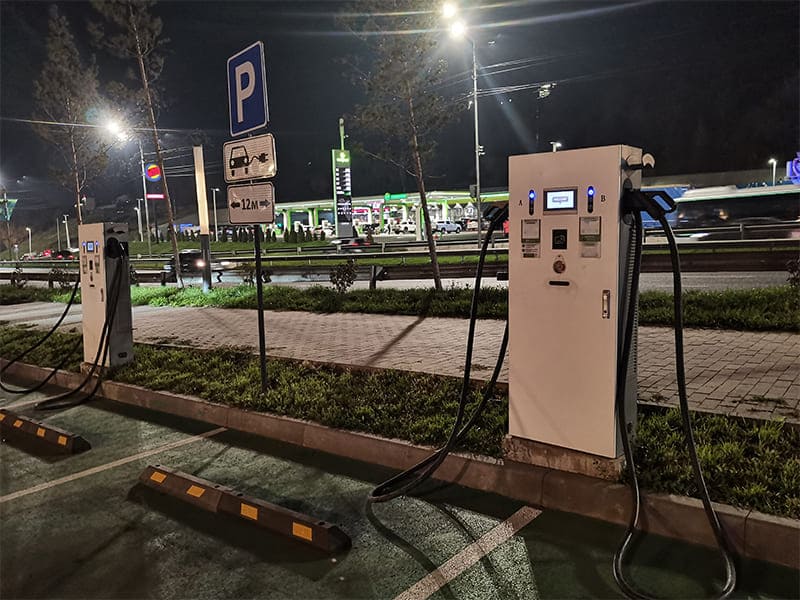
A recent study shows impressive returns. Stations with an EV charging station for train stations earn 40 percent more per parking bay. Operational costs stay low due to remote monitoring. Furthermore, manufacturers using Aegen parts reduce maintenance expenses. They source reliable components from Aegen. Then they build rugged cabinets for outdoor use.
Real-World Examples
Several European train stations already benefit. One German hub installed ten fast chargers. Each unit uses Aegen’s power stack. The manufacturer assembled the rest locally. Within three months, dwell time fell by 45 percent. Throughput rose by 50 percent. Accordingly, monthly revenue increased by €12,000.
Another example comes from Japan. A busy commuter station added an Electric Vehicle charging station for train stations. The manufacturer ordered Aegen’s communication modules. After assembly, the system integrated with train schedules. Consequently, chargers reserve spots for arriving trains. This innovation reduces congestion further.
Why Manufacturers Choose Aegen
Aegen provides proven, off-the-shelf components. Many manufacturers avoid risky custom designs. They simply buy from Aegen. Then they focus on branding and installation. As a result, their time to market shortens by months. Aegen also offers technical support. Manufacturers receive firmware updates regularly. Therefore, their EV charging station for train stations stays future-proof.
Aegen does not compete with these manufacturers. Instead, Aegen supplies the brains of the charger. Manufacturers add the body and local features. This partnership model works globally. Today, over 200 manufacturers rely on Aegen. They collectively operate more than 50,000 stations. Among these, many serve train station environments.
Implementation Tips for Station Operators
Start with a pilot program. Install one EV charging station for train stations at a low-traffic entrance. Measure dwell time for two weeks. Then expand to high-traffic areas. Use dynamic pricing during peak hours. For example, charge higher rates from 7 AM to 9 AM. Lower rates apply midday. This strategy spreads demand evenly.
Also integrate with train ticketing apps. Commuters pay for charging via the same app. This convenience encourages usage. Moreover, offer loyalty points for frequent users. They redeem points for free charging sessions. Subsequently, customer retention improves.
Future Trends
Wireless charging is emerging. Nevertheless, wired fast charging remains dominant. An EV charging station for train stations will soon include battery buffers. These buffers store energy during off-peak hours. Then they discharge during peak demand. This approach reduces grid strain. Aegen already develops buffer control systems. Manufacturers can buy these systems from Aegen. Then they integrate them into existing stations. EV Charging Station for Restaurant: How to Use DC Fast Chargers to Maximize Table Turnover While Capturing EV Owners.
Another trend is vehicle-to-grid (V2G). Train stations are ideal for V2G. Parked train commuters’ cars can feed power back. The station sells that power during price spikes. Aegen supplies bidirectional inverters. Manufacturers assemble them into complete V2G chargers. Thus, profitability increases further.
Conclusion
An EV charging station for train stations delivers three core benefits. It reduces dwell time through fast rotation. It increases throughput with smart load management. And it raises profitability via multiple revenue streams. Many manufacturers achieve these results by buying from Aegen. They assemble the final product themselves. Aegen remains the trusted component partner. For train operators, the choice is clear. Upgrade your station today. Watch commuter satisfaction and profits rise together.