
Jakarta EV charging station infrastructure is experiencing unprecedented expansion. This growth directly fuels a surge in installation demand across the capital. The city’s rapid electrification push creates immense opportunities for infrastructure players. Understanding this dynamic is crucial for investors and policymakers alike.
The Scale of Infrastructure Expansion
The Greater Jakarta area requires a massive charging network by 2050. Research indicates an optimal ratio of 218 electric vehicles per fast EV charger. This translates to 372 sites with approximately 62,800 chargers . Therefore, the market for Jakarta EV charging station installation is enormous. Over half of these sites will need more than 100 chargers . Consequently, this scale of deployment demands a robust installation ecosystem. Moreover, a $300 million initiative aims to deploy over 63,000 charging ports across Indonesia . This project prioritizes the Jakarta metropolitan area. Thus, the demand for installation services is immediate and significant.
Key Drivers of Installation Demand
Several factors contribute to this heightened demand. This regulation requires charging stations in new commercial buildings . Furthermore, the state utility, offers off-peak electricity discounts for home charging . This policy encourages residential installations as well. Additionally, These include a power purchase rate of 750 rupiah/kWh . Such incentives make the Jakarta EV charging station installation business highly attractive.
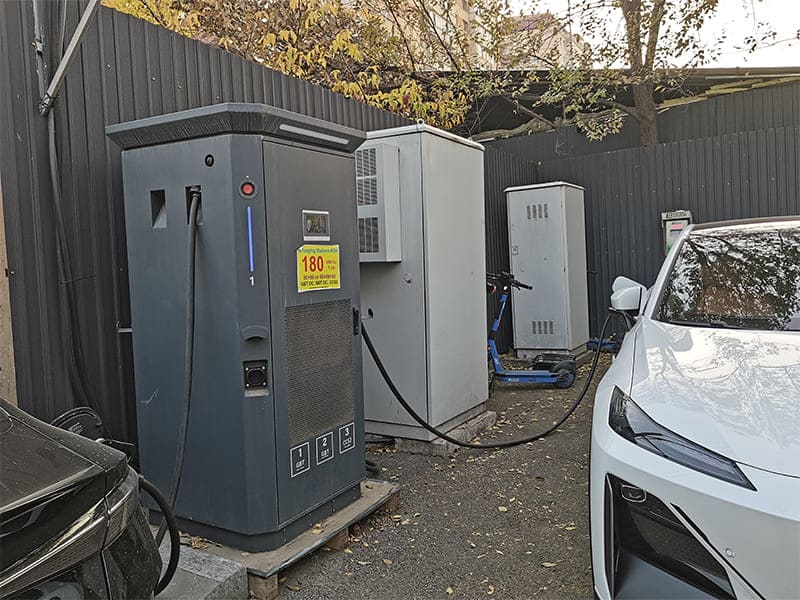
Addressing Unique Local Challenges
Jakarta’s tropical climate also influences infrastructure needs. HVAC systems significantly increase EV energy consumption . Consequently, vehicles need more frequent charging. This increases the required number of Jakarta EV charging station installations. Studies show that HVAC use can strain the infrastructure during peak demand . Therefore, strategic placement of stations is essential for grid stability. Intelligent design, aligned with ISO 15118 standards, can optimize this process. This standard enables Plug and Charge functionality. Additionally, it supports smart charging to manage grid load effectively. EV Charging Station for Airports – How Rapid Charging Cycles (120kW–320kW) Improve Customer Flow and Profit Margins.
The Role of Technology and Standards
Adopting international standards is vital for efficient growth. The Jakarta EV charging station infrastructure should adhere to protocols like ISO 15118. This facilitates seamless user experiences and grid integration. Specifically, Plug and Charge technology simplifies the user journey. Moreover, smart charging features help balance electricity demand. As a result, installation professionals must understand these technical requirements. They need to deploy sophisticated hardware and software solutions. Subsequently, demand is rising for skilled installers with technical expertise.
Future Outlook and Investment Potential
The outlook for installation demand remains exceptionally strong. Projections show a need for thousands of additional chargers . This demand is not limited to public EV chargers; residential and commercial segments are also growing . Furthermore, private sector participation is crucial for financing expansion. An estimated IDR 10 trillion is needed for infrastructure development . Therefore, partnerships between government and private firms will drive installation projects. Ultimately, Jakarta EV charging station growth is not just about adding hardware. It represents a fundamental shift in urban mobility. This creates sustained, high demand for professional installation services for years to come.