
Understanding EV charging station cost is the first step to profitability. Many investors rush in. They often overlook critical financial details. Smart planning changes everything. This article reveals key strategies. You will learn to maximize returns. Let’s explore the numbers now.
The Hidden Truth About EV Charging Station Cost
EV charging station cost varies widely. It depends on equipment type. Installation complexity matters too. Moreover, local regulations affect pricing. For instance, Aegen offers diverse solutions. Their 20-30kW DC fast charger is affordable. It suits both homes and businesses. This unit simplifies operations. It charges quickly and reliably. Therefore, Electric Vehicle charging station cost becomes manageable here.
Additionally, commercial DC fast EV chargers range broadly. Options include 20-40kW, 60-120kW, and 120-240kW models. Some even reach 320kW. They feature dual, triple, or quad plugs. Connector types cover CCS2, CCS1, GB/T, CHAdeMO, and NACS. Consequently, EV charger station cost aligns with capacity and features. Higher power means higher investment. However, it attracts more users.
Matching Stations to Locations
Placement determines success. High-traffic retail centers work well. Think supermarkets and shopping malls. Home improvement stores also benefit. Transportation hubs are prime spots. Airports, train stations, and highway service areas fit perfectly. Urban parking lots offer steady demand. Furthermore, daily commuter zones matter. Office parks, government buildings, and hotels need chargers. Residential areas also require overnight options.
Fleet operators need dedicated stations. Logistics centers and taxi stands are ideal. Bus depots and car dealerships also qualify. Leisure venues complete the picture. Restaurants, cinemas, stadiums, and tourist sites attract visitors. Thus, EV charging station cost must match expected usage. High-use locations justify premium equipment.
AC Chargers: Affordable and Practical
AC business EV chargers suit garages well. Power levels include 7kW, 11kW, and 22kW. Connector types feature Type1, Type2, GB/T, and NACS. Both single-gun and dual-gun options exist. These are perfect for long-duration parking. Residential communities and corporate lots use them. Nighttime charging is their strength. Therefore, EV charging station cost remains lower here. Simpler installation reduces expenses. Yet they deliver reliable service.
Why Aegen Stands Out
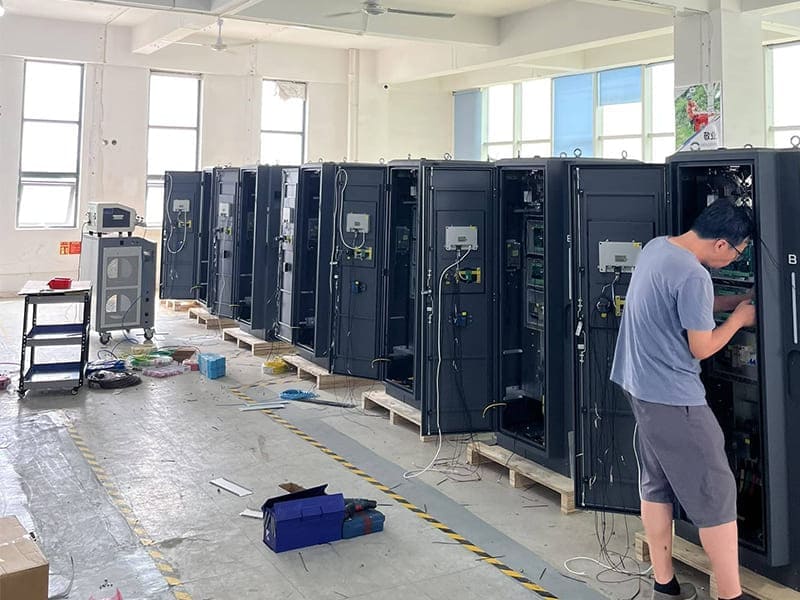
Aegen manufactures complete Electric Vehicle charging stations. They also supply set components. Technical support is free of charge. Customization services are available too. They collaborate with numerous dealers. Installation partners trust them. Assembly companies rely on their parts. Aegen’s products operate across middle Asia, the Middle East, Europe, and South America. They also produce EV charger testers. These tools assist installers and assemblers. Thus, understanding EV charger station cost becomes easier with Aegen. Their solutions balance quality and affordability.
Strategic Placement Lowers EV Charging Station Cost
Location directly impacts expenses. Land costs vary significantly. Construction fees differ by site. Existing electrical infrastructure helps. Retrofitting older buildings costs more. Meanwhile, new constructions allow optimization. Consequently, Electric Vehicle charging station cost drops with smart site selection. Proximity to power grids saves money. Shared amenities reduce overhead. Collaboration with property owners helps too.
Moreover, demand patterns influence profitability. Analyzing traffic data is essential. Peak hours determine revenue. Off-peak usage can be encouraged. Pricing strategies must adapt. Therefore, EV charger station cost recovery accelerates. Investors see faster returns. Maintenance becomes predictable.
Equipment Choices Affect EV Charging Station Cost
Selecting the right charger matters. Low-power units cost less upfront. They suffice for overnight use. High-power DC chargers command premiums. Yet they serve more customers quickly. Multi-plug models increase versatility. They accommodate various vehicle brands. Hence, Electric Vehicle charging station cost reflects these decisions. Aegen’s catalog simplifies comparisons. Their testers ensure quality control. This prevents costly failures.
Furthermore, scalability is crucial. Start with essential units. Expand as demand grows. Modular designs support upgrades. Aegen offers customizable systems. This flexibility controls EV charger station cost over time. Investors avoid overspending initially.
Operational Expenses and EV Charging Station Cost
Running costs extend beyond installation. Electricity rates fluctuate. Maintenance contracts add up. Software updates require budgets. Customer support needs staffing. Nevertheless, efficient operations reduce Electric Vehicle charging station cost. Energy management systems help. Load balancing minimizes peak demand charges. Remote monitoring detects issues early. Preventive maintenance avoids breakdowns.
Additionally, payment processing fees exist. Transparent pricing builds trust. Loyalty programs encourage repeat visits. Partnerships with businesses drive traffic. Therefore, EV charger station cost becomes an investment, not a burden.
Government Incentives Offset EV Charging Station Cost
Many regions offer subsidies. Tax credits lower net expenses. Grants fund infrastructure projects. Rebates reward green initiatives. Consequently, Electric Vehicle charging station cost decreases significantly. Policymakers support electrification. Businesses should research local programs. Application processes require documentation. Professional consultants streamline this step. Aegen’s team provides guidance too. Their experience spans multiple continents. EV Charging Station Development: Why Location Is Everything for Profitability.
Future Trends and EV Charging Station Cost
Technology advances rapidly. Solid-state batteries emerge. Wireless charging develops. Solar integration grows. These innovations impact EV charger station cost. Early adoption offers competitive edges. However, proven solutions remain reliable. Balancing innovation with stability is wise.
Market competition intensifies. Prices gradually decline. Economies of scale benefit buyers. Standardization simplifies manufacturing. Hence, Electric Vehicle charging station cost will likely decrease. Smart investors monitor these shifts.
Conclusion: Master EV Charging Station Cost Today
Profitability hinges on knowledge. EV charger station cost determines feasibility. Strategic placement maximizes usage. Equipment selection aligns with demand. Operational efficiency preserves margins. Incentives improve financials. Aegen supports every step. Their products and expertise empower success.
Now is the time to act. Evaluate your goals. Analyze potential sites. Calculate EV charging station cost accurately. Partner with reliable manufacturers. Implement smart charging networks. Watch your profits grow.