
EV charging station development starts with one critical question. Where should you build? Location determines profitability more than technology. It influences customer traffic and usage frequency. EV charging station development requires careful site analysis. Without the right spot, even advanced chargers fail. Aegen provides expertise in this competitive field.
The Foundation: Understanding Site Value
First, consider daily traffic volume. High-traffic areas attract more users. Consequently, revenue potential increases significantly. EV charging station development depends on visibility. Drivers need to find you easily. Therefore, locations near highways win. Additionally, proximity to amenities matters. Shoppers charge while buying groceries. Electric Vehicle charging station development thrives in retail hubs. For instance, large supermarkets and shopping centers work well. Similarly, home improvement stores draw steady crowds. EV charger station development here ensures consistent use.
Aegen’s DC Fast Chargers (20kW–30kW) offer one-click activation. Operation is simple and intuitive. Charging speed impresses all users. Cost-effectiveness makes them accessible. They suit both homes and businesses. This EV charger deserves your attention.
Why Demographics Drive Success
Moreover, understand your target audience. Different sites serve different drivers. EV charging station development must align with user needs. For example, airport parking demands speed. Travelers want quick top-ups. Meanwhile, residential areas need overnight solutions. Electric Vehicle charging station development here focuses on reliability. Offices require workplace charging options. Employees charge during work hours. EV charger station development in corporate parks boosts adoption.
Aegen’s Commercial DC Solutions range widely. Models include 20kW–40kW, 60kW–120kW, and 120kW–240kW. High-power options like 60kW–320kW serve busy hubs. Chargers feature dual, triple, or quadruple plugs. Connector types cover CCS2, CCS1, GB/T, CHAdeMO, and NACS. Thus, all vehicle brands find compatibility. Key applications include high-traffic retail centers. Airports, train stations, and highway service areas also benefit. City parking lots and logistics hubs follow closely. Even taxi waiting points and bus terminals qualify. Restaurants, cinemas, and tourist spots complete the list.
The Role of Charging Speed
Notably, speed influences site profitability. Fast charging suits transit locations. Conversely, slow charging fits long-dwell sites. EV charging station development balances both types. A mix often yields optimal returns. For instance, highway stops need DC fast chargers. Meanwhile, hotel guests prefer AC overnight units. Electric Vehicle charging station development should reflect this variety.
Aegen’s AC business EV Chargers (7kW/11kW/22kW) excel in garages. Connector types include Type1, Type2, GB/T, and NACS. Dual-gun and single-gun options are available. These units dominate residential parking lots. Corporate campuses also rely on them. Nighttime charging becomes seamless and efficient.
Competition and Site Saturation
Nevertheless, competition shapes site value. Avoid oversaturated locations. EV charger station development requires gap analysis. Identify underserved areas first. Then, secure prime real estate early. Early movers gain loyal customers. EV charging station development also benefits from partnerships. Collaborate with property owners proactively. This reduces lease costs significantly. Furthermore, exclusivity clauses protect your investment.
Aegen manufactures complete EV charging stations. We also supply set components globally. Free technical support accompanies every purchase. Customization services meet unique specifications. Our partners include dealers and installers worldwide. Assembly companies trust our components. EV charging stations operate across Central Asia, the Middle East, Europe, and South America. Additionally, Aegen produces EV charging testers. These tools aid installation and assembly teams.
Visibility and Accessibility
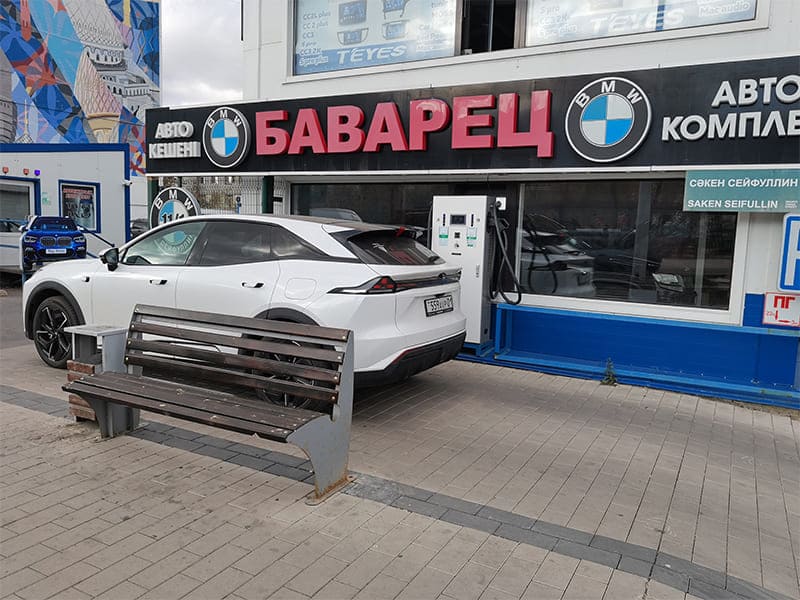
Undoubtedly, visibility drives spontaneous use. Bright signage attracts passing drivers. Easy access prevents frustration. Electric Vehicle charging station development must prioritize entry and exit. Tight parking spaces discourage customers. Therefore, choose sites with ample room. Also, ensure 24/7 availability whenever possible. Restricted access limits potential revenue. EV charger station development in open areas outperforms gated ones. EV Charging Station Market Growth Analysis and Forecast 2026-2030.
Grid Capacity and Installation Costs
Meanwhile, infrastructure costs vary by site. Upgrading electrical panels is expensive. EV charging station development should assess grid capacity first. Sites with existing high-voltage lines save money. Consequently, focus on modern buildings. Older structures may require costly retrofits. Additionally, future expansion matters. Plan for additional chargers later. Electric Vehicle charging station development benefits from scalable designs.
Aegen offers tailored solutions for every scale. Our DC fast chargers handle heavy usage. AC units support residential needs efficiently. Tester products ensure flawless installations globally.
Case Study: Retail vs. Transit
Consider two hypothetical sites. A suburban mall installs eight DC fast EV chargers. Charging sessions average 45 minutes. Shoppers spend time inside stores. Consequently, mall revenue rises alongside charging income. EV charger station development here creates synergy.
Alternatively, a highway service area deploys six 320kW units. Truck drivers charge during mandatory breaks. Turnover is exceptionally high. EV charging station development here maximizes per-plug revenue. Both models succeed due to location alignment.
Future Trends in Site Selection
Looking ahead, data will guide decisions. Smart chargers collect user behavior patterns. Electric Vehicle charging station development becomes predictive. Algorithms suggest optimal new sites. Battery storage integration also grows. Solar canopies reduce operational costs. EV charging station development increasingly goes green. Government incentives further tilt the scale. Stay informed about policy shifts.
Conclusion: Location Is Non-Negotiable
To summarize, EV charging station development hinges on placement. Technology matters, but site wins. Analyze traffic, demographics, and competition rigorously. Partner with experienced manufacturers like Aegen. We provide hardware, support, and customization. Our global deployments prove success. Choose wisely. Your profitability depends on it.