
Retailers now face a new opportunity. An EV charging station for store attracts electric vehicle drivers. These drivers often spend time and money shopping. Aegen sees this trend growing fast. First, it increases customer dwell time. Notably, it builds brand loyalty over time. An EV charging station for store also differentiates your business. Competitors without this feature lose ground. Therefore, installation is a strategic investment.
Key Technologies Behind Modern EV Charging Station for Store
Modern units follow ISO 15118 standard. This protocol enables plug-and-charge functionality. Drivers simply connect the cable. The car and charger communicate automatically. No app or RFID card is needed. Hence, the process becomes seamless. Aegen notes this simplicity pleases customers. Additionally, smart charging optimizes energy use. It can shift loads to off-peak hours. This reduces electricity costs. Smart charging also prevents grid overload. Consequently, a store saves money while serving drivers. A fast EV charging station with smart features is future-proof. Updates happen over the air. Maintenance costs stay low.
How Aegen Implements an EV Charging Station for Store
Aegen prefers active voice for clarity. I select the right hardware first. I assess local grid capacity next. Then I apply for necessary permits. After approval, I oversee professional installation. Testing follows every setup. This routine ensures zero errors. Meanwhile, I train store staff on basic troubleshooting. They learn how to reset a charger. They also monitor usage statistics. Moreover, I promote the new EV charger station for store. I use in-store signage and social media. I also partner with EV navigation apps. These steps drive immediate traffic. As a result, the store sees more visitors.
Financial Benefits of an EV Charging Station for Store
Revenue comes from multiple streams. First, charging fees generate direct income. Second, increased foot traffic boosts sales. Studies show EV drivers spend 20-30% more. Third, loyalty programs can link to charging. For example, free charging after a $50 purchase. This incentive encourages larger baskets. Also, an Electric Vehicle charging station for store qualifies for tax credits. Many governments offer rebates. Some utilities provide installation grants. Thus, payback periods shorten significantly. Aegen calculates typical returns within two years. Thereafter, pure profit follows. Furthermore, green branding attracts eco-conscious shoppers. This intangible value grows over time.
Operational Considerations for Your EV Charging Station for Store
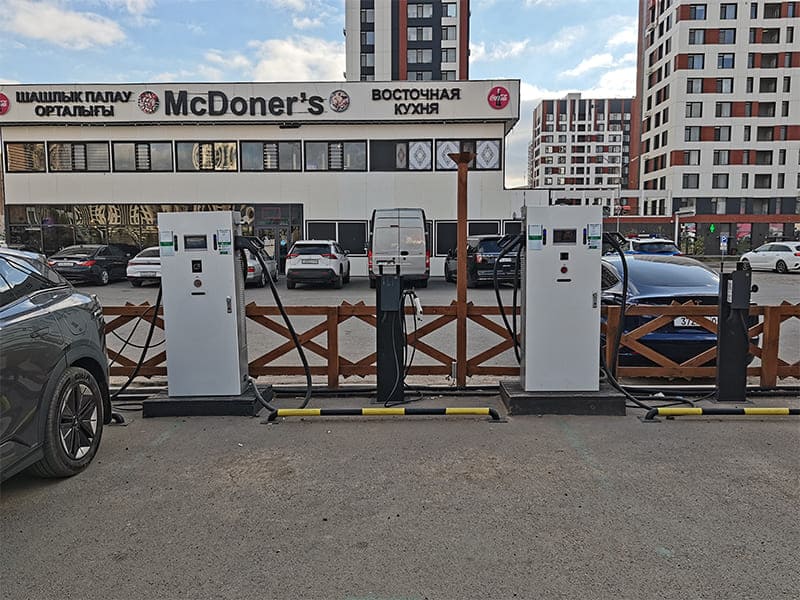
Site selection matters greatly. Place chargers near store entrances. Ensure ample lighting for safety. Provide enough space for larger EVs. Also, consider accessibility rules. Wheelchair-friendly bays are mandatory in many regions. Next, choose between AC and DC chargers. AC units cost less and suit overnight stays. DC fast chargers serve quick shopping trips. A typical Electric Vehicle charging station for store has two DC and four AC ports. This mix covers most needs. Meanwhile, set fair pricing policies. Per-kWh fees are transparent. Idle fees prevent misuse. Thus, turnover remains high.
Customer Experience at an EV Charging Station for Store
Ease of use is paramount. Plug-and-charge eliminates friction. Drivers receive real-time updates via apps. They see charging speed and cost. They also get notifications when ready. Furthermore, smart charging allows remote start and stop. Aegen always tests these features personally. I also collect customer feedback monthly. Most users want cleaner cables and more shade. I then act on their suggestions. Consequently, satisfaction scores rise. An EV charger station for store with great UX earns repeat visits. Those visitors become regular customers. EV charging station for expressway: What’s the maximum charging power available now?
Future Trends for the EV Charging Station for Store
Bidirectional charging is coming soon. Vehicles can send power back to the store. This helps during blackouts. It also lowers peak demand charges. Additionally, solar integration cuts operating costs. A roof canopy with Solar EV charging Station Solution. Batteries store excess energy for night use. Therefore, the system becomes nearly self-sufficient. Another trend is automated billing via vehicle identity. ISO 15118 already supports this. No human action needed at all. Finally, load sharing between chargers improves efficiency. When one car leaves, power redirects to another. These innovations will appear within three years.
Conclusion: Act Now on an EV Charging Station for Store
Delaying installation costs market share. Early adopters gain loyal EV-driving customers. Aegen recommends a phased approach. Start with two chargers. Expand as demand grows. Monitor data weekly to adjust pricing. Partner with local EV clubs for promotion. Above all, choose ISO 15118 compliant gear. This ensures plug-and-charge and smart charging. An EV charging station for store is not a trend. It is a core retail utility now. Therefore, take the first step today. Your future customers are already waiting.