
A profitable roadside EV charging station depends on one critical factor. That factor is driver wait time. Many operators install chargers without considering how long people park. This mistake leads to low usage and poor returns. However, smart investors now match hardware to stopping duration.
The Science of Site Selection
Location decisions determine success or failure. Consequently, operators must analyze traffic patterns first. A roadside EV charging station near a highway serves different needs than one in a city. Therefore, charger selection must align with typical stop durations.
Research confirms that strategic placement boosts profitability. Specifically, placing fast EV chargers where drivers stop briefly works best. Conversely, slower chargers suit locations with longer dwell times.
Matching Charger Types to Wait Times
Different situations require different equipment. For instance, a 20kw-40kw roadside EV charging station works well at hotels or offices. Drivers park for hours there. Meanwhile, 60kw-120kw units suit supermarkets and shopping centers. Shoppers typically stay 30-60 minutes.
Additionally, 120kw-240kw chargers excel at busy highway stops. Drivers want quick top-ups during short breaks. Furthermore, 60kw-320kw models offer flexibility for mixed-use locations. These accommodate various vehicle types and battery sizes.
Some locations need even faster options. Consequently, 480kw, 720kw, and 960kw split-type charging stations serve major transport hubs. These minimize wait times for commercial fleets and busy travelers.
Understanding Driver Behavior Patterns
Wait time directly impacts revenue potential. A study shows highway stops generate significant ancillary income. Drivers spend about 26 minutes charging at convenience stores . During this time, they buy food and drinks.
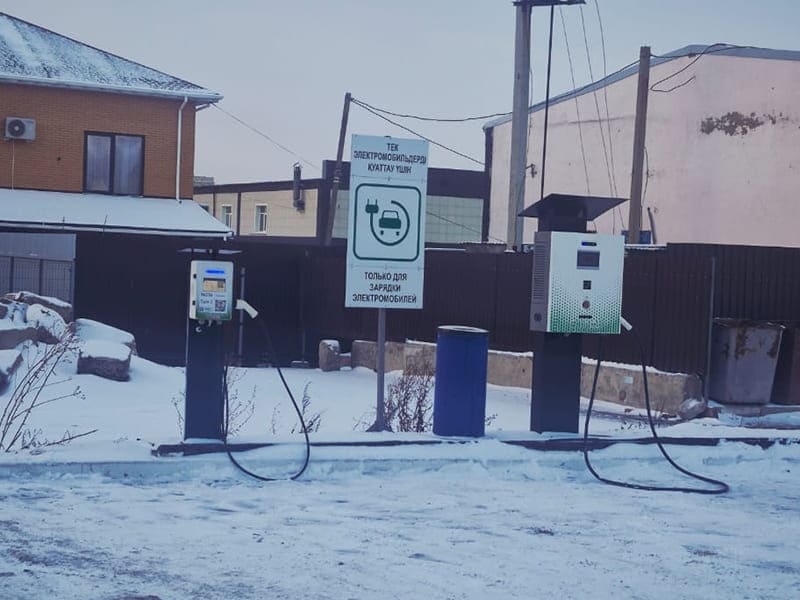
Similarly, another analysis found highway food stops earn extra revenue per session . This proves that dwell time creates business opportunities. Thus, a well-placed roadside EV charging station becomes a profit center, not just an utility expense.
Hardware Flexibility Matters
Modern chargers must serve diverse vehicles. Therefore, units feature multiple plug types. These include CCS2, CCS1, GB/T, CHAdeMO, and NACS. Consequently, any EV can use the facility.
Moreover, chargers come with dual, triple, or quad connectors. This design allows simultaneous vehicle charging. As a result, a single roadside EV charging station can serve more customers during peak hours.
Prime Locations for Maximum Profit
High-traffic retail areas offer excellent opportunities. Large supermarkets, shopping malls, and home centers attract daily visitors. Similarly, transportation hubs like airports and train stations generate steady demand.
Urban parking facilities also need charging infrastructure. Additionally, office complexes and government buildings suit workplace charging. Hotels and residential areas provide overnight parking options.
Fleet locations represent another growing segment. Logistics centers, taxi stands, and bus depots require dedicated equipment. Furthermore, entertainment venues like restaurants and cinemas benefit from charging amenities.
The Aegen Advantage
Aegen manufactures complete charging solutions for global markets. The company sells entire units and component parts. Importantly, they provide free technical support to all customers. Additionally, Aegen offers customization services for specific requirements.
Their products operate successfully across diverse regions. These include Central Asia, the Middle East, Europe, and South America. Moreover, Aegen produces EV charger testers for installers and assemblers. This comprehensive approach ensures quality throughout the supply chain.
Partnerships strengthen their market presence. Aegen collaborates with charger distributors and installation companies. They also work with charging station assembly firms. Consequently, their technology reaches more drivers worldwide.
Future-Proofing Your Investment
Technology continues evolving rapidly. Therefore, choosing adaptable equipment matters. A modern roadside EV charging station should support multiple connector standards. It must also handle varying power requirements.
Market projections show strong growth ahead. The global charging market expands as EV adoption increases . Early movers secure prime locations before competition intensifies.
Operators should consider scalability from the start. Sites designed for expansion accommodate future demand. Likewise, load management systems optimize existing grid connections. These features reduce upgrade costs later. Missed The Gas Station Boom? Is The workplace EV charging station The Next Gold Rush?
Making the Right Choice
Successful charging businesses understand their customers. They analyze stopping patterns before selecting equipment. For example, a roadside EV charging station near restaurants needs moderate speed. Drivers stay 30-45 minutes for meals.
In contrast, locations near restrooms or coffee shops need faster charging. Visitors typically stop for 15-20 minutes only. Matching speed to dwell time maximizes customer satisfaction. It also increases station turnover and revenue.
Conclusion
The secret to profitability lies in matching location with wait time. Operators must resist one-size-fits-all approaches. Instead, they should match hardware to actual driver behavior. Furthermore, partnerships with experienced manufacturers ensure reliability.
Aegen provides the technology needed for success. Their diverse product range suits any application. From urban curbside units to highway charging hubs, they deliver solutions. With proper planning and quality equipment, your charging investment will deliver strong returns.