
Installing an EV charging station in NZ requires more than just buying hardware. It demands a vision for the future. Many investors focus only on immediate costs. However, long-term profit relies on strategic location planning across multiple years. The New Zealand market is evolving rapidly. Consequently, a static approach to site selection will fail. Smart investors must think ahead to capture growing demand.
The Research Behind Multi-Year Planning
Academic studies confirm this necessity. Researchers have developed models for optimal EV charging station placement. They applied these models specifically to New Zealand . The findings are crucial for any investor. Therefore, planning must occur over multiple years. Initial installations significantly affect later costs and expansions. A multi-period approach ensures minimal long-term expenses.
Moreover, these studies indicate that profitable stations are located strategically. They sit along highly trafficked corridors. They are also positioned in densely populated regions . As a result, selecting a site with future traffic growth in mind is essential. This foresight maximizes coverage of inter-regional routes.
Aligning with National Growth Targets
Government targets provide a clear roadmap. New Zealand aims for 10,000 public EV charging stations by 2030. Consequently, the infrastructure landscape will transform. The government is offering concessionary loans to accelerate this rollout. This creates a massive opportunity for private operators.
However, simply installing a charger anywhere is not enough. Your EV charging station in NZ must be part of this coordinated expansion. Therefore, aligning your multi-year plan with national corridors ensures high utilization. It positions your business ahead of the commercial curve.
Future-Proofing Through Site Evaluation
Selecting a site today requires evaluating its future potential. For instance, consider the available power supply. Will it handle future upgrades? Experts recommend engaging with local lines companies early. This helps identify upgrade costs and network capacity.
Additionally, the site layout must accommodate future expansion. Thus, you should plan for more chargers later. The physical space should allow for this growth. This foresight prevents costly retrofits when demand surges. Remember, as EV adoption grows, your site must scale accordingly.
Matching Technology to Long-Term Demand
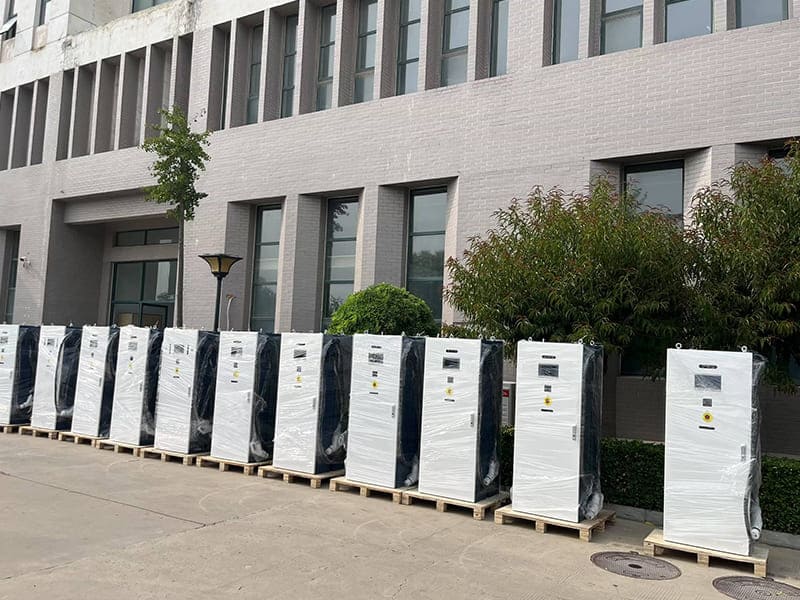
Your choice of hardware dictates future profitability. For example, Aegen offers a range of solutions for different timelines. Commercial DC fast EV charging stations suit high-traffic areas now. These include 60kW-120kW and 120kW-240kW models for retail centers. They also offer 60kW-320kW units for transport hubs. For highways, split-type charging stations (480kw/720kw/960KW) are ideal for future demand.
Conversely, for locations where users park long-term, AC chargers are perfect. Aegen provides 7kW/11kW/22kW units for residential and office use. Thus, matching the charger type to the site’s projected user behavior is key. Your EV charging station in NZ must serve today’s cars and tomorrow’s fleets.
Understanding New Zealand’s Charging Landscape
The current network is expanding fast. In 2026, drivers enjoy more fast chargers on state highways . High-power DC chargers (120kW–320kW) are becoming common for ultra-quick top-ups. Furthermore, chargers are appearing at supermarkets, malls, and tourism hotspots. This trend will only accelerate. How to Pick an EV Charging Station in UK Hotspots to Maximize Revenue and Dwell-Time Spend?
Your multi-year plan should leverage these patterns. Therefore, consider sites near existing amenities like cafes or restrooms. This encourages longer dwell times and higher usage. A visible, safe, and well-lit station also attracts more users.
Practical Steps for Implementation
Begin with a thorough site evaluation. Assess the electrical infrastructure’s capacity. Discuss metering and connection costs with your retailer. Next, secure the necessary permits from local authorities. Engage with them early to understand consent requirements.
Then, select a reliable partner. Aegen manufactures complete charging stations and components. They offer free technical support and customization. Their products are already used across Europe, South America, and the Middle East. Furthermore, they supply EV charging testers to installers. This ensures your installation is safe and compliant.
The Bottom Line on Profitability
Ultimately, a multi-year approach mitigates risk. It ensures your investment remains relevant. In conclusion, a well-placed EV charging station in NZ will capture growing market share. It will serve not just current EV owners, but also the coming wave of commercial fleets and logistics providers.
By planning across multiple years, you optimize capital expenditure. You avoid the high costs of relocating underperforming units. Instead, you build a sustainable, profitable asset. Partnering with experienced manufacturers like Aegen guarantees you have the right technology for each phase of your plan. Their global experience and comprehensive product range make them an ideal partner for your New Zealand venture.