
The selection of an EV charging station in UK hotspots is now a critical business decision. Landlords and retailers are discovering that charging infrastructure directly impacts their bottom line. Strategic placement and the right technology can transform a simple pitstop into a profitable destination. This article explores how to choose the perfect unit for your venue to boost customer dwell time and revenue.
Understanding the Link Between Charging and Spending
Data reveals a powerful connection between charging and consumer habits. Research indicates that sites with EV infrastructure can see a 50% increase in customer dwell time . Consequently, longer stays often translate directly into higher in-store spending. For example, a driver plugging in for a 45-minute session has time for a coffee and a meal. Therefore, choosing the correct EV charging station in UK retail parks is about capturing that extra revenue.
The Sweet Spot of Charging Speed
However, bigger and faster is not always better for your business model. While ultra-rapid chargers are essential for motorways, they encourage a quick grab-and-go mentality. In contrast, destination locations thrive when drivers linger. Industry experts suggest that fast EV chargers (20kW to 320kW) offer the ideal balance . They provide a meaningful top-up while guaranteeing the customer stays for an hour or more. This makes a 22kW AC unit the perfect EV charging station in UK shopping centers and leisure facilities.
Matching Hardware to Your Location
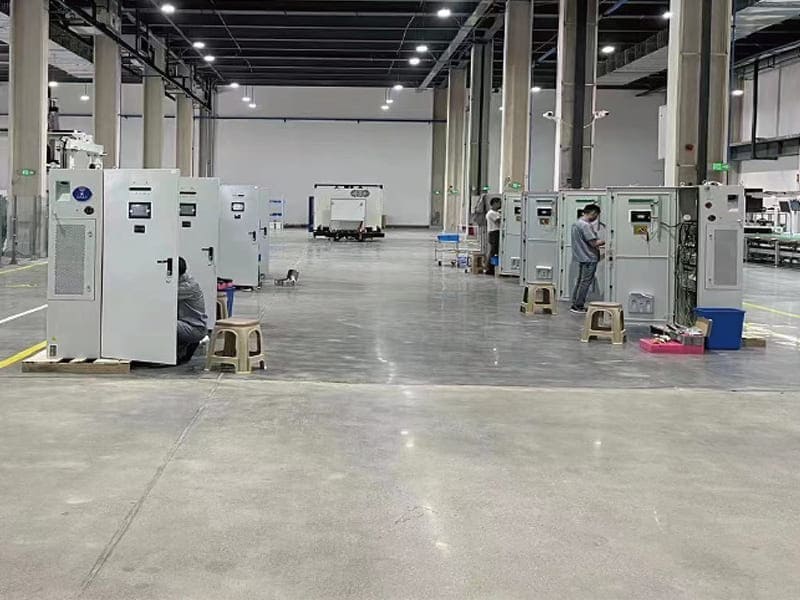
Selecting the right equipment depends entirely on your typical visitor’s dwell time. For offices and hotels where cars park for hours, 7kW to 22kW AC EV chargers are most effective . Conversely, supermarkets and busy retail parks might benefit from a mix. A combination of fast AC units for longer shopping trips and one or two rapid DC units for quick top-ups is ideal. A reliable manufacturer like Aegen provides various solutions, from 20kW DC fast chargers for smaller venues to 60kW-320kW units for high-traffic areas, ensuring compatibility with CCS2 and other plug types.
Planning for High-Traffic Zones
High-footfall areas demand robust and scalable infrastructure. Airports, major service stations, and large multiplex cinemas are prime examples of hotspots. These locations require durable, high-performance hardware capable of handling constant use. For such demanding environments, opting for a split-type Electric Vehicle charging station in UK transport hubs with power from 60kW to 960kW ensures future-proofing. This approach accommodates the growing number of EVs and minimizes waiting times for users.
The Revenue Models: Rent vs. Revenue Share
Once you have selected the hardware, the next step is deciding how to profit. Site owners typically have two main options for their EV charging station in UK properties. The first is a fixed rent model, where the charge point operator pays a guaranteed annual fee. The second is a revenue share model, where the host receives a percentage of the charging income . Working with established partners who understand these financial models is key to maximizing your asset’s potential.
Leveraging Expertise and Funding
Navigating the installation process can be complex, but expert help is available. Companies like Aegen not only manufacture the hardware but also provide free technical support and customized solutions. They work closely with installers and assembly companies across Europe, the Middle East, and the Americas. Additionally, UK businesses should explore the Workplace Charging Scheme, which can cover up to 75% of installation costs . This grant significantly improves the return on investment for any new EV charging station in UK workplace or commercial site.
Optimizing the Customer Experience
The physical setup of your charging bays matters as much as the charger itself. Poorly placed chargers or dimly lit areas can deter users. Modern units, such as those offered by Aegen, can include features like ambient lighting for safety and aesthetics. Furthermore, offering multiple connector types (CCS, CHAdeMO, NACS) ensures that no driver is turned away. A welcoming, well-lit charging hub encourages repeat visits and builds customer loyalty.
The Role of AC Destination Chargers
For locations focused on overnight or full-day parking, AC technology remains the workhorse. Residential complexes, business parks, and long-stay airport parking are perfect for 7kW to 22kW AC chargers. These EV charging station in UK residential areas provide a essential service for residents without driveways. They offer a cost-effective solution for landlords to meet tenant demand while generating a steady, long-term income stream from a captive audience. Beyond the Charge: How Tourist Attractions EV Charging Station Can Fund Itself Through Retail & Experiences.
Future-Proofing Your Investment
The EV market is evolving rapidly, with battery sizes and charging speeds constantly increasing. When investing, consider scalability. Choosing a manufacturer like Aegen, which produces everything from compact 20kW units to massive 960kW split systems, allows for site expansion. Furthermore, investing in a EV charging station in UK hotspots today positions your property as a modern, sustainable destination, attracting eco-conscious consumers and boosting property values for years to come .
In conclusion, picking the right charger is a strategic blend of location analysis, dwell-time study, and hardware selection. By focusing on the needs of the driver and matching them with the right technology from experienced manufacturers, UK businesses can turn parking spaces into powerful profit centers.